by Tips to Fishing Editorial Team | Aug 6, 2026 | Fishing Tips
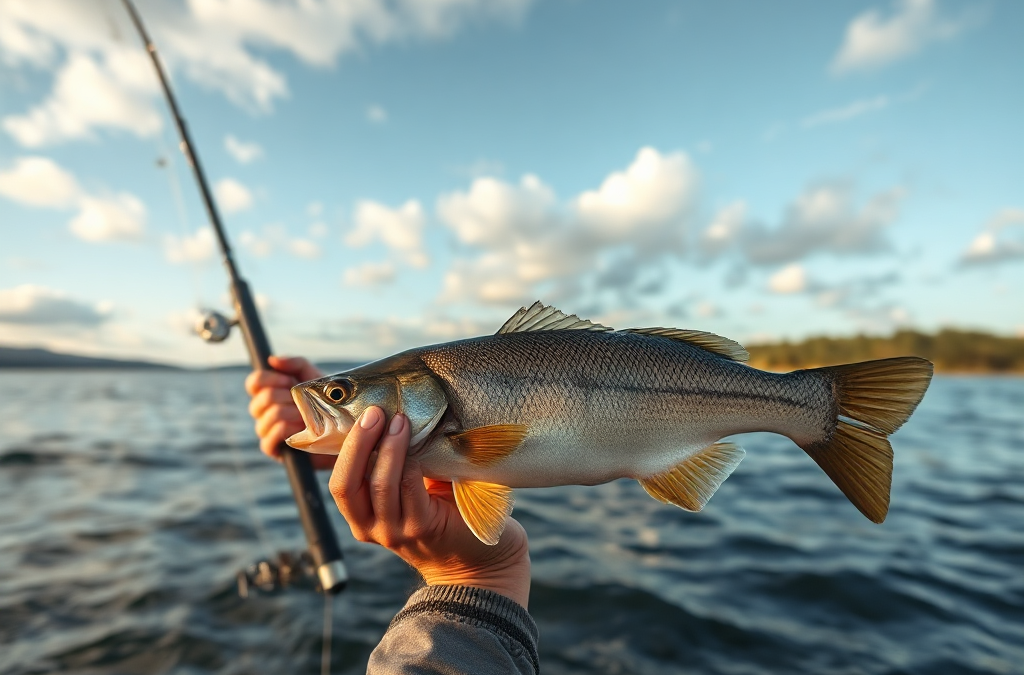
Identify the best times to fish by combining dawn or dusk activity with weather changes, water temperature, wind, cloud cover, tide movement, and the target species’ feeding behavior. Begin by checking the forecast and local tide or water-level data, then choose a two-hour window when conditions are changing rather than perfectly stable.
by Tips to Fishing Editorial Team | Aug 5, 2026 | Fishing Tips
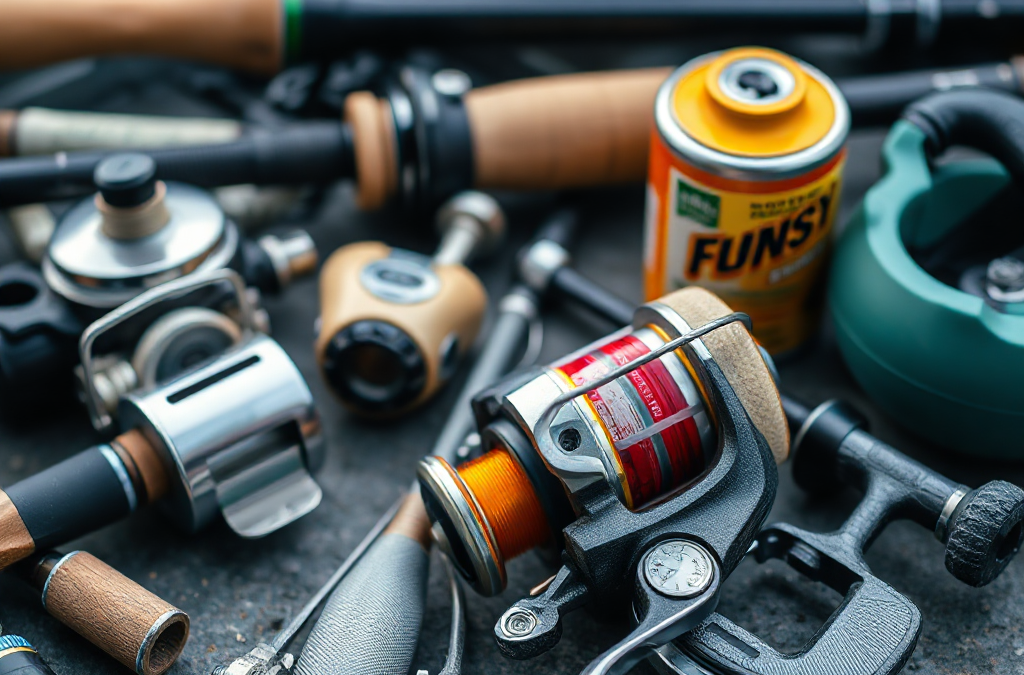
Maintain fishing equipment for longevity by rinsing salt, dirt, and bait residue away after each outing, drying every component fully, lubricating moving parts with the correct product, and storing gear under low-stress conditions. Inspect rod guides, reel drag systems, line, hooks, pliers, and tackle-box hardware before the next trip because…
by Tips to Fishing Editorial Team | Aug 5, 2026 | Fishing Tips
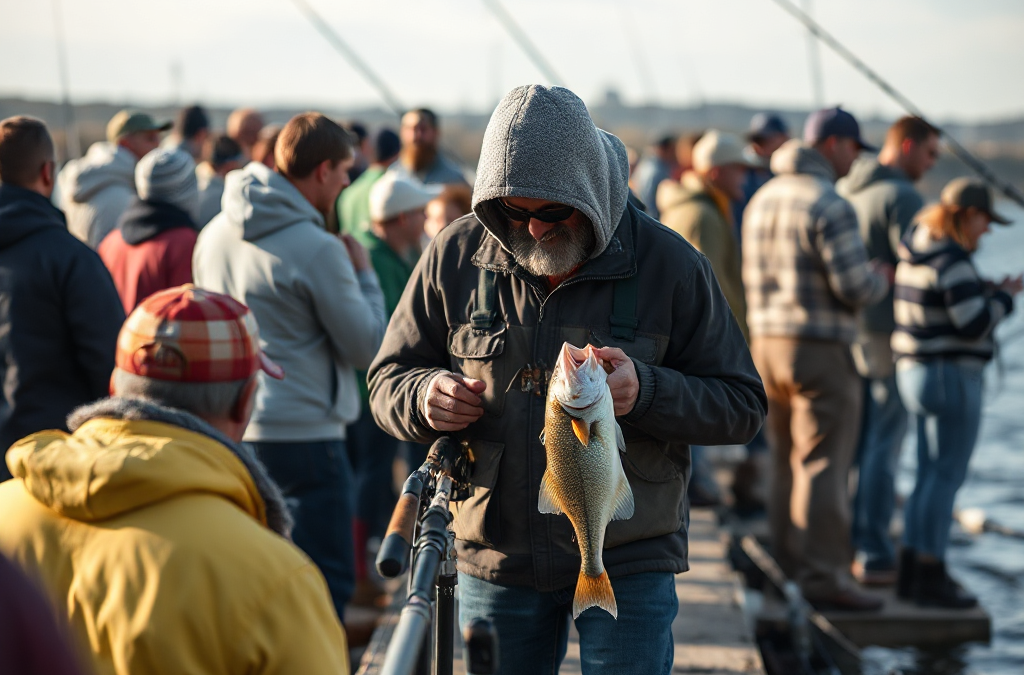
If your fishing spot is too crowded, protect your time and safety by checking whether another angler is already working the area, moving to a nearby secondary location, or returning during a quieter tide, weather window, or time of day.
by Tips to Fishing Editorial Team | Aug 5, 2026 | Fishing Tips
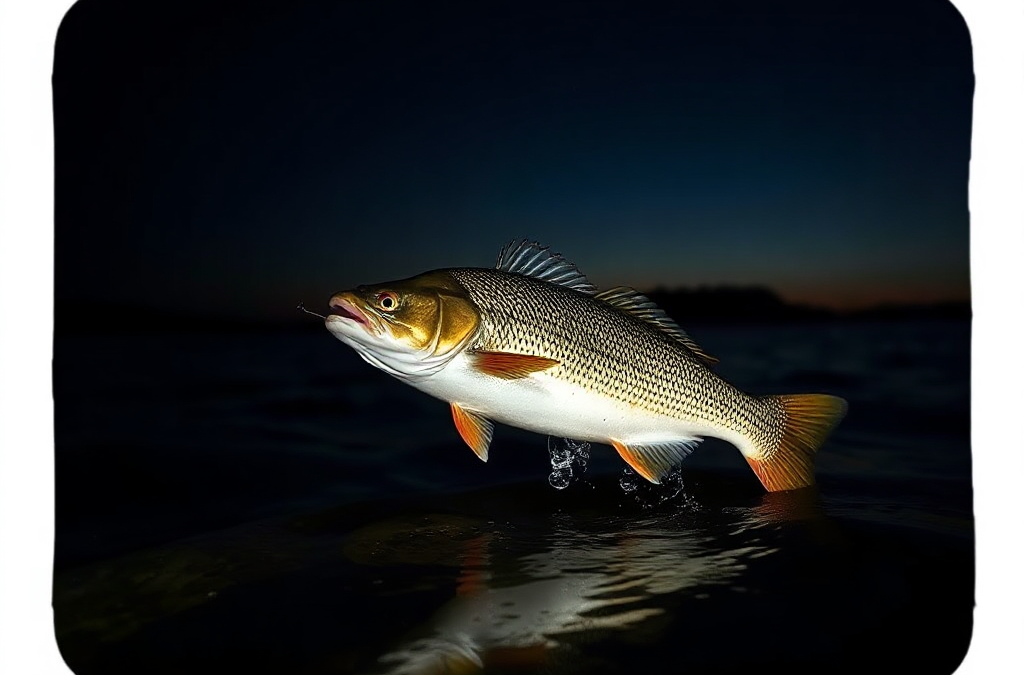
Fish effectively at night by choosing a familiar area, matching bait or lures to the target species, and working shallow structure during the periods when fish are actively feeding. Start near weed edges, docks, drop-offs, or inflowing water, then retrieve slowly enough for fish to track the presentation.
by Tips to Fishing Editorial Team | Aug 4, 2026 | Fishing Tips
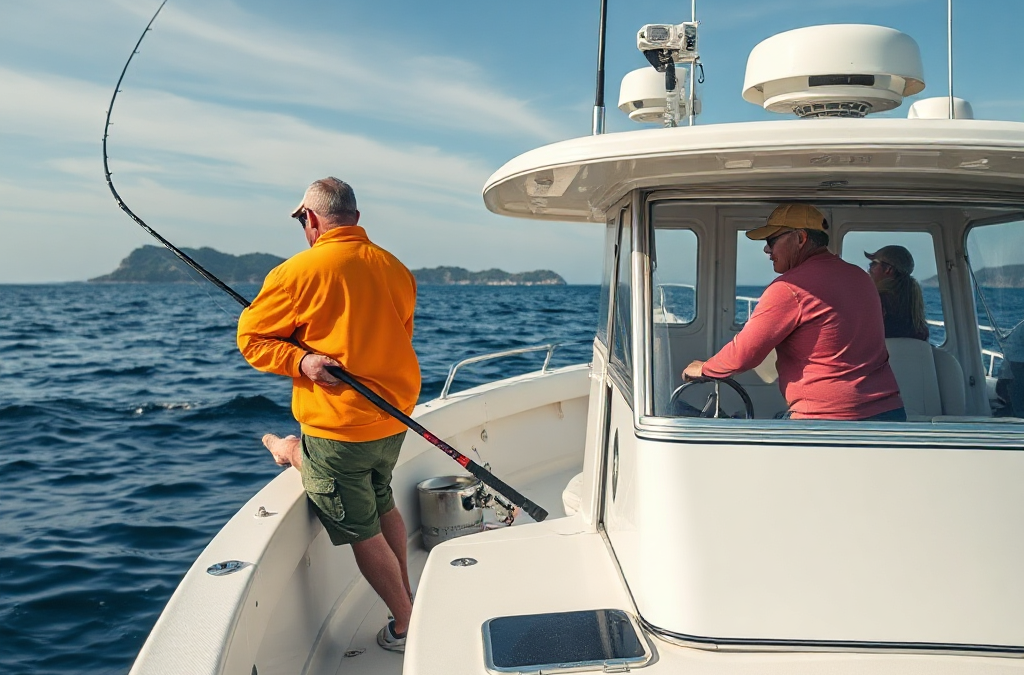
When choosing a fishing charter, compare the captain’s experience, target species, trip format, boat condition, safety practices, total price, cancellation terms, and what the fee includes. A low headline rate may exclude licenses, bait, fuel, or fish cleaning, while a longer trip is not automatically better if travel time reduces fishing time.
by Tips to Fishing Editorial Team | Aug 4, 2026 | Fishing Tips
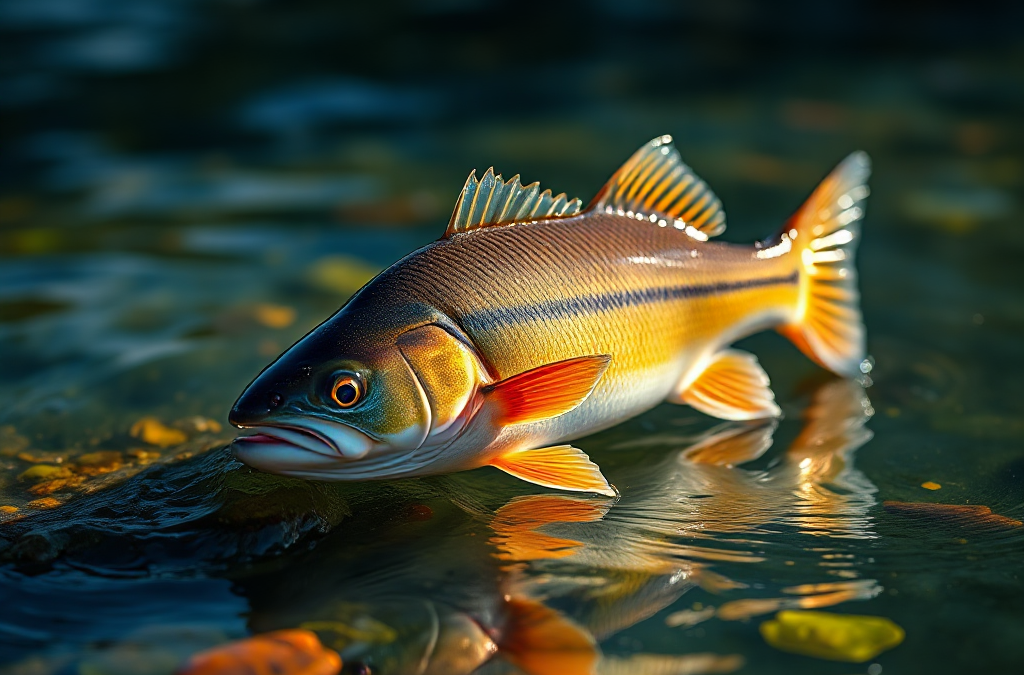
How to fish effectively when the water is warm comes down to targeting cooler, oxygenated water during low-light periods, slowing your presentation, and matching lures to the fish’s available food. Begin near deep edges, shaded cover, inflowing streams, or current where water temperature and oxygen conditions may be more favorable.


