
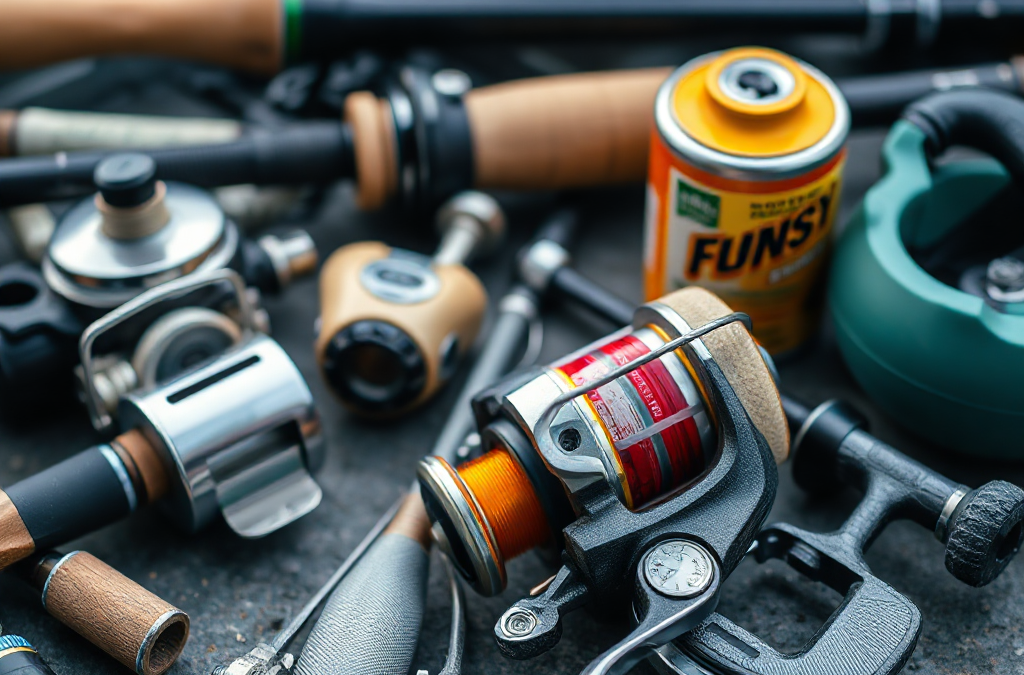
Maintain fishing equipment for longevity by rinsing salt, dirt, and bait residue away after each outing, drying every component fully, lubricating moving parts with the correct product, and storing gear under low-stress conditions. Inspect rod guides, reel drag systems, line, hooks, pliers, and tackle-box hardware before the next trip because small corrosion spots and worn connections can become expensive failures. Freshwater gear still needs cleaning, while saltwater equipment needs immediate freshwater rinsing and more frequent inspection. Replace damaged line and rusty terminal tackle instead of trying to extend their use, and follow the manufacturer’s instructions when servicing sealed reels or specialized equipment.
Clean and Dry Gear After Every Trip
Cleaning immediately after fishing is the most effective way to slow corrosion, grit buildup, odor, and material deterioration. Salt crystals are especially destructive because they remain active after water evaporates, while sand and silt can work into reel bearings, drag washers, zipper tracks, and plier joints. Even freshwater outings leave behind algae, sunscreen, bait oils, and mud that can harden on equipment.

For most gear, use a gentle stream of clean water rather than a high-pressure spray. Strong pressure can drive salt and grit deeper into reel housings or force moisture past seals. Wipe rods, handles, landing nets, and tool surfaces with a soft cloth, then place them where air can circulate. A reel should be dried with the spool and handle positioned so water can drain rather than remain trapped around the line roller or frame.
Saltwater anglers should rinse reels, rods, hooks, and tools after every outing, even when the equipment appears clean. A freshwater angler may not need the same intensity after a short, dry session, but visible mud or plant material still deserves immediate removal. Do not put wet gear directly into a closed tackle bag or vehicle compartment; trapped humidity prolongs contact with metal and encourages mildew on soft cases.
A common mistake is treating “dry to the touch” as fully dry. Water can remain inside reel handles, rod-butt cavities, plier pivots, and lure-box corners. Open removable covers, shake out standing water, and leave equipment in a ventilated area before packing it away. If a reel begins feeling rough after cleaning, stop adding force and inspect it rather than assuming more rinsing will solve the problem.
Protect Reels, Rods, and Fishing Line
Reels last longer when cleaning, lubrication, and inspection are matched to their construction. Spinning reels commonly collect debris around the line roller and bail hinge; baitcasting reels can accumulate grit around the spool and levelwind; fly reels may suffer when sand enters the arbor or drag area. Remove surface dirt first, then apply only the lubricant specified or permitted by the manufacturer. Excess oil attracts dust and can migrate onto drag surfaces, where it may change braking behavior.
Basic external care is appropriate after routine trips, but internal reel servicing deserves more caution. A sealed or complex drag system is not a good candidate for casual disassembly on a boat deck. If the handle develops grinding resistance, the drag becomes inconsistent, or the spool does not rotate freely after external cleaning, consult the reel manual or a qualified service technician. A cheaper reel may justify simple user maintenance, while a high-value reel may benefit from professional annual service.
Inspect rods from butt to tip. Look for loose reel-seat hardware, cracked grips, damaged ferrules on multi-piece rods, and chipped or grooved guides. Run a small piece of cotton through each guide; snagging can indicate a damaged insert that may cut line. A minor guide defect can become costly when it weakens line during a cast or fight, so replacement is usually wiser than continued use.
Fishing line also needs periodic judgment. Monofilament and fluorocarbon can develop memory, abrasion, and weakened sections; braided line can fray where it repeatedly contacts vegetation, rocks, or rod hardware. Strip away visibly damaged leader material and retie terminal connections. Do not assume a line is sound because it still casts. Store spare spools away from heat and direct sunlight, and replace line when its condition no longer matches the demands of the next trip. More detail on how to maintain your fishing equipment for longevity starts with recognizing that consumable parts have a shorter service life than the equipment holding them.
Inspect Terminal Tackle and Accessories
Hooks, swivels, snaps, split rings, weights, pliers, scissors, and landing tools often receive less attention than rods and reels, yet they directly affect whether a setup works. Rust on a hook point reduces penetration, while corrosion in a snap or split ring can create a failure under load. Examine terminal tackle under good light and separate questionable pieces before they contaminate a clean box.
Use a hook file only when the point is slightly dulled and the metal remains sound. A deeply rusted, bent, or heavily worn hook should be replaced. Sharpening cannot restore the original strength of corroded metal. Similarly, do not trust a snap simply because it closes; distorted wire, a weak clasp, or a corroded connection can open during a cast or fish fight.
Soft plastics and natural-bait residue can damage organization as well as cleanliness. Some soft-plastic materials react with certain storage boxes, causing melting, staining, or warped compartments. Keep incompatible lures in their original packaging when the manufacturer recommends it, and remove wet bait remnants before storing hard baits. Hooks left pressed against wet lure bodies can rust faster than hooks exposed to dry air.
Tools benefit from a separate maintenance habit. Rinse pliers and cutters, dry their pivots, and apply a small amount of suitable corrosion-protection lubricant where the product instructions allow it. Keep cutting edges protected so they do not strike other tools. A frequent failure mode is leaving saltwater tools in a damp side pocket because they are “just accessories.” They are often the first items to seize, stain, or lose cutting performance.
Before fishing, perform a quick priority check: connection points first, cutting tools second, and cosmetic concerns last. A scratched lure may still fish effectively; a compromised hook, snap, or leader should not be given the same benefit of the doubt.
Store Equipment Without Creating New Damage
Storage should reduce pressure, heat, moisture, and tangling rather than merely hide equipment from view. Store rods vertically or horizontally with enough support to prevent long-term bending, and keep them separated so guides do not strike one another. Multi-piece rods should be dry before being placed in a sleeve, and fabric cases should be aired out regularly.
Reels are best stored with the drag loosened when the manufacturer permits it, particularly if the drag has been tightened during fishing. Leaving pressure on the system for long periods may compress drag components unnecessarily. Remove lures from rods before storage, secure loose hooks, and avoid hanging a rod by a fragile tip section. A rod rack is useful, but a rack exposed to condensation or direct heat can create more problems than a simple dry closet.
Tackle boxes should be organized around moisture control. Let wet lures drain and dry before closing the box, use vented compartments where appropriate, and keep rust-prone terminal tackle away from damp soft goods. Silica-gel packets may help in a closed container, but they are not a substitute for drying gear. Never rely on a sealed box to make wet equipment safe; it simply traps the conditions that cause corrosion.
Heat and sunlight deserve special attention. Prolonged exposure can age plastics, fade line, dry grips, and degrade some adhesives. A hot vehicle is convenient for short periods but poor as permanent storage. Compare a compact, tightly packed bag with a larger organized system: the compact bag saves space but encourages wet gear to remain stacked, while the larger system improves airflow and access at the cost of storage room. Choose the arrangement that makes post-trip drying realistic.

Build a Maintenance Schedule That Fits Your Use
A workable schedule separates after-trip care from periodic inspection. After each outing, remove debris, rinse salt-exposed equipment, dry everything, and check obvious damage. Every few trips, examine line-contact surfaces, hooks, snaps, guides, tool pivots, and tackle-box compartments. At the start or end of a fishing season, inspect reel operation, replace suspect line, clean storage containers, and review any equipment that felt different in use.
Frequency should follow exposure rather than the calendar alone. A charter angler fishing saltwater several times a week needs more frequent reel attention than someone making occasional freshwater casts. Heavy surf, muddy banks, rain, and sandy launches increase the need for cleaning even when the trip is short. A rarely used reel can still deteriorate if stored damp, so “infrequent use” does not eliminate inspection.
Keep a small maintenance kit with a soft brush, microfiber cloths, fresh water, cotton swabs, manufacturer-approved lubricant, spare leader material, hook files, and corrosion-resistant storage supplies. Avoid household solvents, aggressive degreasers, and random oils unless the equipment maker specifically allows them. The wrong chemical can damage finishes, plastics, grease, or drag materials while appearing to clean effectively.
Watch for signs that a routine is working: reels remain smooth, line passes cleanly through guides, tools open without stiffness, and terminal tackle stays bright and dry. Signs of failure include recurring rust, a gritty handle, sticky drag movement, mildew odor, cracked line, or tackle that emerges from storage damp. When those symptoms appear, increase drying and inspection first; if function remains abnormal, repair or replacement is safer than forcing the gear through another trip.
Use how to maintain your fishing equipment for longevity as a repeatable checklist, not a one-time deep-cleaning project. Preventive care is usually less disruptive than discovering a seized reel or weakened connection at the water.
For model-specific cleaning points, lubrication limits, and disassembly instructions, consult the official owner’s manual for each reel, rod system, or electronic accessory. Manufacturer documentation is more reliable than a universal maintenance rule because drag materials, seals, finishes, and lubricants vary between products. Recognized fishing-equipment organizations and established tackle publications can provide additional context, but product-specific instructions should take priority.
Frequently Asked Questions
Should fishing gear be rinsed after freshwater trips?
Yes, especially when equipment has contacted mud, algae, bait, or sandy water. A light rinse and complete drying remove residue that can harden or cause abrasion.
Can a fishing reel be sprayed with a high-pressure hose?
Avoid high pressure because it may force grit and water past seals. Use a gentle freshwater flow, wipe the exterior, dry it thoroughly, and follow the reel manual.
How often should fishing line be replaced?
Replace it when you find abrasion, fraying, severe memory, discoloration, or unreliable knots. Frequency depends on use, storage conditions, species, cover, and exposure to sunlight.
Is household oil suitable for fishing reels?
Not necessarily. Household oils may attract grit or affect drag materials. Use only lubricant approved in the manufacturer’s instructions and apply it sparingly.
What is the best way to store wet tackle?
Do not seal it while wet. Remove bait and debris, let lures and boxes drain and air-dry, then store them in a cool location with enough separation to limit trapped moisture.
Further Reading
Authoritative Sources
- Academy of Nutrition and Dietetics
eatright.orgProfessional nutrition guidance, healthy eating resources, and practical dietitian-reviewed advice.
- U.S. Department of Agriculture
usda.govOfficial food, nutrition, agriculture, and consumer guidance from the USDA.
- NIH Office of Dietary Supplements
ods.od.nih.govResearch-based fact sheets on nutrients, supplements, dietary intake, and safety considerations.
- International Society of Sports Nutrition
sportsnutritionsociety.orgEvidence-informed sports nutrition resources and position stands for active people and athletes.
Conclusion
Long equipment life comes from controlling the small sources of damage that accumulate between trips. Rinse salt and residue promptly, dry hidden surfaces rather than only visible ones, and inspect line-contact areas, hooks, snaps, and reel functions before they become urgent problems. Use manufacturer-approved products, keep drag and storage practices appropriate to the equipment, and replace consumable parts when wear creates doubt. Saltwater and sandy conditions demand more frequent attention, while freshwater gear still needs drying and occasional inspection. Set up a short after-trip routine that you will actually complete, then schedule deeper checks around your fishing frequency and environment. That approach protects performance without wasting time on unnecessary disassembly or cosmetic repairs.

