
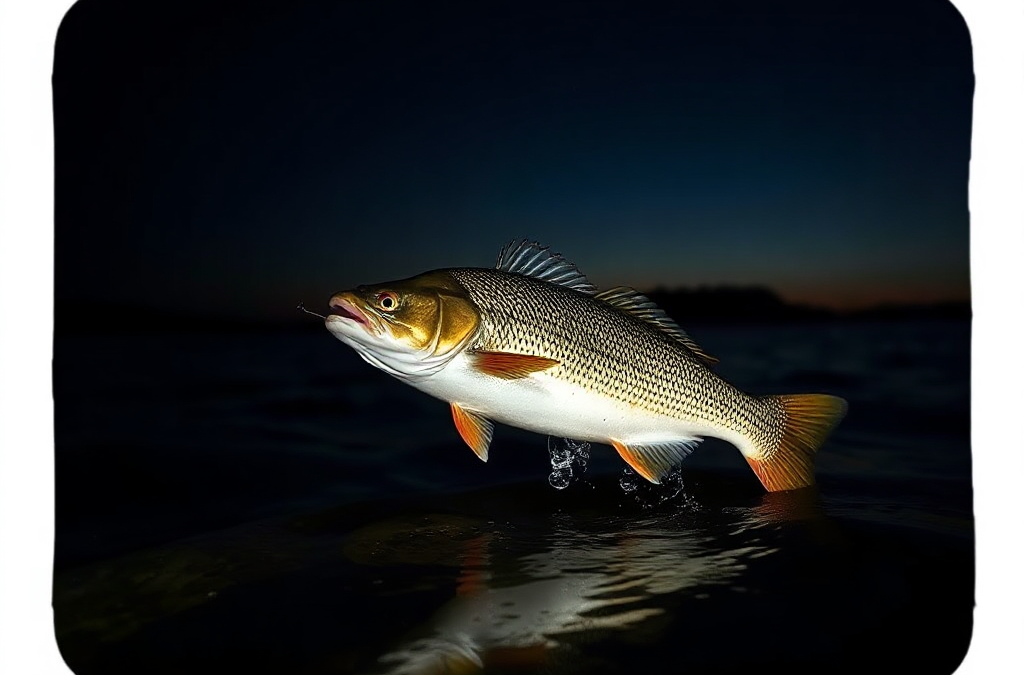
Fish effectively at night by choosing a familiar area, matching bait or lures to the target species, and working shallow structure during the periods when fish are actively feeding. Start near weed edges, docks, drop-offs, or inflowing water, then retrieve slowly enough for fish to track the presentation. Use subdued lighting to preserve night vision, keep hooks and tools organized, and rely on vibration, scent, and shoreline contours when visibility is poor. Check local regulations, wear a properly fitted life jacket from a boat, and avoid changing locations repeatedly before testing depth, speed, and lure profile.
Choose Night Water by Fish Behavior and Structure
Night fishing becomes more productive when the location is selected for fish movement rather than darkness alone. Many species leave deep daytime holding areas to feed along shallow cover, points, weed lines, riprap, docks, and creek mouths. These places concentrate prey and give predators a defined route, which makes them easier to fish than featureless open water. Before sunset, mark promising areas and note the safest approach so you are not searching blindly after dark.

Water temperature, recent weather, and fishing pressure shape the pattern. A warm evening may keep baitfish active near the surface, while a sudden cold front can push fish toward stable depth or tighter cover. Wind can create a productive current along a bank, but excessive chop makes casting, boat control, and hook removal more difficult. A bright moon may help you see shoreline features, yet overcast nights can still produce excellent action when fish are comfortable moving in low light.
Start with one high-percentage area and test several depths before relocating. For example, a bass angler might work the outside edge of a weed bed, then cast parallel to the bank before probing the deeper side. A catfish angler may prioritize a channel edge, outside bend, or current seam instead of a shallow flat. The best location depends on species behavior, but the useful principle is consistent: fish where structure, forage, and a travel route overlap.
A common mistake is assuming that deeper water is automatically safer or more productive at night. Deep water can hold fish, but it may be difficult to cover efficiently and dangerous to reach by boat. Another error is moving after only a few unproductive casts. Change one variable—depth, retrieve speed, bait position, or casting angle—before abandoning an area. A simple how to fish effectively at night plan should give each promising zone enough time to reveal a pattern.
Match Bait, Lures, and Retrieval Speed to Darkness
Night presentations should make it easy for fish to detect the offering without requiring perfect visual conditions. Dark, bulky lures often create a strong silhouette against the surface when viewed from below, while rattles, blade vibration, and displacement can help predators locate a moving bait. The choice is not simply “bright versus dark”; it is a balance between profile, sound, water clarity, forage, and the amount of cover being fished.
Soft plastics, jigs, spinnerbaits, topwater plugs, live bait, and cut bait each solve a different problem. A slow-moving plastic or jig is useful around bottom structure when fish are feeding cautiously. A topwater lure can be effective around shallow cover when baitfish are active, but missed strikes are common if the angler sets the hook before feeling weight. Live bait may produce a natural scent and movement, although it requires careful storage, aeration when applicable, and attention to local bait rules.
Retrieve speed deserves more attention than color. Begin slower than you would in bright conditions and pause near likely ambush points. If the lure produces no contact after several casts, increase speed slightly or add vibration rather than immediately switching to an entirely different category. A slow roll beside a dock may outperform a fast retrieve across open water because the lure stays in the strike zone longer. Conversely, active fish may respond to a moving surface bait that announces its location.
Keep terminal tackle uncomplicated. Strong enough line, a dependable knot, and hooks suited to the target species matter more than carrying a large selection of colors. Fluorocarbon can be useful for abrasion resistance around rock and wood, while braided line offers sensitivity and strength in vegetation; each has handling tradeoffs in darkness. The failure mode to avoid is changing lures constantly without recording what happened. Note the depth, structure, retrieve, and type of contact so the next adjustment is based on evidence rather than guesswork.
For species that rely heavily on scent, bait placement can matter more than visual appearance. Position natural bait where current or wind can carry its scent toward a likely holding area, but avoid placing it so close to heavy cover that hooked fish immediately bury the line. Anglers refining how to fish effectively at night should judge a presentation by how clearly it reaches fish, stays in the feeding lane, and can be detected when the angler cannot see every movement.
Use Light, Tackle, and Boat Position Safely
Night equipment should reduce confusion rather than add complexity. A headlamp with a red-light mode helps preserve night vision for many tasks, while a brighter beam remains useful for landing a fish, checking a hook, or moving through an unfamiliar area. Keep the light off while casting whenever possible; sudden illumination can make it harder to see subtle surface activity and may disturb fish in clear, shallow water. Store spare batteries in a dry container and test every light before leaving shore.
Organization has a direct effect on both safety and fishing time. Place pliers, cutters, landing tools, and a first-aid kit where they can be reached without stepping across loose tackle. Use lures with protected hook points when moving between spots, and secure rods so a sudden bite or boat wake cannot send them overboard. On a boat, wear a properly fitted personal flotation device, follow navigation requirements, and avoid running at speed in water you cannot confidently read after dark.
Position the boat or shoreline angler so casts remain controlled and the fish can be guided away from hazards. Casting upwind may improve lure control but can make line management harder. Holding just outside a weed edge often lets an angler cast along the boundary repeatedly instead of drifting over the fish. On a river, anchor well clear of the strongest current and keep track of changing water levels. A practical safety check includes weather, battery power, communication, footwear, and a clear route back.
One weak assumption is that electronics remove the need for local knowledge. Sonar can show depth and structure, but it does not automatically identify a feeding fish or reveal every submerged hazard. Shoreline landmarks that are obvious in daylight may disappear, so save waypoints before sunset and avoid exploring unknown coves at speed. On foot, tell someone where you will be, carry a charged phone, and treat slippery banks, steep rocks, and isolated areas as serious risks rather than minor inconveniences.
Build a Repeatable Night Fishing Plan
A repeatable plan makes nighttime decisions faster and exposes which conditions actually produce bites. Begin by checking regulations for fishing hours, species limits, bait restrictions, boating requirements, and access rules. Then choose one target species and one primary pattern. Trying to catch bass, catfish, and panfish with unrelated tackle during a short session usually creates poor preparation and scattered effort.
Use the final part of daylight to prepare. Tie leaders, arrange lures by expected depth, charge electronics, fill water bottles, and inspect hooks before the sun disappears. Fish the first location during the transition from daylight to darkness, because that period provides a useful reference for how fish, bait, and surface activity are moving. After full darkness, repeat productive casts before changing locations. The objective is not to cover the entire lake; it is to identify a workable relationship between position and presentation.

A compact decision sequence can keep adjustments logical:
- Check location: Is there structure, forage, current, or a travel edge?
- Check depth: Test shallow water, the edge, and the adjacent deeper zone.
- Check presentation: Alter speed, pause length, vibration, or bait position.
- Check contact: Distinguish a bite from weeds, rock, or bottom before changing tackle.
- Check conditions: Reassess wind, temperature, boat drift, and personal fatigue.
Signs that the approach is working include repeated baitfish activity, short strikes, line movement near structure, or bites occurring at a consistent point in the retrieve. Signs of failure include losing contact with the bottom, drifting out of the productive lane, repeated fouling, or fishing beyond your safe comfort level. If two or three controlled adjustments produce no information, relocate to another known feature rather than forcing the same presentation.
The most overlooked tradeoff is session length. Staying out longer can expose a better feeding window, but fatigue increases the chance of poor knots, missed hazards, and rushed hook handling. A shorter trip with prepared tackle and a clear return time is often more useful than an all-night outing built around improvisation. Record moon conditions, wind direction, water level, lure or bait, depth, and exact bite location afterward. Those notes turn a single night into a pattern you can test later.
Frequently Asked Questions
Is night fishing better than daytime fishing?
Not automatically. Night may improve access to shallow feeding areas and reduce visual pressure, but weather, water temperature, forage, species behavior, and location still determine results.
What lure color works best after dark?
Dark colors often create a useful silhouette, while vibration and sound can matter more than exact color. Match the lure profile and action to the cover, depth, and target species.
Should a headlamp stay on while casting?
Usually keep it off during casts and turn it on for tasks that require visibility. A red mode can reduce glare, but landing fish and navigating safely take priority over preserving darkness.
Where should beginners start at night?
Choose a familiar shoreline or launch area with clear access, shallow structure, and a safe return route. Avoid exploring unknown water by boat after dark until its hazards are known.
How long should I fish one spot?
Give a promising area enough casts to test depth, angle, and retrieve speed. Relocate after controlled adjustments produce no bites or useful clues, rather than changing spots after only a few casts.
Further Reading
Authoritative Sources
- Academy of Nutrition and Dietetics
eatright.orgProfessional nutrition guidance, healthy eating resources, and practical dietitian-reviewed advice.
- U.S. Department of Agriculture
usda.govOfficial food, nutrition, agriculture, and consumer guidance from the USDA.
- NIH Office of Dietary Supplements
ods.od.nih.govResearch-based fact sheets on nutrients, supplements, dietary intake, and safety considerations.
- International Society of Sports Nutrition
sportsnutritionsociety.orgEvidence-informed sports nutrition resources and position stands for active people and athletes.
Conclusion
Successful night fishing comes from reducing uncertainty before darkness arrives. Select familiar structure where fish can travel and feed, prepare tackle that communicates through vibration, scent, or silhouette, and make deliberate changes to depth and retrieve speed. Keep lighting subdued for routine tasks but use full visibility whenever safety requires it. Boat anglers should prioritize flotation, navigation, weather awareness, and a reliable route home; shore anglers need equal attention to footing, access, and communication.
Choose one species and one location pattern for your next trip, prepare during daylight, and record what happens at each depth. The most valuable result may be a repeatable clue rather than a single large catch: a bite beside a weed edge, a response to a slow pause, or activity during a specific weather change. That information makes the following outing more precise and safer.

