
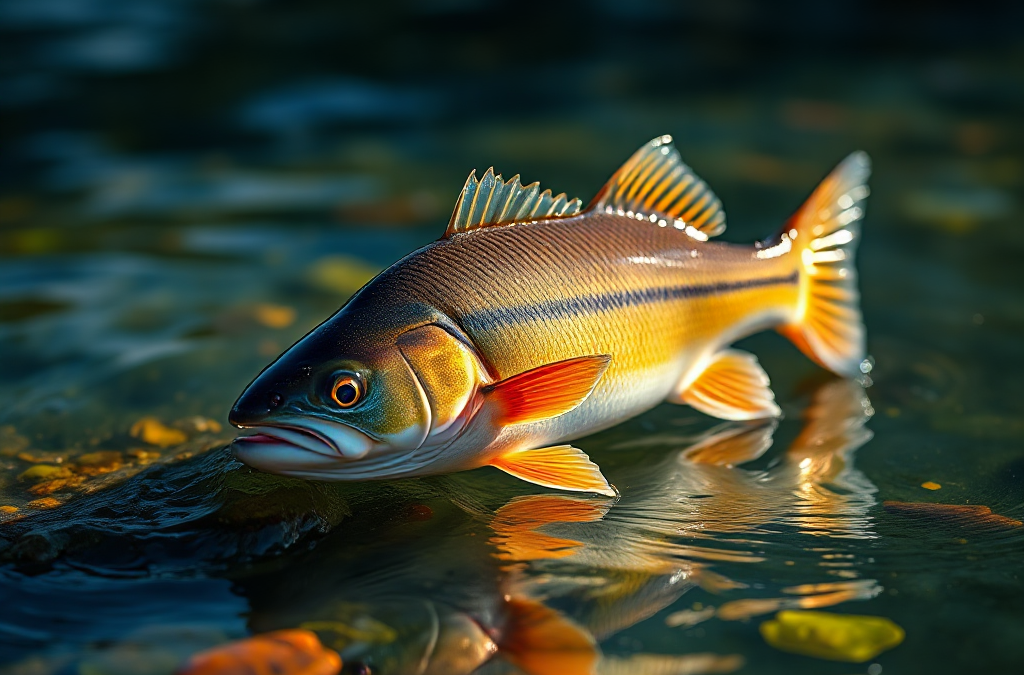
How to fish effectively when the water is warm comes down to targeting cooler, oxygenated water during low-light periods, slowing your presentation, and matching lures to the fish’s available food. Begin near deep edges, shaded cover, inflowing streams, or current where water temperature and oxygen conditions may be more favorable. Fish early, late, or during weather changes rather than forcing a midday bite in exposed shallows. Use smaller or slower-moving offerings when fish are lethargic, but switch to reaction lures around active cover if baitfish are present. Watch for signs of stress, such as fish lingering at the surface or struggling after release, and handle them quickly with wet hands and minimal air exposure.
How Warm Water Changes Fish Location and Behavior
Warm water does not make fish disappear; it changes where they can comfortably spend energy. As water temperature rises, fish may feed in shorter windows, seek shade or depth, and avoid areas with poor oxygen exchange. The exact response varies by species, lake, river, depth, and weather, so a warm afternoon should be treated as a location problem rather than proof that the fish have stopped biting.

Shallow water can still produce fish when it contains shade, vegetation, wind-blown food, or moving water. A shaded dock, submerged grass edge, or creek mouth may be more productive than a featureless deep basin because cover reduces light and gives fish access to prey. Conversely, a shallow flat with no cover may become unproductive once the sun has heated it for several hours. Do not choose depth by temperature alone; look for temperature, oxygen, food, and shelter occurring together.
Fish behavior also changes the speed at which they are willing to chase. A fast retrieve may trigger a bass guarding cover or feeding on fleeing minnows, while the same presentation can pass over a deeper, heat-stressed fish. Trout and other current-oriented species may remain active where cool water enters, whereas still-water species may suspend along a break. The useful comparison is not “fast versus slow” in isolation, but active fish near food versus inactive fish conserving energy.
A common mistake is moving randomly after one unproductive cast. Instead, identify the likely comfort zone and test it systematically. Probe the upper, middle, and lower parts of the water column around one meaningful feature. If fish follow without striking, slow the lure or reduce its size. If there is no sign of life, move to a nearby feature with current, shade, depth, or visible forage. The internal reference how to fish effectively when the water is warm is most useful when applied as a location-and-behavior decision rather than a fixed recipe.
The Best Times and Places to Make a Presentation
Low-light periods are often the most dependable starting point in warm conditions. Dawn gives fish a chance to use shallow cover before sunlight reaches it, while evening can reopen feeding lanes that became quiet during the afternoon. Cloud cover, wind, and incoming weather may extend that activity, but they do not guarantee it. Water movement and available prey still determine whether a particular bank or point deserves time.
Begin by checking structural transitions: a shallow flat beside a drop-off, the outside edge of vegetation, a rocky point leading into deeper water, or a shaded shoreline beside open water. These places let fish move between feeding and refuge without traveling far. In a river, seams where fast and slow current meet can concentrate food. At a warm-water creek mouth, inspect whether the inflow is actually cooler or simply carrying muddy, overheated surface water. The visible stream is a clue, not automatic proof of better fishing.
Midday fishing can work when you abandon exposed water and concentrate on specific relief. Deep weed edges, boat docks, bridge shade, undercut banks, and current breaks may hold fish even when the surrounding water is quiet. A bright, calm day often favors a deeper or tighter presentation; a windy day may push baitfish toward a bank and make a moving lure more useful. Depth finders can reveal suspended fish, but the display does not tell you whether those marks are feeding. Pair electronics with bait activity, current, and repeated contact.
Use a compact search sequence rather than staying too long in one unproductive area:
- Fish the visible cover or current edge with a controlled presentation.
- Change depth before changing several unrelated lures.
- Check the adjacent break or shade line if the first zone produces no signs.
- Return during a lower-light period if the location has food and suitable cover.
The failure mode to avoid is treating the warmest water as the best water because it feels comfortable to the angler. Fish respond to the combination of temperature, oxygen, prey, and security. A slightly cooler pocket with no food may be inferior to warmer water stirred by wind and filled with baitfish.
Lure, Bait, and Retrieval Choices That Fit the Conditions
Lure selection should follow the fish’s activity level and the forage visible in the area. Soft plastics, live bait, jigs, suspending plugs, and topwater lures can all work in warm water, but each solves a different presentation problem. A slow soft plastic is useful when fish are holding close to cover and unwilling to chase. A vibrating lure or shallow-running plug may be better when wind pushes baitfish onto a bank and predators are actively feeding.
Natural bait is not automatically superior. Live bait can keep a slow-moving presentation in the strike zone, yet it may be difficult to control around heavy vegetation, current, or deep cover. Artificial lures allow precise depth and repeated casts, which is valuable when you are testing several locations. Match the offering to the available prey where possible: minnows around schooling baitfish, crawfish-style profiles near rock, and insect imitations around shaded banks or flowing water.
Retrieve speed should be changed in measured steps. Start with a pace that keeps the lure near the target depth, then slow it if fish follow or make short strikes. A pause beside a dock post, grass hole, or current seam often gives a neutral fish time to commit. If baitfish are visibly scattering, increase speed and make the lure look vulnerable rather than dragging it through an area of active feeding.
Line, hook, and terminal tackle also affect warm-water success. Heavy line may be sensible around wood or thick grass, while lighter line can improve movement in clear water but increases the chance of break-offs. Use hooks appropriate to the bait and fish size, and inspect knots after working abrasive cover. Oversized tackle can turn a subtle presentation into an unnatural one; undersized tackle can prolong the fight and create unnecessary stress during release.
A practical comparison helps: choose a slow presentation when fish are deep, shaded, or showing little surface activity; choose a moving presentation when wind, current, or baitfish indicate feeding. Do not change lure color repeatedly while ignoring depth. A lure that is technically attractive but traveling above or below the fish is usually a placement problem, not a color problem. For more context, use how to fish effectively when the water is warm alongside observations from the specific lake or river you are fishing.
A Practical Warm-Water Fishing Plan and Release Routine
A successful warm-water outing benefits from a short plan before the first cast. Check the forecast, wind direction, access to shade, likely current, and whether local rules require special handling or seasonal restrictions. Select one early feeding area, one deeper or shaded fallback, and one moving-water option. This prevents a slow bite from turning into aimless travel and gives each location a fair test.

Fish the first area during the best available light with a search presentation, then follow up with a slower lure around the most promising cover. Pay attention to what actually happens: a missed strike, bait flickering at the surface, a fish following to the boat, or repeated contact with bottom can each guide the next adjustment. If the lure never reaches the suspected fish, change weight, line angle, or retrieve depth before abandoning the area.
Warm conditions also raise the cost of poor handling. Keep the fish in the water while preparing tools, wet your hands before touching it, support its body, and limit photographs to a few seconds. Avoid laying fish on hot boat decks or dry surfaces. If a fish appears exhausted, hold it upright in gentle current or move it slowly through clean water until it can maintain itself. Do not force water through the mouth by rapidly pushing the fish back and forth.
Release stress is a practical constraint, not an afterthought. A long fight on light tackle, repeated rehooking, or extended air exposure may leave a fish less able to recover in warm water. Use tackle strong enough to land the fish promptly, pinch barbs where appropriate, and carry forceps or pliers. If the bite requires repeated handling or fish are visibly struggling, shorten the session or shift to observation and low-impact casting.
The most reliable signs that your approach is working are contact with fish in the predicted zone, forage responding to the lure, and repeated activity around the same type of feature. Signs that it is failing include silent featureless water, poor lure depth, and fish showing no response after several controlled changes. A warm-water strategy should be flexible, but every change should answer a specific observation.
Frequently Asked Questions
Is early morning always the best time to fish warm water?
No. Early morning is a strong starting window, but evening, wind, cloud cover, current, and shade can extend feeding activity. Test the conditions rather than relying on the clock alone.
Should I fish deeper when the water is warm?
Often, but not automatically. Fish may prefer deep edges, yet shallow shade, vegetation, wind, or inflowing water can remain productive when they provide cover, food, and better oxygen conditions.
What retrieve works best in warm water?
Use a controlled retrieve that reaches the target depth. Slow down for inactive fish near cover, then speed up or add pauses when baitfish activity suggests predators are chasing.
Can live bait be used safely in hot weather?
Yes, if it is legal and kept in suitable water with adequate oxygen. Replace overheated or stressed bait, avoid leaving it in direct sun, and handle caught fish quickly.
How should I release a fish caught in warm water?
Wet your hands, keep the fish in the water whenever possible, support its body, and minimize air exposure. Use strong enough tackle to shorten the fight and revive an exhausted fish gently.
Further Reading
Authoritative Sources
- Academy of Nutrition and Dietetics
eatright.orgProfessional nutrition guidance, healthy eating resources, and practical dietitian-reviewed advice.
- U.S. Department of Agriculture
usda.govOfficial food, nutrition, agriculture, and consumer guidance from the USDA.
- NIH Office of Dietary Supplements
ods.od.nih.govResearch-based fact sheets on nutrients, supplements, dietary intake, and safety considerations.
- International Society of Sports Nutrition
sportsnutritionsociety.orgEvidence-informed sports nutrition resources and position stands for active people and athletes.
Conclusion
Warm water rewards precise decisions more than constant lure changes. Begin with low-light periods, moving water, shade, depth transitions, or vegetation edges, then let fish behavior determine whether you slow down or cover water faster. Treat temperature as one part of the picture; forage, oxygen, current, and security often explain why one nearby location produces while another does not. Make adjustments in a logical order—location, depth, speed, and finally lure detail—so each cast teaches you something. Strong tackle and quick handling matter especially during hot conditions because a prolonged fight or extended photo session can increase stress. Keep the next outing simple: select three likely zones, fish each with a deliberate presentation, record what produced, and refine the pattern rather than guessing.

