
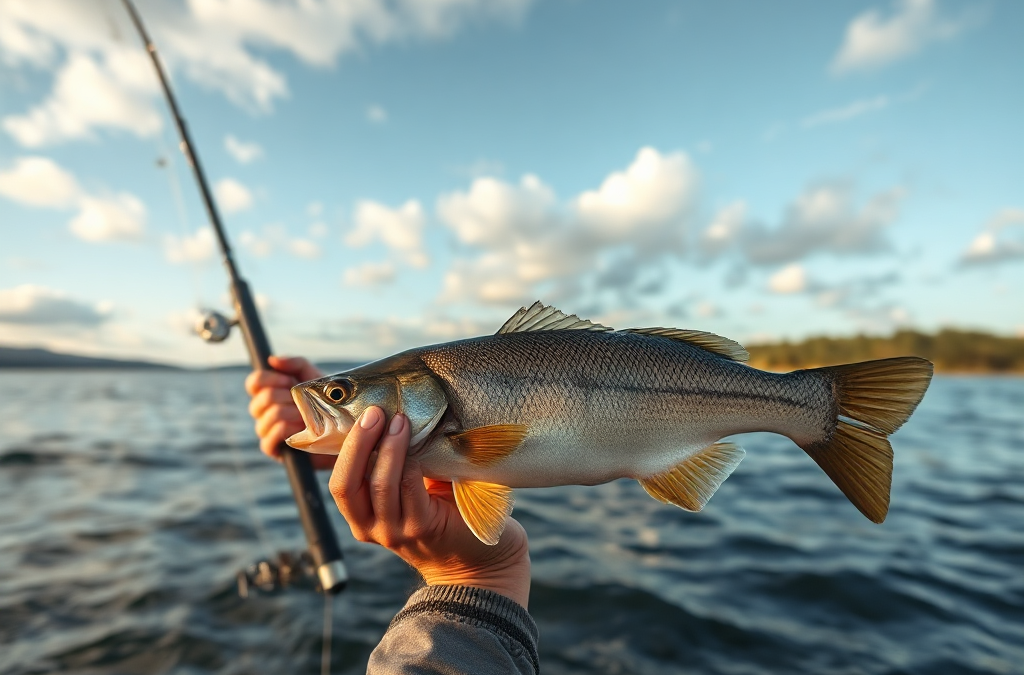
Identify the best times to fish by combining dawn or dusk activity with weather changes, water temperature, wind, cloud cover, tide movement, and the target species’ feeding behavior. Begin by checking the forecast and local tide or water-level data, then choose a two-hour window when conditions are changing rather than perfectly stable. A passing front, light wind pushing food toward shore, or a temperature range favored by the species may matter more than the clock alone. Avoid treating sunrise charts or solunar tables as guarantees; use them to refine a plan after confirming access, safety, and seasonal patterns.
How Light and Daily Cycles Affect Fish Activity
Light level influences when many fish leave cover, move onto feeding areas, or become easier to approach. Sunrise and the final part of daylight often create useful windows because low light reduces a fish’s exposure to predators and makes it more willing to roam. Plankton, insects, baitfish, and other prey may also become active during these transitions. That does not make every dawn or dusk automatically productive; water clarity, season, forage, and fishing pressure determine how strongly the pattern appears.

A practical starting point is to arrive before the light changes, not at the advertised sunrise. The first light period may be brief, and fish can already be positioned along a weed edge, rocky bank, current seam, or shallow flat by the time visibility improves. In clear water, low light can allow a cautious fish to approach a lure. In muddy water, the same fish may depend more on vibration, scent, or current than on darkness.
Midday should not be dismissed. Bright conditions may push fish into shade, deeper water, vegetation, docks, or areas with moving current. Those locations can concentrate activity even when the surface appears quiet. A summer bass may leave an exposed flat for a drop-off, while trout in a cool stream may continue feeding where oxygenated water enters. The better comparison is not simply early versus late; it is exposed habitat versus protected habitat under the available light.
Solunar calendars can provide another timing clue by marking periods associated with lunar position. They are best treated as a scheduling aid rather than a promise. If a minor lunar period overlaps with a falling tide, low light, and suitable water temperature, confidence in that window may reasonably increase. If it occurs during unsafe weather or at an inaccessible location, the chart does not override those constraints. Use the broader principles described in how to identify the best times to fish rather than letting a single calendar decide the trip.
Reading Weather, Water, and Seasonal Signals
Weather matters because it changes water temperature, surface conditions, oxygen distribution, and the movement of prey. A stable pattern can make fish predictable, while a modest weather transition may trigger feeding before conditions become uncomfortable. A light breeze can push insects and small baitfish toward a windblown shoreline, creating a better target than a calm bank with the same structure. Strong wind may improve food movement but reduce casting control, visibility, and boating safety.
Pay particular attention to the period before and after a front. Fish may feed more actively before a major change, then become less predictable once pressure, temperature, or cloud cover shifts sharply. The effect varies by species and water body, so avoid presenting a front as a guaranteed trigger. Record what actually happens in your local water. If several trips show activity increasing during the first hours of a warming trend, that local pattern deserves more weight than a generic calendar rule.
Water temperature should be interpreted as a trend and a species-specific clue. A gradual change can alter metabolism and forage location, whereas a sudden cold or heat event may temporarily suppress activity or move fish deeper. Rising water after rain may carry food into a creek mouth but can also reduce visibility and create unsafe current. Falling water may pull fish away from flooded cover and toward remaining channels. These effects are more useful when connected to visible habitat changes.
Seasonal timing provides the background, not the complete answer. Spring transitions, summer heat, autumn cooling, and winter stability each influence depth and feeding duration. A shallow shoreline may be attractive during a cool spring morning but unproductive after bright sun warms another area. During hot weather, the first and last light may be valuable, while an overcast, windy day can extend shallow activity. Check the forecast, recent rainfall, water level, wind direction, and cloud cover together before choosing a launch time.
Common mistakes include treating air temperature as water temperature, assuming rain always improves fishing, and ignoring wind direction. A warm afternoon does not immediately warm a deep lake, and a cold night may affect a shallow pond quickly. The useful question is how the recent weather changed the fish’s available food and comfort zone.
Matching Timing to Species and Location
The best fishing time depends on the species because different fish respond to different prey, temperatures, light levels, and current conditions. Bass may use low light to patrol shallow cover, but they can remain active around deeper structure once sunlight increases. Trout often respond to insect activity, water temperature, and current seams; a bright day may still fish well when a hatch or cool inflow concentrates food. Catfish may feed during daylight or darkness depending on water temperature, bait availability, and local pressure.
Location changes the timing equation. A river’s productive window may be linked to current speed, water release, or a tide stage rather than sunrise. On a reservoir, fish may follow bait along a point as wind creates a food corridor. In a small pond, a shaded bank can remain useful after the opposite shoreline becomes bright and warm. Saltwater anglers should examine tide direction and the time when moving water reaches a point, inlet, grass edge, or channel—not merely whether the tide is high or low.
Match the time window to the habitat fish can use at that moment. Low light may favor shallow flats, weed lines, and rocky banks. Bright calm conditions may favor shade, deeper breaks, suspended bait, or wind-affected water. Current can make a normally poor period productive if it positions prey where fish can feed efficiently. Watching birds, bait activity, surface disturbances, insect presence, and changes in current often reveals more than a printed “best time” label.
For example, suppose a clear lake has a cool morning, light wind, and baitfish along a shaded dock line. The first hour may justify a shallow search. If the sun rises and the bait disappears, continuing the same presentation on open shoreline is a weak adjustment. Moving to the dock’s deeper edge or a nearby windblown point preserves the food connection while responding to the light change. An angler who values habitat movement over a fixed schedule can stay productive longer.
Species-specific advice still has limits. Local forage, fishing pressure, water clarity, and access can outweigh broad behavior patterns. Use how to identify the best times to fish as a process of testing conditions against a target species, not as a search for one universal hour.
Building and Adjusting a Productive Fishing Window
A reliable fishing plan combines several signals, then leaves room to adapt. Choose a primary window of roughly two hours and a backup window based on changing conditions. Before leaving, note sunrise or sunset, forecasted wind, recent weather, water temperature if available, tide or flow information, and the habitat you intend to fish. This prevents a solunar chart or personal habit from becoming the only decision tool.

Use this compact checklist when conditions are uncertain:
- Identify the target species and its likely forage.
- Mark the next light transition, tide movement, or flow change.
- Check whether wind, clouds, rain, or temperature is changing rather than stable.
- Choose habitat that fits the expected light and water conditions.
- Set a review time to decide whether fish location or presentation needs to change.
Start with the strongest overlap. For instance, a falling tide, cloudy sky, and bait gathered near a current edge may justify fishing that edge immediately. A clear, calm midday period with no visible activity may call for shade or depth instead of abandoning the trip. The goal is not to force a bite but to make each adjustment explainable.
Track results in a simple log. Record arrival time, exact location, weather, water clarity, temperature trend, tide or flow, lure or bait, and when activity occurred. After several trips, the log may show that your water fishes best during the second hour of a falling tide, the first warm afternoon after a cold spell, or the shaded side of a point once the sun is high. Local observations should gradually outrank generalized timing advice.
Watch for signs that the chosen window is failing. No prey movement, inactive electronics, rapidly changing water color, unsafe wind, or fish repeatedly following without striking may indicate that location or presentation—not the entire day—is wrong. Change one meaningful variable at a time when possible. Moving from a flat to its drop-off while keeping the same lure teaches you more than changing depth, color, speed, and location simultaneously.
Safety and access remain part of good timing. A dawn trip is not useful if fog makes navigation hazardous, and a tide window is irrelevant if the shoreline cannot be reached legally or safely. Check local rules, weather warnings, boating conditions, and daylight limitations before committing. A slightly less favorable but safe and fishable period is often the smarter choice.
Frequently Asked Questions
Is dawn always the best time to fish?
No. Dawn often offers low light and active prey, but wind, water temperature, habitat, current, and species behavior may make midday or dusk better.
How much do solunar tables matter?
They can help narrow a schedule, but they should confirm rather than replace observations about weather, water movement, forage, and safe access.
Does weather affect fishing time?
Yes. Cloud cover, wind, rain, fronts, and temperature trends can change fish depth, prey movement, visibility, and feeding duration.
When is midday fishing worthwhile?
Midday can be productive around shade, deeper structure, vegetation, current, or windblown water, especially when those areas concentrate prey or provide cooler conditions.
What should I record after a trip?
Note time, species, location, weather, water clarity, temperature trend, tide or flow, habitat, lure or bait, and when bites or visible activity occurred.
Further Reading
Authoritative Sources
- Academy of Nutrition and Dietetics
eatright.orgProfessional nutrition guidance, healthy eating resources, and practical dietitian-reviewed advice.
- U.S. Department of Agriculture
usda.govOfficial food, nutrition, agriculture, and consumer guidance from the USDA.
- NIH Office of Dietary Supplements
ods.od.nih.govResearch-based fact sheets on nutrients, supplements, dietary intake, and safety considerations.
- International Society of Sports Nutrition
sportsnutritionsociety.orgEvidence-informed sports nutrition resources and position stands for active people and athletes.
Conclusion
Good timing comes from combining a daily light transition with the conditions that actually move fish and their food. Use sunrise, dusk, tide, flow, weather changes, water temperature, wind, and seasonal behavior to select a primary window, then choose habitat that fits those signals. Treat solunar predictions as supporting information, not a guarantee. During the trip, look for bait, current, shade, surface activity, and changes in water color; those observations tell you whether the original plan is working. Keep a brief log so repeated local patterns become clearer over time. The next trip should begin with one target species, one likely food source, one preferred time window, and a backup location for changing light or weather.

