by Tips to Fishing Editorial Team | Aug 9, 2026 | Fishing Tips
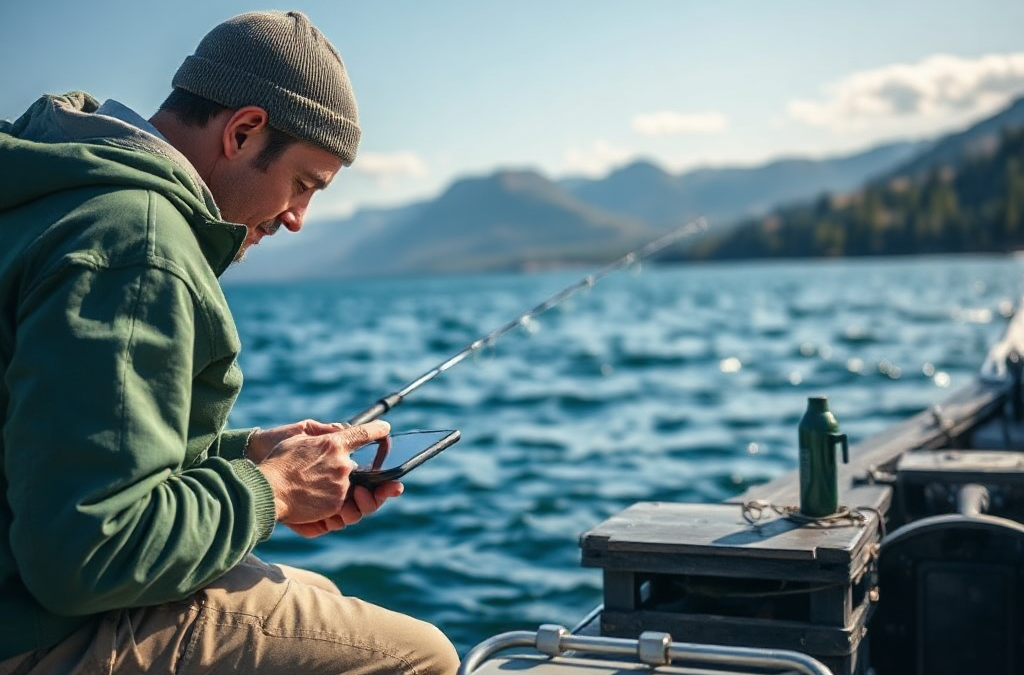
How to use technology to improve your fishing trips means combining weather and water forecasts, digital maps, GPS, sonar, and organized catch notes instead of relying on a single gadget. Check conditions before departure, mark productive structure without crowding sensitive areas, and use sonar to interpret depth changes, cover, and…
by Tips to Fishing Editorial Team | Aug 9, 2026 | Fishing Tips
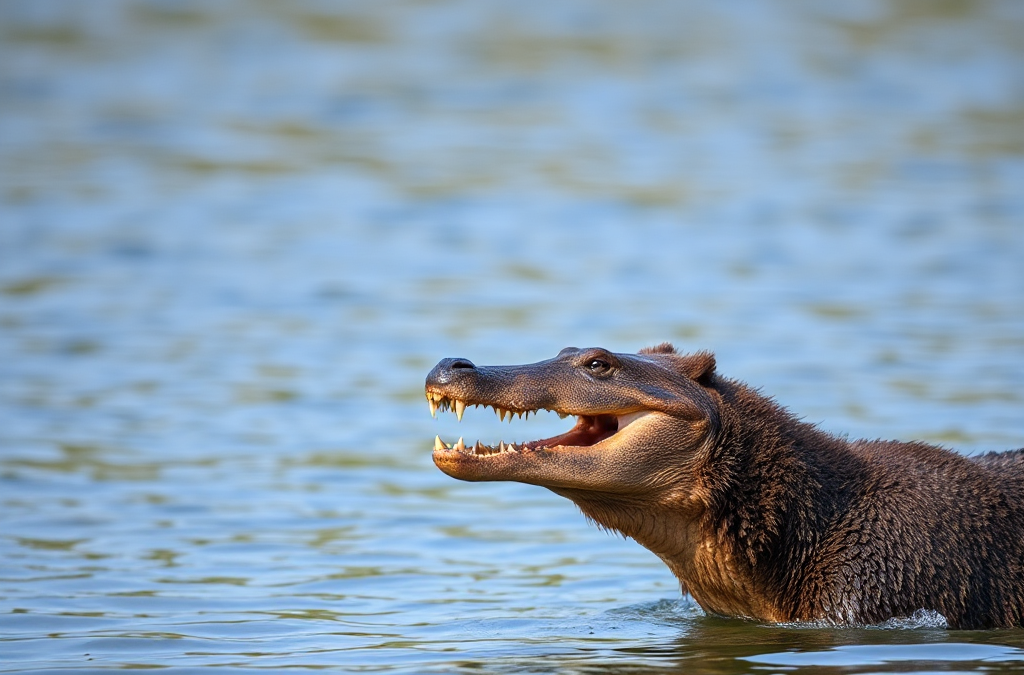
If you encounter wildlife while fishing, stop fishing, give the animal a clear escape route, create distance without sudden movement, and follow local guidance for that species. Do not approach, feed, corner, chase, or attempt to photograph an animal at close range; secure bait and food because smells can keep wildlife near your gear.
by Tips to Fishing Editorial Team | Aug 8, 2026 | Fishing Tips
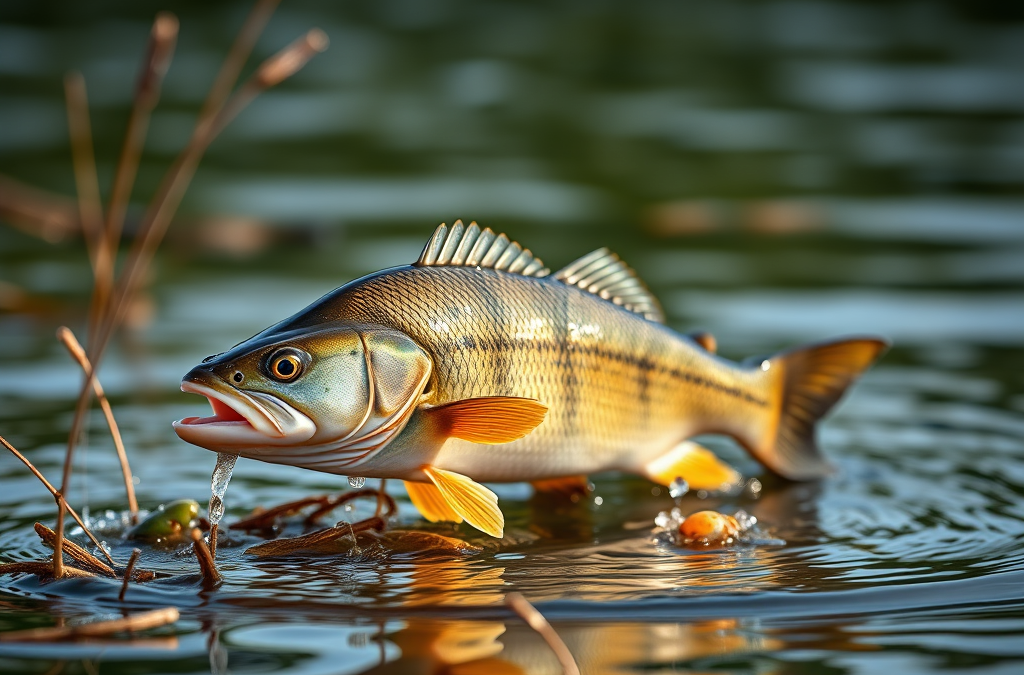
How to fish in different types of water bodies depends on reading habitat first, then matching depth, current, clarity, and forage with your rig and retrieve. In ponds and lakes, probe weed edges, drop-offs, points, and submerged cover; in rivers and streams, concentrate on current breaks, seams, pools, and undercut banks.
by Tips to Fishing Editorial Team | Aug 8, 2026 | Fishing Tips
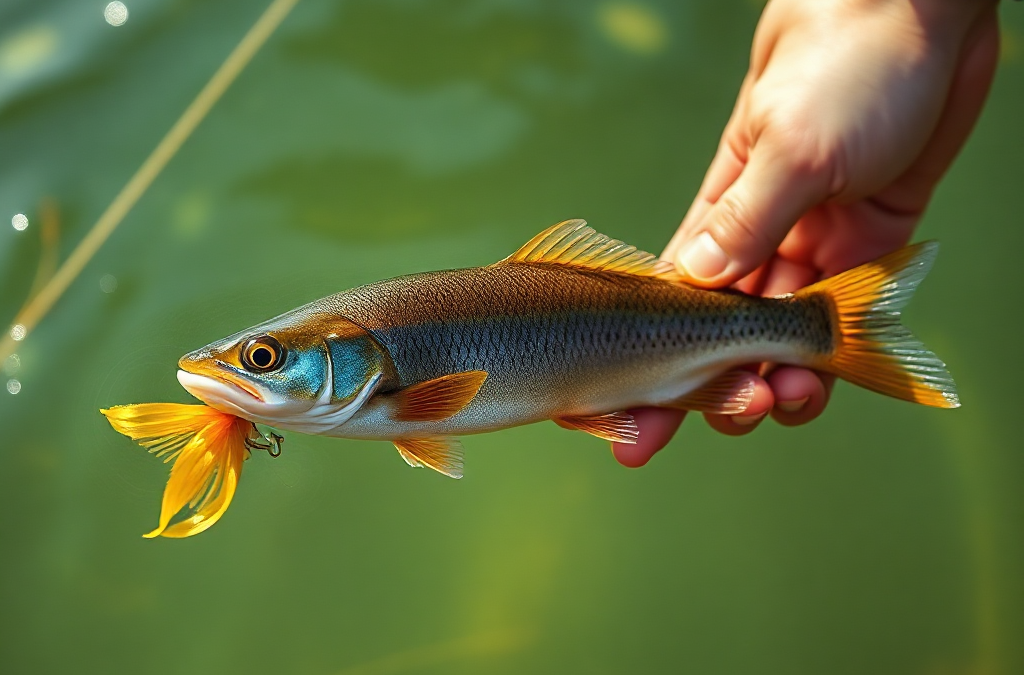
If you run out of bait, switch first to natural food you can legally collect, a small artificial lure, or a simple improvised offering that matches the fish and water you are targeting. Check local regulations before collecting worms, insects, shellfish, or other organisms, and avoid using protected species or…
by Tips to Fishing Editorial Team | Aug 7, 2026 | Fishing Tips
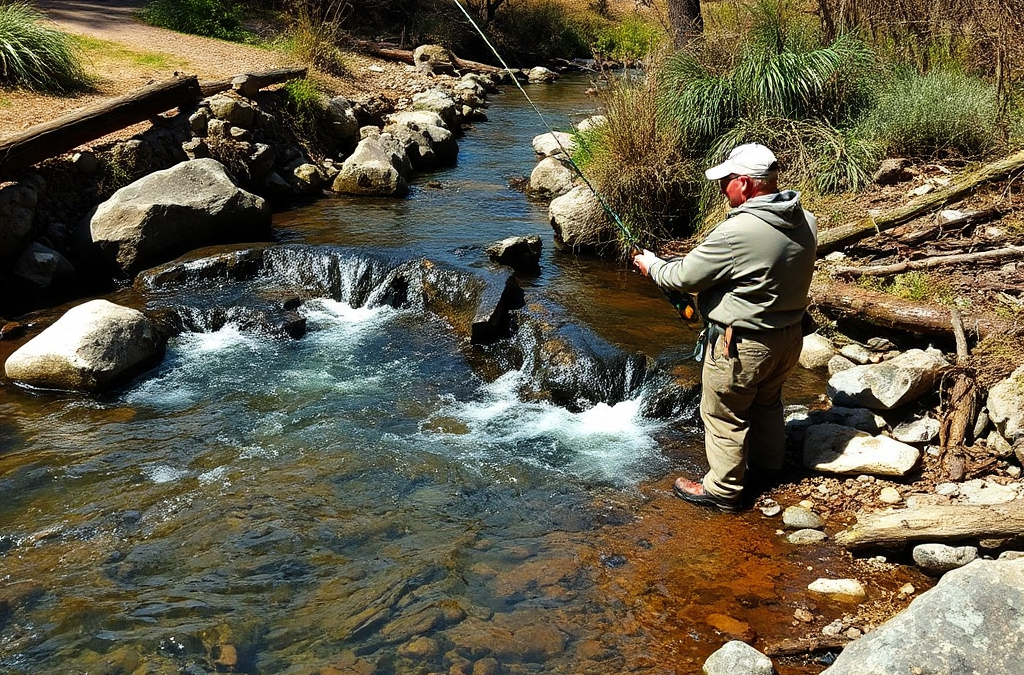
Fish effectively in small streams by staying concealed, reading current seams, and presenting a small bait or lure upstream so it reaches likely holding water naturally. Move slowly along the bank, keep your profile low, and avoid casting shadows across pools, undercut banks, and pocket water.
by Tips to Fishing Editorial Team | Aug 6, 2026 | Fishing Tips
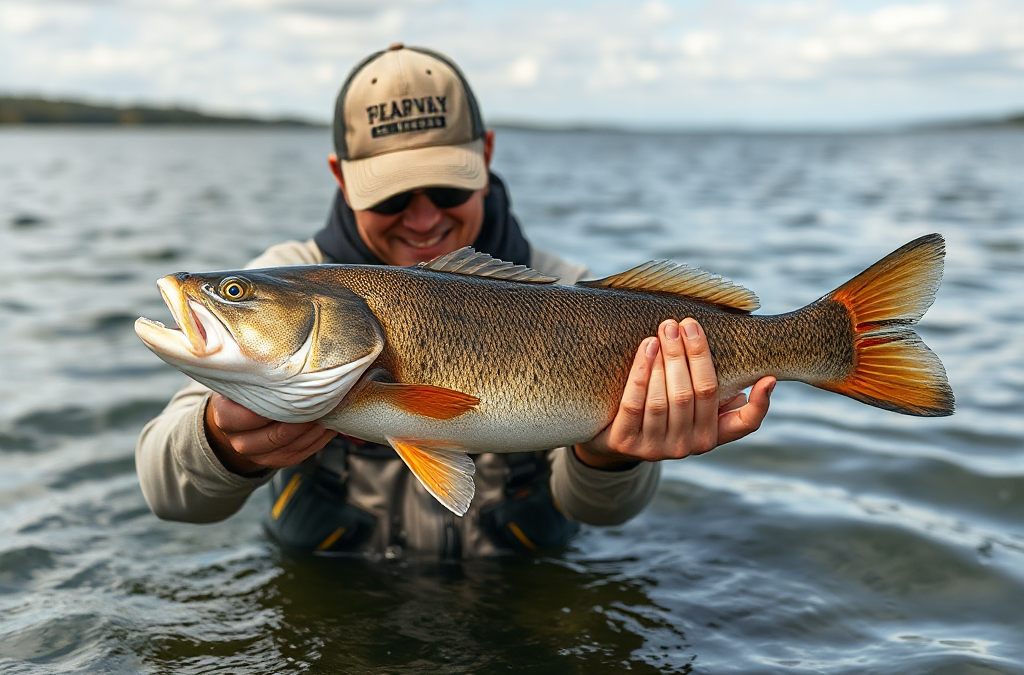
Targeting a specific species in a mixed fishery means separating its habitat, feeding behavior, and preferred presentation from the patterns used by competing fish. Begin by identifying where the species is likely to hold, then choose bait or lures that match its forage, depth, speed, and feeding zone.


