
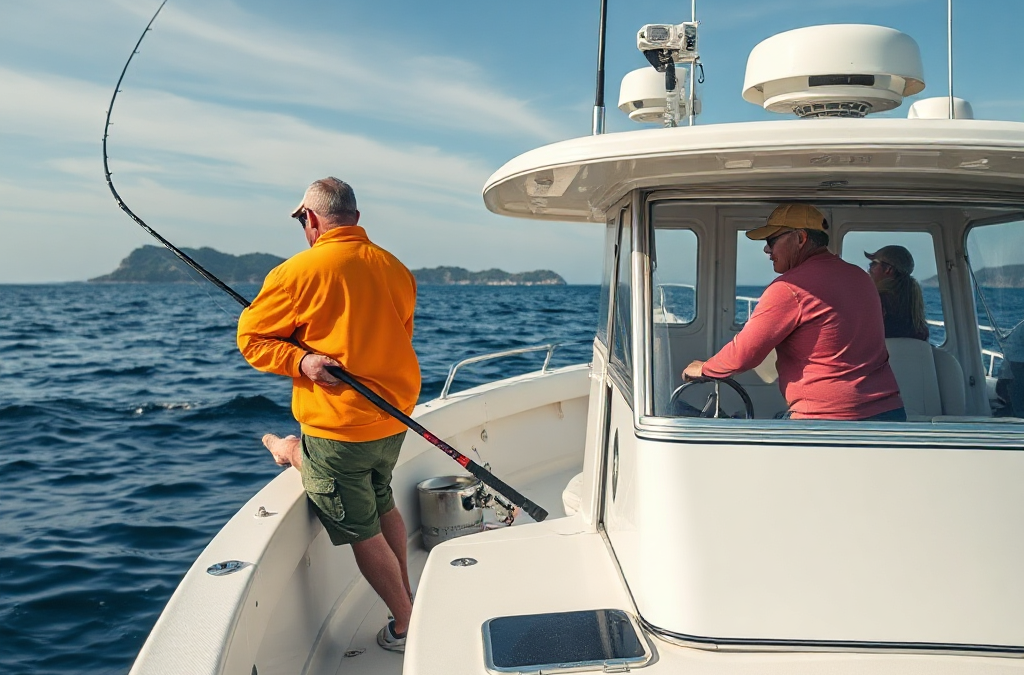
When choosing a fishing charter, compare the captain’s experience, target species, trip format, boat condition, safety practices, total price, cancellation terms, and what the fee includes. A low headline rate may exclude licenses, bait, fuel, or fish cleaning, while a longer trip is not automatically better if travel time reduces fishing time. Ask where the boat will fish, how the captain handles poor weather, what equipment is supplied, and whether the trip suits your group’s ages and abilities. Confirm the meeting location and deposit policy in writing before paying, then judge the charter by transparent communication and a realistic plan rather than photos or promises of a guaranteed catch.
Match the Charter to Your Trip Goals
The first decision is not the boat; it is the kind of outing you want. A family seeking a relaxed introduction to angling needs a different charter from an experienced group pursuing offshore pelagic species, bottom fish, or a specific trophy. The target species determines travel distance, tackle, trip length, seasonal availability, and the amount of physical effort involved.

Read the charter description for operational details rather than relying on labels such as “inshore,” “offshore,” or “deep sea.” Inshore trips may spend more time casting around shorelines, flats, docks, or structure, while offshore trips can involve a long run before lines enter the water. A four-hour trip close to the marina may provide more active fishing time than a longer trip that spends much of the day traveling to distant grounds.
Ask the captain to describe a typical day for your exact date range. A reputable operator should be able to explain the likely target species without presenting seasonal fishing as a certainty. Weather, water temperature, bait availability, tides, and local regulations can change the plan. If your priority is keeping fish, confirm which species may be retained and whether the captain follows a catch-and-release approach for particular fish.
Group needs also affect the choice. Young children, older passengers, and anyone prone to motion sickness may be better suited to a shorter trip on protected water. Anglers who want hands-on control should ask whether the crew expects passengers to cast, jig, bottom-fish, or simply wait for a bite. A charter built around heavy tackle and long runs may be exciting for one group but exhausting for another.
Use what to consider when choosing a fishing charter as a planning question, not just a search phrase: define the species, preferred water, trip duration, and experience level before comparing operators. The common mistake is booking the most dramatic-sounding trip without checking whether its physical demands and fishing style fit the passengers.
Check the Captain, Boat, and Safety Standards
The captain’s judgment has more effect on a charter day than polished marketing. Look for clear information about the captain’s experience in the local area, the boat used for the advertised trip, and the crew’s role. Local familiarity matters because productive grounds, navigation hazards, weather patterns, launch conditions, and access rules vary from one port to another.
Boat size should be evaluated against the water and passenger group, not treated as a simple quality ranking. A larger vessel may offer more stability, shelter, storage, and space for offshore travel. A smaller boat may reach shallow areas that a deep-draft vessel cannot, and it may offer a more active casting experience. The tradeoff is that smaller boats can feel more exposed to wind and chop, while larger boats may spend more time traveling or carry more passengers.
Ask practical safety questions without assuming that a cautious captain is being evasive. Confirm passenger capacity, life-jacket availability, communication equipment, weather decisions, and the procedure for a mechanical problem. You should also know whether the trip operates from a fixed marina, a changing launch point, or a location that requires special parking or access arrangements. A captain who gives a calm, specific answer is easier to trust than one who responds with vague assurances.
Reviews are useful when they describe verifiable details: whether the boat was clean, whether the captain explained the plan, whether the crew adjusted tactics, and whether the advertised duration matched the actual outing. Give less weight to reviews that only say the trip was “amazing” or complain about not catching fish without describing conditions. No ethical captain can control every bite, but the operator can control preparation, communication, equipment maintenance, and honest expectations.
Check the tackle policy as well. Some charters supply rods, reels, terminal tackle, bait, and ice; others charge separately or expect anglers to bring particular items. A common failure occurs when passengers arrive with unsuitable personal gear or discover that an advertised price excludes basic trip necessities. Confirm these details before you compare a bargain rate with a higher all-inclusive quote.
Compare Prices, Inclusions, and Booking Terms
Charter prices become meaningful only after you identify what is included. Two operators may advertise similar rates while offering very different experiences. One may include fuel, bait, tackle, fishing licenses where applicable, water, ice, fish cleaning, and crew gratuity guidance; another may charge for several of those items. Ask for the expected total for your group, including taxes, deposits, dock fees, and optional services.
Trip length deserves the same scrutiny. “Six hours” might mean six hours from departure to return, or it might be described in a way that leaves travel and loading unclear. Request the planned departure and return windows, then ask how far the boat usually travels. On an offshore outing, fuel consumption and sea conditions can make distance a major part of the schedule. On an inshore trip, an extra hour may provide more casts and location changes instead of a longer ride.
Cancellation and weather policies protect both sides of the booking. Read whether the captain can cancel for unsafe conditions, how much notice is typical, and whether you receive a refund, credit, or rescheduled date. Ask what happens if the captain’s boat becomes unavailable. A policy that distinguishes unsafe weather from a passenger cancellation is more informative than a simple “no refunds” statement.
Deposits should be paid through a traceable method, and the confirmation should identify the date, meeting point, passenger count, trip duration, captain or business name, and payment balance. Keep messages about requested species and included services. If the operator changes the terms after payment or avoids providing basic details, the lower price may not compensate for the uncertainty.
A higher quote can be reasonable when it buys a private boat, fewer passengers, better-maintained equipment, a closer departure point, or a captain whose specialty matches your target. It is not automatically better, however. Compare the fishing plan and service scope rather than assuming price signals skill. For more planning context, review what to consider when choosing a fishing charter alongside your group’s actual budget and priorities.
Ask Better Questions Before You Reserve
A short conversation before booking can expose mismatched expectations that a website will not show. Tell the captain who is coming, what experience they have, what they hope to catch, and whether anyone has mobility or motion-sickness concerns. The answer should explain what is realistic for that group, not simply repeat promotional language.
Ask these questions in a natural order:
- Which species and fishing methods are most realistic during our travel dates?
- How many passengers will be on the boat, and is the trip private?
- What equipment, bait, licenses, food, drinks, and fish-cleaning services are included?
- Where exactly do we meet, and how long are we on the water?
- What happens if weather or mechanical problems prevent the trip?
- Are there limits on keeping fish, and what should passengers bring?
The response itself is evidence. Specific answers about likely grounds, technique, clothing, boarding conditions, and weather decisions suggest the operator understands the passenger experience. Pressure to pay immediately, guarantees of a large catch, unclear fees, or reluctance to discuss cancellation terms are warning signs. Catch success is affected by conditions beyond the captain’s control, so promises should be treated cautiously.

Think about the day after booking as well. Save the confirmation, check the marina address on a map, verify the departure time, and ask when the captain will make a weather call. Bring only the personal items requested; loose bags, unsuitable footwear, and excessive luggage can create problems on a small deck. Follow instructions about food, medication, sun protection, and motion sickness, while checking with a qualified health professional about medication questions.
Use a simple priority order when two charters appear similar: safety and honest communication first, fit with the group second, transparent total cost third, and extras such as beverages or fish processing afterward. This prevents a clean website or impressive boat photos from outweighing practical shortcomings. A charter should feel organized before the boat leaves the dock.
Recognize Tradeoffs and Set Realistic Expectations
Choosing a charter involves tradeoffs that cannot be removed by advertising. Private trips usually offer more control over pace, locations, and passenger preferences, but the cost per person may be higher. Shared trips can reduce the individual price, yet passengers may have less influence over timing and technique. A specialized offshore trip may offer access to species unavailable near shore, while its longer travel time and rougher conditions may not suit every group.
Catch expectations should be framed around process and conditions. A productive day may involve changing depths, replacing bait, moving with the tide, or adjusting lure presentation. A slow bite does not necessarily mean poor service if the captain communicates the conditions, works methodically, and keeps the group engaged. Conversely, a full cooler does not excuse unsafe conduct, misleading pricing, or poor treatment of passengers.
Consider what outcome matters most. If the goal is learning, choose a captain willing to explain tackle, knots, structure, and bite detection. If the goal is a meal, clarify retention rules and fish-cleaning arrangements. If the goal is a memorable family outing, prioritize comfort, manageable duration, and time spent actively involved over a distant destination with uncertain payoff.
Before finalizing, compare two or three written quotes using the same questions. Note the boat type, passenger count, fishing area, duration, included services, deposit, cancellation policy, and likely additional costs. That comparison reveals whether a difference is tied to a meaningful service or merely a headline rate. The best choice is the charter whose plan fits your group and whose limits are stated plainly.
For a final review, revisit what to consider when choosing a fishing charter and confirm every detail that could affect the day: species, water, timing, cost, equipment, meeting point, and weather policy. Clear expectations cannot guarantee fish, but they can prevent avoidable disappointment.
Before booking, consult the official fish-and-wildlife agency for the destination, the marina or port authority for access information, and the charter operator’s written terms. These sources are more useful than informal listings for checking local licensing, seasonal rules, launch details, and cancellation conditions.
Frequently Asked Questions
How far in advance should a fishing charter be booked?
Reserve early for weekends, holidays, peak seasons, and specialized trips. Flexible weekday travelers may find availability closer to the date, but should still confirm the operator’s cancellation and weather policies.
Is a private fishing charter worth the extra cost?
A private trip may be worthwhile when your group wants control over pace, fishing methods, departure timing, or passenger mix. A shared trip can be the better value when budget matters more than customization.
What should be included in the charter price?
Ask specifically about the boat, captain, rods, reels, terminal tackle, bait, fuel, licenses, ice, drinks, fish cleaning, taxes, and gratuity. Inclusions vary, so do not infer them from the advertised rate.
Can a fishing charter guarantee a catch?
No responsible operator can guarantee a particular catch because weather, tides, water conditions, and fish behavior change. A good captain can explain the plan, adapt tactics, and set realistic expectations.
What are warning signs of a poor charter?
Be cautious about unclear pricing, missing meeting details, pressure to pay, evasive weather policies, unexplained passenger limits, and promises of guaranteed results. Written answers to basic questions reduce booking risk.
Further Reading
Authoritative Sources
- Academy of Nutrition and Dietetics
eatright.orgProfessional nutrition guidance, healthy eating resources, and practical dietitian-reviewed advice.
- U.S. Department of Agriculture
usda.govOfficial food, nutrition, agriculture, and consumer guidance from the USDA.
- NIH Office of Dietary Supplements
ods.od.nih.govResearch-based fact sheets on nutrients, supplements, dietary intake, and safety considerations.
- International Society of Sports Nutrition
sportsnutritionsociety.orgEvidence-informed sports nutrition resources and position stands for active people and athletes.
Conclusion
A strong charter choice begins with the passengers and the kind of day they actually want, then moves to the captain’s local knowledge, boat suitability, safety communication, total cost, and booking terms. Compare trips by fishing time and included services rather than by headline duration or attractive photographs. Ask direct questions about target species, methods, passenger capacity, weather decisions, equipment, and cancellation arrangements. Treat guaranteed-catch claims and unexplained fees as warning signs, while recognizing that a slow bite can still reflect competent service when conditions are difficult. Before paying a deposit, obtain the plan in writing and confirm the meeting point, balance, and requirements. That small amount of preparation gives your group a clearer, safer basis for choosing among available operators.

