by Tips to Fishing Editorial Team | Aug 12, 2026 | Fishing Tips
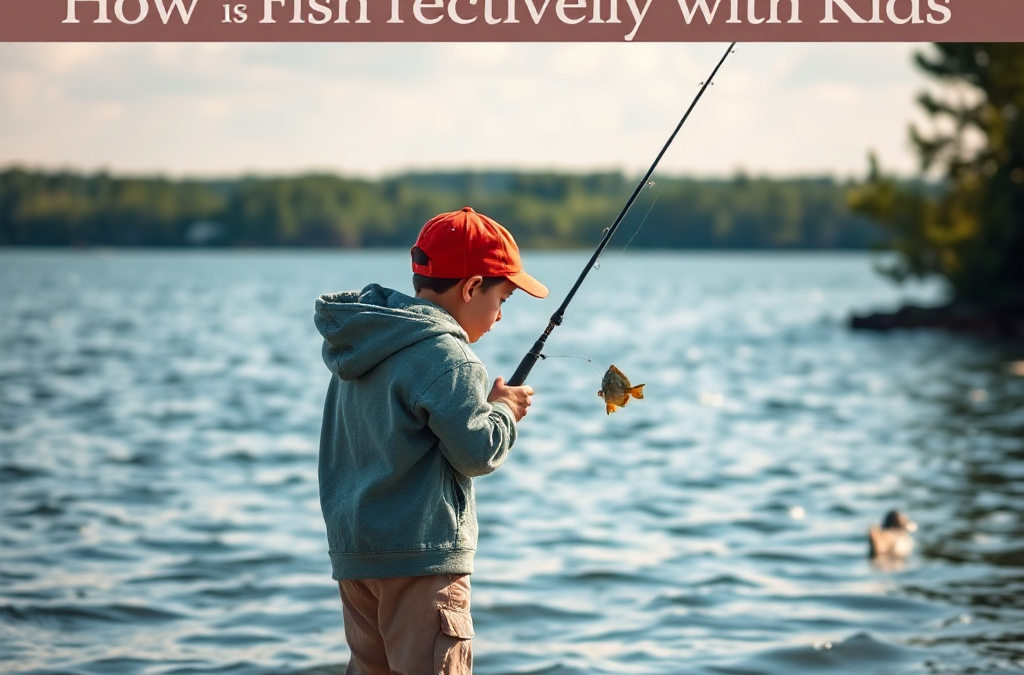
How to fish effectively with kids means designing a short, active outing around easy casting, visible fish activity, and frequent chances to participate. Choose a safe shoreline or dock, use a light spinning outfit with a simple bait or bobber rig, and practice casting before fishing begins.
by Tips to Fishing Editorial Team | Aug 12, 2026 | Fishing Tips
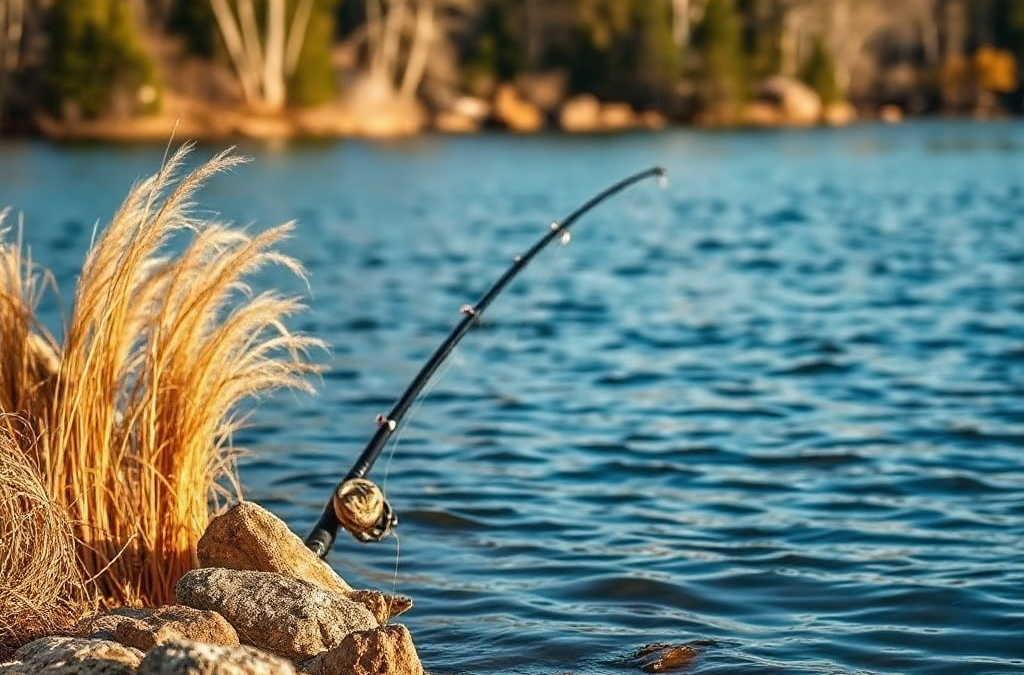
To find new fishing spots in your area, combine satellite maps, public-access records, local habitat clues, and a short scouting trip before committing to a full day. Look for points, creek mouths, submerged contours, weed edges, current breaks, and places where depth changes near available access.
by Tips to Fishing Editorial Team | Aug 11, 2026 | Fishing Tips
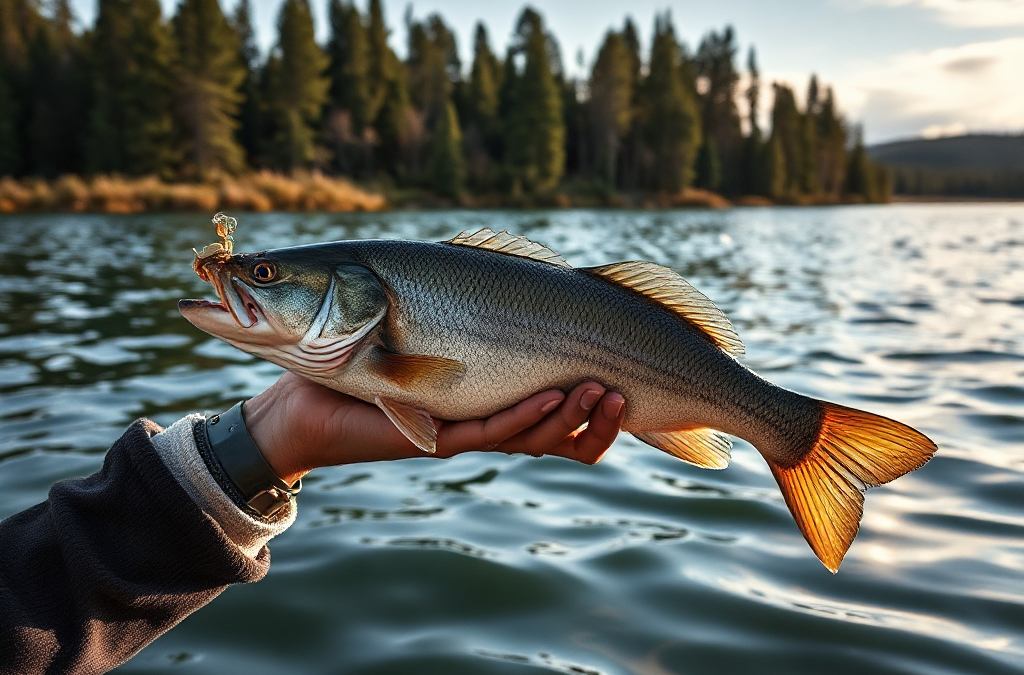
To deal with fishing pressure on popular lakes, change when, where, and how you present a lure instead of repeating the same high-traffic pattern. Heavy boat activity and repeated casts can push fish toward quieter cover, sharper depth changes, shade, or less obvious feeding windows.
by Tips to Fishing Editorial Team | Aug 11, 2026 | Fishing Tips
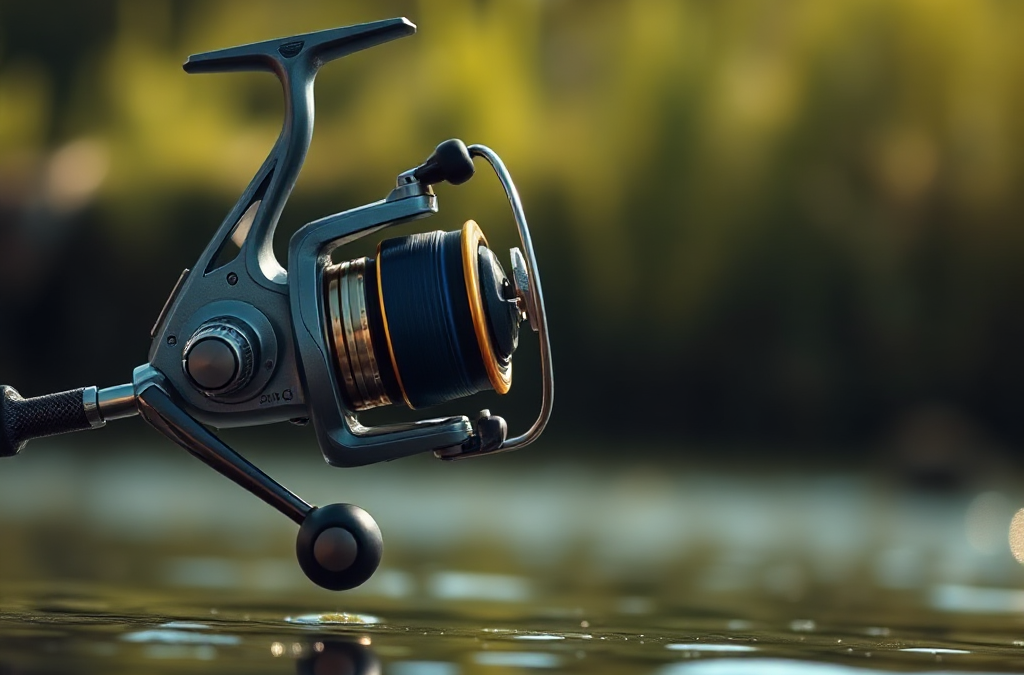
Choose a fishing reel by matching its design, size, drag, retrieve, and line capacity to the techniques and fish you actually pursue. Spinning reels suit light lures, finesse presentations, and anglers who want simple casting, while baitcasting reels offer better lure control and power for heavier work but demand more casting practice.
by Tips to Fishing Editorial Team | Aug 10, 2026 | Fishing Tips
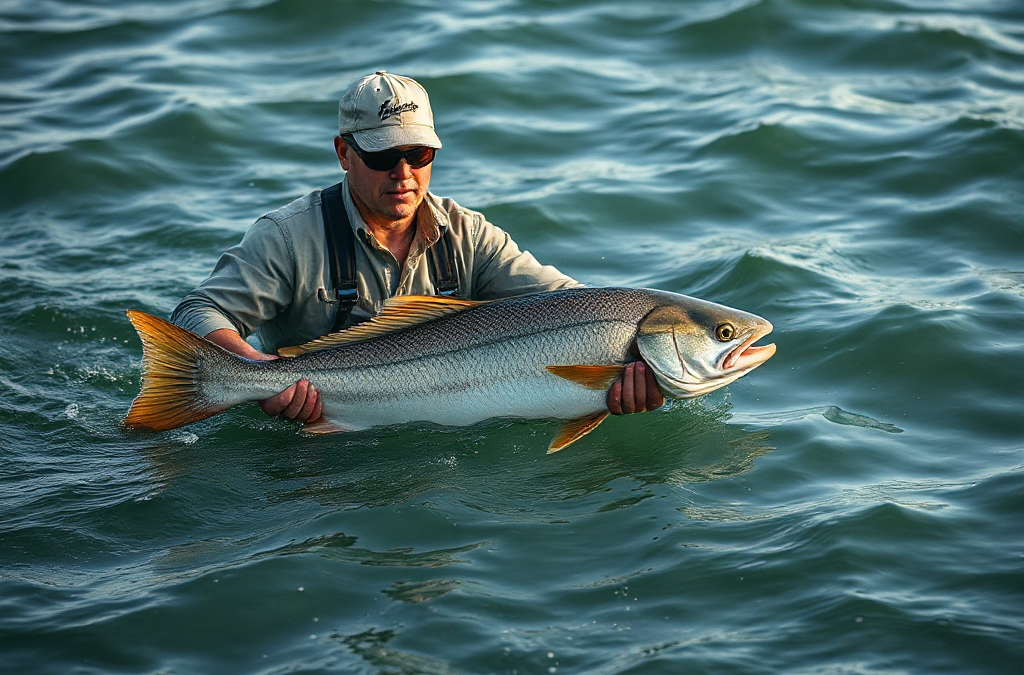
To fish effectively in saltwater, match your rig and retrieve to tidal movement, underwater structure, available forage, and the target species’ feeding depth. Begin by locating current seams, points, troughs, jetties, grass edges, or reef contours where moving water concentrates prey.
by Tips to Fishing Editorial Team | Aug 10, 2026 | Fishing Tips
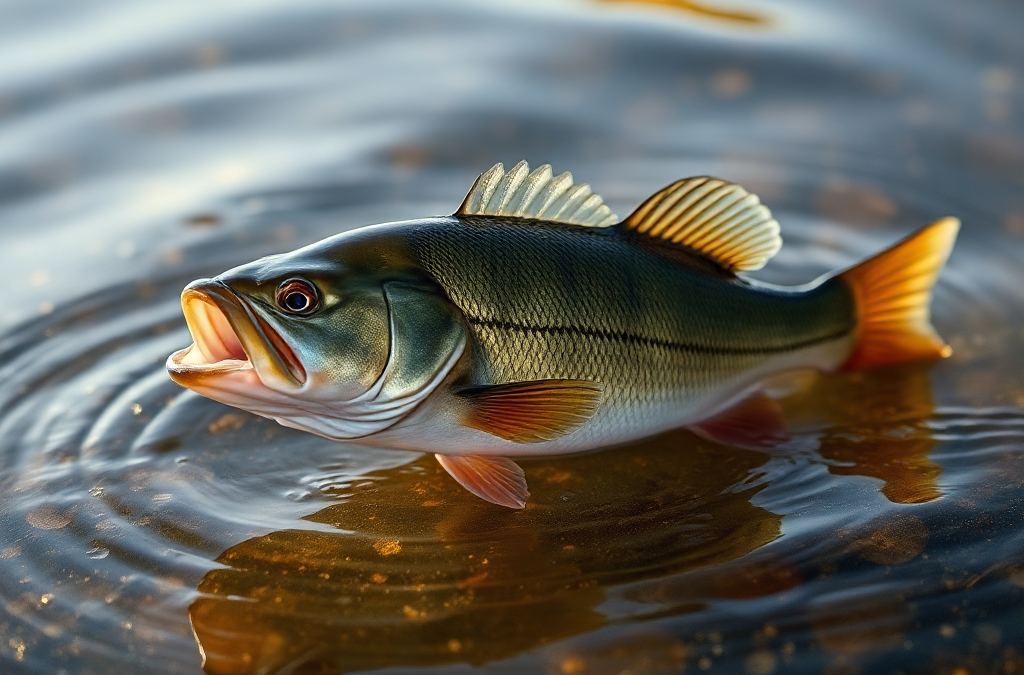
Recognizing different fish species by their habitats means matching a fish’s likely location to water temperature, depth, current, bottom composition, vegetation, and available food. Largemouth bass often favor cover such as weeds, docks, and fallen timber, while trout are more likely in cool, oxygen-rich streams, riffles, pools, and spring-fed water.


