
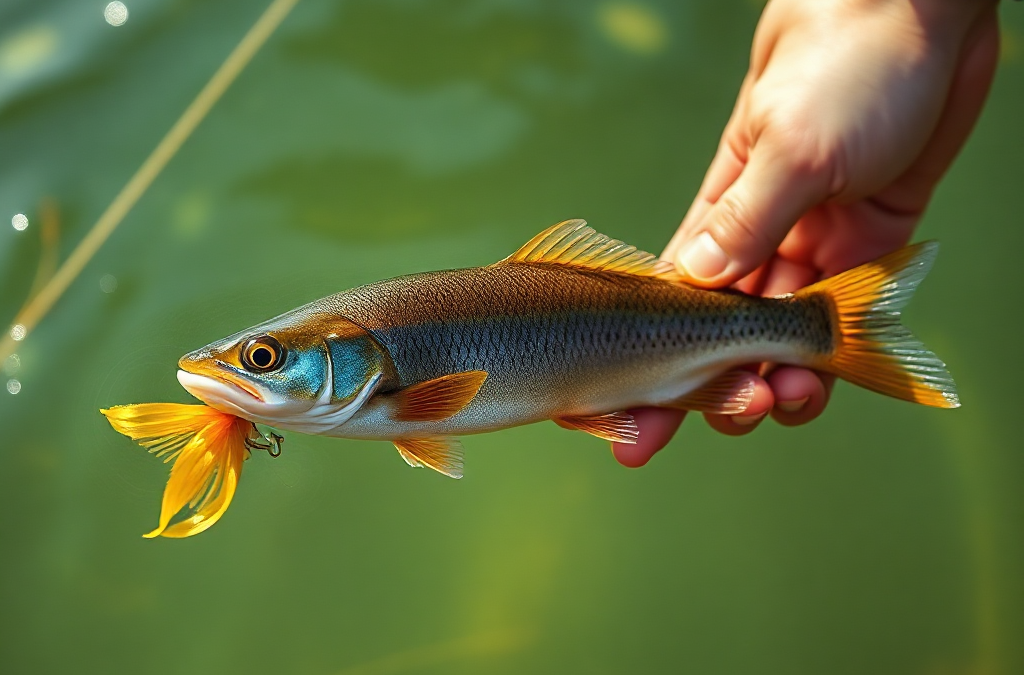
If you run out of bait, switch first to natural food you can legally collect, a small artificial lure, or a simple improvised offering that matches the fish and water you are targeting. Check local regulations before collecting worms, insects, shellfish, or other organisms, and avoid using protected species or anything likely to harm the fishery. Bread, corn, hot-dog pieces, and small food scraps may work for some freshwater species, while tiny jigs, spinners, soft plastics, or flies provide a more dependable artificial alternative. Downsize the hook, slow the presentation, and fish near cover, current breaks, or visible feeding activity rather than continuing with an oversized setup.
Assess the Situation Before Changing Tactics
Running out of bait does not automatically end a fishing trip, but it does change the problem from bait selection to matching a new presentation with the fish, water, and available tackle. Before opening a tackle box or searching the shoreline, identify what you were targeting, how it was feeding, and whether the bite depended on scent, movement, or a particular size of food. A catfish feeding by smell presents a different substitution problem from a bass chasing minnows or a panfish picking insects from the surface.

Check the remaining equipment before making a rushed change. A small hook, split shot, bobber, jig, spinner, soft plastic, or fly may be more useful than a large hook designed for the missing bait. Remove old bait residue from the hook if it has dried out or become ineffective. A bare hook rarely compensates for poor location, but a clean hook under a properly sized float can still be useful with a legal natural substitute.
Time also matters. If you are fishing during a short feeding window, spend only a few minutes testing an improvised option before changing location or presentation. If fish were already showing near your position, staying put while downsizing may be sensible. If the original bait produced no evidence of activity, replacing it with another bait at the same unproductive spot simply repeats the same mistake.
A practical first check is:
- Confirm the target species and its likely food source.
- Inspect local rules for bait collection and permitted offerings.
- Choose the smallest suitable hook or lure already available.
- Test the new option near cover, structure, current seams, or visible feeding activity.
The common failure is treating any substitute as interchangeable with the original. A scented bait and a moving lure attract fish through different signals, so the retrieve, depth, and location usually need to change as well. For more situation-specific ideas, review these bait shortage options alongside the species and water conditions in front of you.
Legal and Practical Bait Substitutes
Legal natural substitutes can keep a trip productive when they resemble food already available in the water. Depending on local rules and the target species, anglers may use items such as earthworms, garden worms, insects, corn, bread, dough, or pieces of prepared food. The best choice is not necessarily the most attractive item to a person; it is the option that fits the fish’s normal diet and stays on the hook long enough to present naturally.
Worms are often a versatile freshwater replacement because they provide movement, scent, and a familiar profile for panfish, perch, trout in some permitted waters, and other species. Thread a modest piece onto a small hook rather than using an oversized lump. Bread or dough can work for some carp, panfish, and bait-taking species, but it softens quickly and may attract small fish before a larger target reaches it. Corn can be effective in some carp fisheries, yet its use is restricted in certain waters, so local regulations take priority.
Collecting bait beside the water requires more caution than many anglers assume. Do not transfer organisms between waters, disturb protected habitat, or use amphibians, fish, shellfish, or insects when regulations prohibit collection. Saltwater anglers should be especially careful with shellfish and intertidal organisms because access, size, season, and collection rules can vary by location. A substitute that is legal at one lake, river, or coast may be prohibited elsewhere.
Food from a lunch bag is a fallback, not a universal solution. A small piece of bread may tempt carp in shallow water, while it is a poor choice for a predator expecting a moving minnow. Strongly seasoned, oily, or processed foods can fall apart, create litter, or foul the presentation. Use only a small amount and retrieve or dispose of unused material responsibly.
When comparing natural substitutes with artificial lures, natural food usually offers scent and a slower presentation but can attract nuisance species and require frequent rebaiting. Artificial options are cleaner, reusable, and often better for covering water. The mistake is choosing a substitute based solely on convenience without considering the target’s feeding behavior or the rules governing that fishery. The right emergency bait choice is the one that is legal, appropriately sized, and matched to the fish in front of you.
Switching to Lures Without Losing Fish
A lure becomes the strongest fallback when no natural bait is available and the fish are responding to movement. Select the smallest lure that can be cast and controlled in the conditions. Tiny jigs, spinners, spoons, soft plastics, flies, and small crankbaits can imitate insects, fry, or wounded forage without requiring scent. Clear water often rewards a subtle profile and restrained movement; stained water may call for vibration, flash, or a slower pause that gives fish time to locate the lure.
Change the presentation rather than simply tying on a lure and fishing it at the same speed as bait. Bait under a float may remain nearly stationary, while a spinner or jig needs controlled movement. Start with a slow retrieve and occasional pauses. If the lure is passing above visible fish, add weight or count it down before beginning the retrieve. Around weeds or wood, a weedless soft plastic may be more practical than an exposed treble-hook lure, even if the latter casts farther.
A small jig tipped with no bait can still produce when panfish or bass are feeding near cover, but it may need a more deliberate cadence. Lift it slightly, allow it to fall, and watch the line during the descent. A spinner can cover more water when fish are scattered, although it is less useful in dense vegetation or heavy current where it snags repeatedly. A fly or small floating lure may be preferable when insects are landing on the surface, but wind and casting skill limit its usefulness.
Use a short experiment rather than random lure changes. Fish one lure through a likely depth and retrieve for several minutes, then alter only one variable: speed, depth, color, or location. Signs of a productive adjustment include follows, short strikes, surface disturbances, or baitfish scattering. If the lure returns untouched and there is no visible activity, move toward a different depth or structure before blaming the lure.
The frequent mistake is fishing an artificial lure too aggressively after losing bait. Fast retrieves can pull a small lure away from inactive or cold fish, while excessive rod movement makes a tiny offering look unnatural. A baitless lure is not a direct replacement for scented bait; it is a different communication method. For additional tackle decisions, see what to do if you run out of bait when selecting a backup presentation.
Improvised Bait, Presentation, and Location
Improvised bait works best when the hook, texture, and location support the substitute’s limitations. Soft food needs a small hook and a gentle cast. A tough strip of meat or fish-safe prepared bait needs enough hook point exposed for a firm connection. Keep the offering compact; a large wad may hide the hook, spin unnaturally, or be stripped by small fish before the target can take it.
Location becomes more important when the substitute has weak scent or limited durability. Fish close to submerged vegetation, dock edges, rocks, fallen timber, current breaks, drop-offs, and the transition between shallow and deep water. A worm beneath a float can be positioned beside cover, while a small jig can be worked along the outside edge. In a river, place the offering where slower water meets the main current rather than casting repeatedly into the fastest flow.
Consider a shoreline angler who loses the last minnows while targeting crappie. A small jig fished vertically beside brush may outperform a piece of bread because the jig can reach the same suspended depth and avoids constant bait theft. By contrast, an angler targeting bottom-feeding catfish may get better results from a legal piece of available food placed near a deep edge, although the wait may be longer and smaller fish may interfere.

Weather and water clarity affect the tradeoff. Wind can make a float difficult to track, pushing the angler toward a weighted bottom rig or a lure with enough mass to cast. Bright, clear conditions may favor a smaller, less conspicuous offering, while cloudy water can make vibration and scent more valuable. Do not assume that a brightly colored substitute will compensate for fishing at the wrong depth.
Monitor the result after each cast. If the offering disappears without a clear bite, use a smaller piece, expose more hook point, or move away from a concentration of small fish. If there are no taps, follows, or line movements after a reasonable test, change depth or location. The failure mode to avoid is endlessly refining an improvised bait while ignoring evidence that fish are elsewhere.
Preventing Another Bait Shortage
The easiest emergency solution is a small backup system prepared before leaving home. Carry at least one reusable artificial option suited to the target species, a few spare hooks, and a way to store any natural bait separately from clothing and tackle. A compact jig, spinner, or soft plastic can preserve the trip when live bait dies, spills, or gets consumed faster than expected.
Pack bait in quantities based on the fishing method rather than the calendar. Bottom fishing with small fish likely requires more replacement pieces than float fishing over quiet water. Keep delicate bait cool when appropriate, prevent live bait from overheating, and avoid opening a container repeatedly in direct sun. A simple inventory check before launching can reveal missing hooks, split shot, scissors, or storage containers before the shortage becomes urgent.
It also helps to plan a second target. If the primary species depends heavily on bait, identify a nearby area where panfish, perch, or another species may respond to lures. This is not a guarantee of success, but it gives the outing a realistic alternative rather than forcing one tactic after conditions have changed. Review the relevant bait and lure plan before the next trip, especially when traveling to unfamiliar water.
A useful emergency checklist includes:
- One small artificial lure matched to local species.
- Spare hooks, line, weights, and a cutting tool.
- A legal, non-perishable backup option where permitted.
- A quick method for checking current fishery regulations.
- A plan for changing depth, location, or target species.
Preparation should not become overpacking. A few versatile items are more useful than a large collection of poorly matched lures. The priority is preserving control over size, depth, and presentation when the original bait disappears. That approach turns a bait shortage from a hard stop into a manageable change of method.
For current rules on collecting, transporting, and using bait, consult the official fishing regulations published by the wildlife or fisheries agency responsible for the water you plan to fish. Regulations can differ by species, location, season, and bait type, so local government guidance is more reliable than a general rule from another fishery.
Frequently Asked Questions
Can I use bread if I run out of fishing bait?
Bread may work for carp and some panfish, but it is soft and often attracts small fish. Use a small piece, keep the hook point exposed, and confirm that chumming or bread use is permitted.
What artificial lure is the best emergency replacement?
A small jig, spinner, spoon, soft plastic, or fly is usually the most versatile choice. Select one that matches the target's size of prey and the depth you need to fish.
Can I collect worms or insects beside the water?
Only if local regulations allow it and collection will not damage protected habitat. Never move organisms from one waterway to another, and avoid prohibited species.
Why are fish not biting my improvised bait?
The substitute may be too large, poorly secured, presented at the wrong depth, or unattractive to the target species. Change one variable at a time and look for fish activity before continuing.
Should I keep fishing the same spot after running out of bait?
Stay if fish were already visible or showing interest, but move if the area produced no signs of activity. A new lure often requires different cover, depth, or current than the original bait.
Further Reading
Authoritative Sources
- Academy of Nutrition and Dietetics
eatright.orgProfessional nutrition guidance, healthy eating resources, and practical dietitian-reviewed advice.
- U.S. Department of Agriculture
usda.govOfficial food, nutrition, agriculture, and consumer guidance from the USDA.
- NIH Office of Dietary Supplements
ods.od.nih.govResearch-based fact sheets on nutrients, supplements, dietary intake, and safety considerations.
- International Society of Sports Nutrition
sportsnutritionsociety.orgEvidence-informed sports nutrition resources and position stands for active people and athletes.
Conclusion
A bait shortage calls for a measured change in presentation, not a hurried search for something random to put on the hook. Confirm the regulations, identify how the target species was feeding, and choose between a legal natural substitute and a small artificial lure. Natural options provide scent and a slow presentation, while lures offer cleaner, reusable coverage of different depths and structures. Downsize when necessary, expose the hook point, and judge the change by actual signs such as follows, taps, baitfish movement, or repeated bait theft. If the water gives no response, change location or target rather than endlessly adjusting an ineffective offering. Carrying a compact lure, spare terminal tackle, and a lawful backup plan makes the next trip far less vulnerable to spilled, spoiled, or exhausted bait.

