by Tips to Fishing Editorial Team | Aug 28, 2026 | Fishing Tips
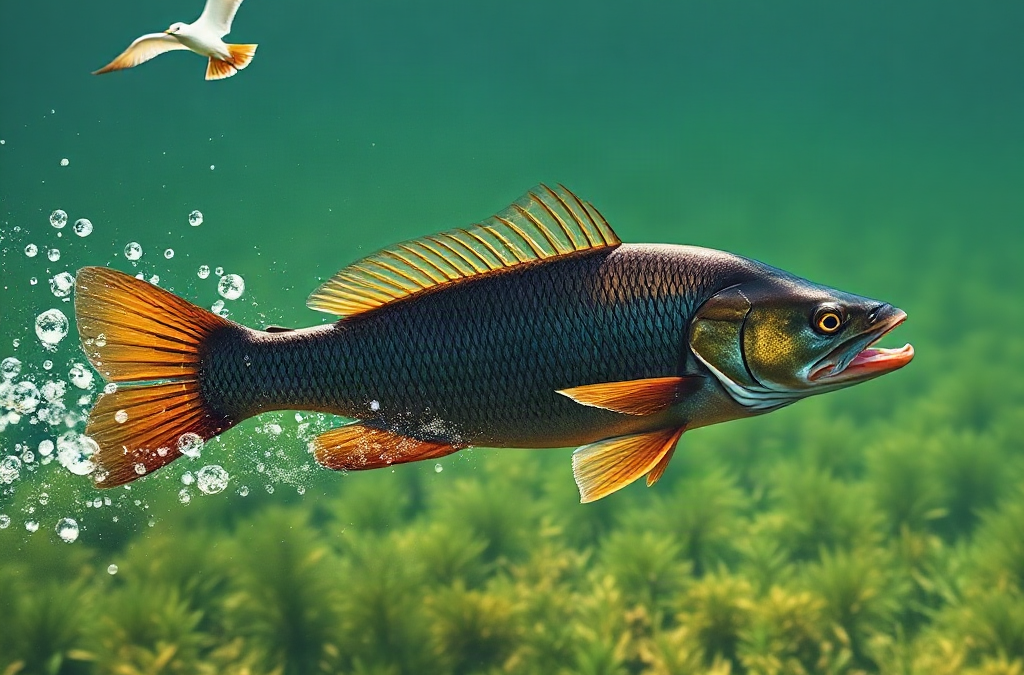
Common signs that fish are present in the area include schooling baitfish, surface disturbances, diving birds, fresh swirls near cover, and concentrated activity around current breaks or underwater structure. Baitfish often reveal a predator’s location because fleeing minnows may bunch, scatter, or flick across the surface.
by Tips to Fishing Editorial Team | Aug 27, 2026 | Fishing Tips
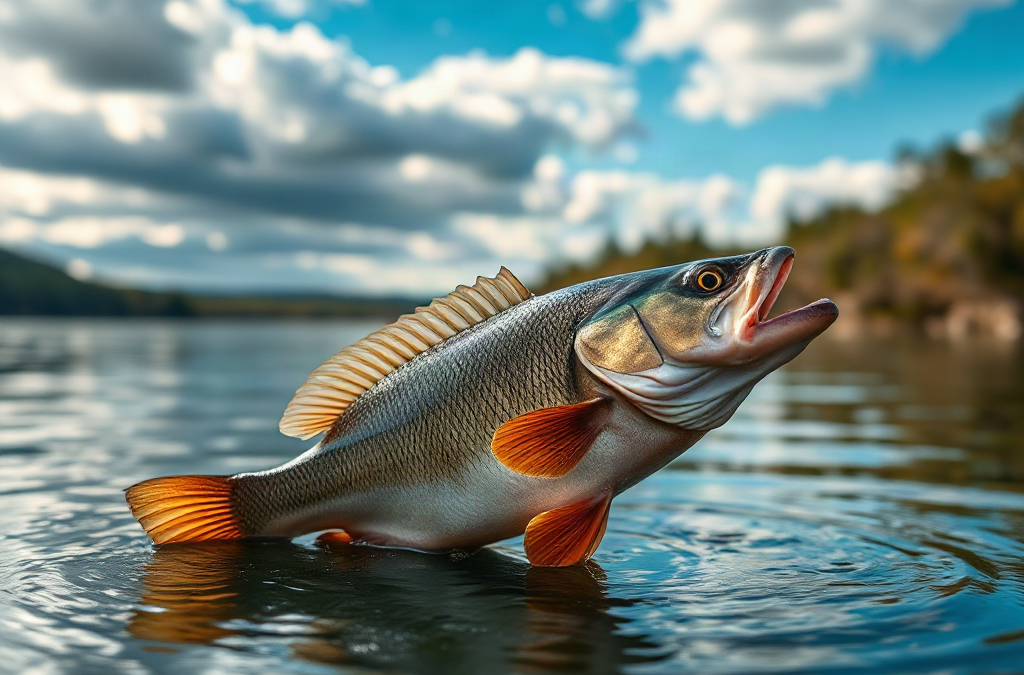
How to fish in high-pressure weather conditions comes down to finding fish that have moved tighter to cover, slowing the presentation, and adjusting around the clearest water and brightest periods. High pressure often follows a front, bringing calm skies, increased light, and a sharp change in feeding behavior rather than making fish disappear.
by Tips to Fishing Editorial Team | Aug 27, 2026 | Fishing Tips
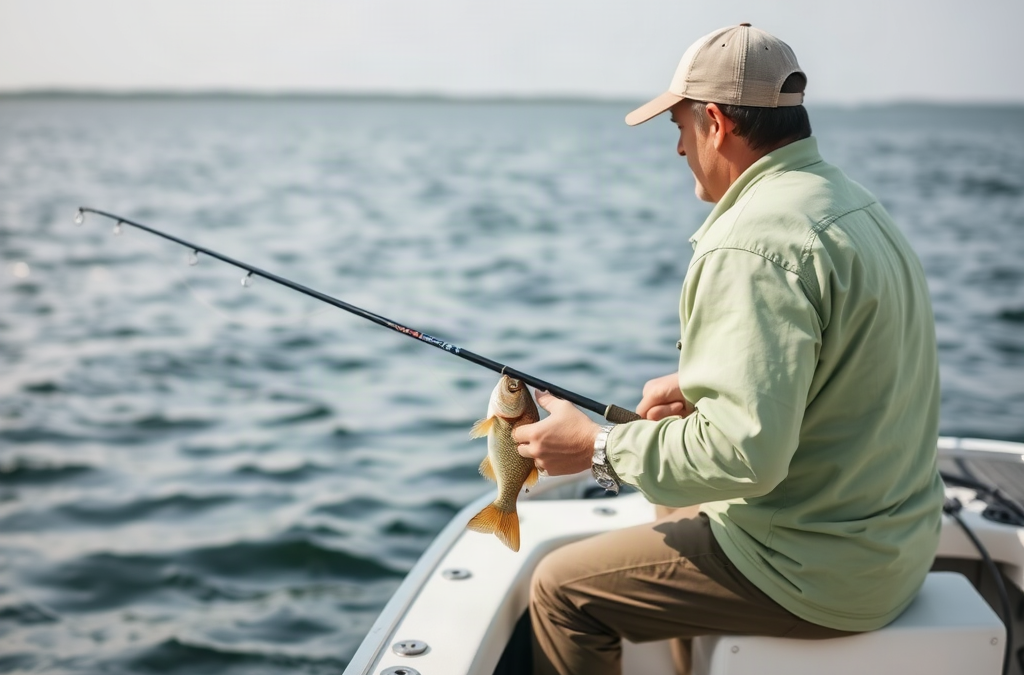
If your fishing partner isn’t cooperating, pause the fishing, identify whether the issue is safety, unclear expectations, fatigue, or frustration, and agree on one simple plan before casting again. Set specific boundaries for boat movement, casting space, shared gear, noise, and changing spots, then give each person a defined turn or fishing area.
by Tips to Fishing Editorial Team | Aug 26, 2026 | Fishing Tips
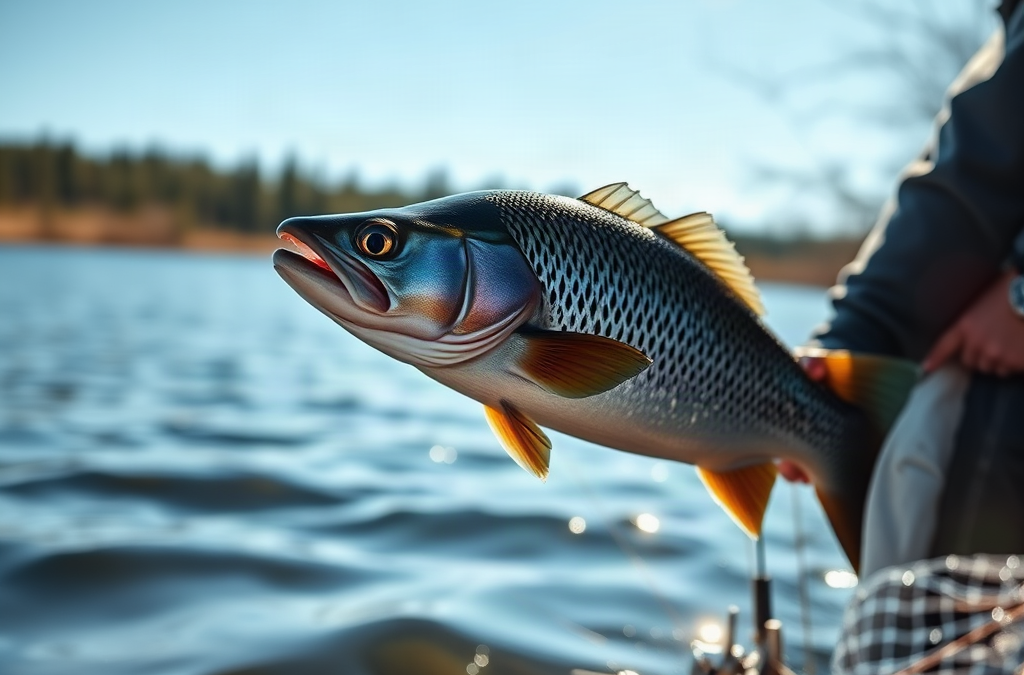
Adjust your fishing approach when fish are skittish by reducing disturbance, downsizing or refining the presentation, and extending the pause between movements. Approach from downwind or with the sun behind you, avoid repeated casts that cross the fish’s line of sight, and let the lure settle before beginning a slow retrieve.
by Tips to Fishing Editorial Team | Aug 26, 2026 | Fishing Tips
Fish shallow water effectively by approaching quietly, targeting cover and depth changes, and presenting a lure or bait at the speed local fish can follow. Work the edges of weeds, docks, submerged timber, drop-offs, and inflowing water rather than casting randomly across featureless flats.
by Tips to Fishing Editorial Team | Aug 26, 2026 | Fishing Tips
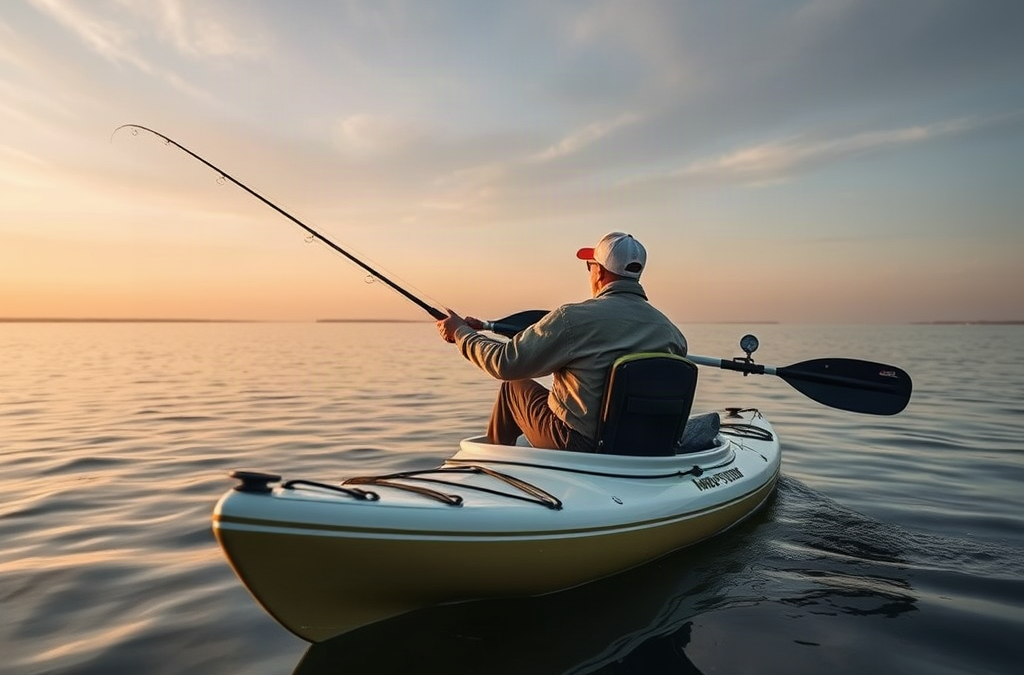
If you’re not catching fish while kayak fishing, first verify that fish are present, then change only one variable at a time: location, depth, presentation, or retrieve speed. Check your position against wind, current, shoreline cover, and visible bait rather than staying over unproductive water because it feels convenient.


