
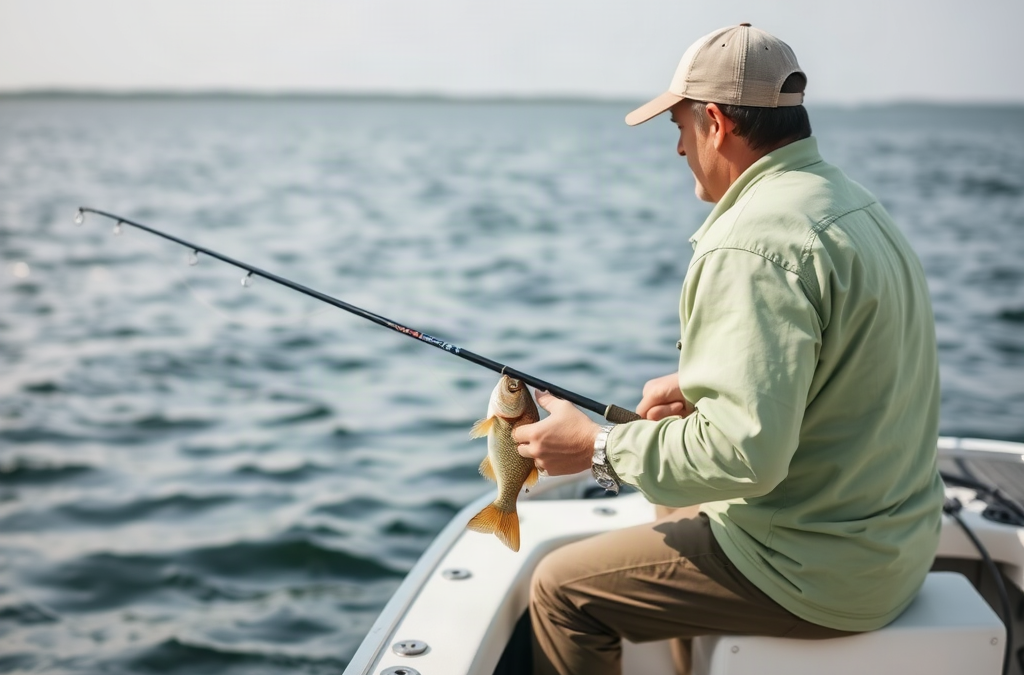
If your fishing partner isn’t cooperating, pause the fishing, identify whether the issue is safety, unclear expectations, fatigue, or frustration, and agree on one simple plan before casting again. Set specific boundaries for boat movement, casting space, shared gear, noise, and changing spots, then give each person a defined turn or fishing area. A short reset—water, food, shade, or ten quiet minutes—often works better than correcting someone repeatedly. If the partner ignores a safety rule, threatens someone, damages equipment, or refuses every reasonable compromise, end the trip or separate activities rather than forcing the day to continue.
Find the Reason Behind the Conflict
A difficult fishing partner usually creates a practical problem before it becomes a personal one. The person may be tired, seasick, cold, hungry, inexperienced, bored by slow action, or upset because the day is not matching expectations. They may also be handling unfamiliar tackle and covering discomfort with impatience or refusal to follow instructions. Treating every objection as bad attitude makes the disagreement harder to resolve.

Watch the timing and behavior before choosing a response. Someone who keeps changing lures may be frustrated by a lack of bites, while someone who leaves gear across the deck may not understand how quickly a trip becomes unsafe. A partner who repeatedly asks to move may dislike the fishing style, not the company. Ask a narrow question such as, “Is the problem the pace, the weather, the equipment, or the spot?” Specific choices are easier to answer than “What is wrong?”
The distinction between preference and risk matters. Wanting to cast a different lure is a preference. Standing while the boat is moving, casting across another angler, or ignoring a personal flotation device is a safety issue. Preference can be negotiated; safety needs a firm boundary. That difference prevents a common mistake: spending energy debating small fishing choices while a genuine hazard continues.
For example, a novice may stop cooperating after losing two rigs in thick cover. Telling that person to “pay more attention” adds embarrassment without solving the mechanism of the problem. Moving them to an easier casting lane, shortening the leader, or demonstrating a weedless presentation gives them a manageable task. A useful plan for an uncooperative fishing partner begins with diagnosis, not criticism.
Set Clear Fishing and Safety Boundaries
Clear boundaries turn vague irritation into decisions both anglers can follow. Before restarting, state what must happen and why: “We will keep the motor off while casting,” “Ask before crossing the bow,” or “We will fish this bank for twenty minutes before deciding whether to move.” The wording should describe an action, not judge a personality. “You are being careless” invites an argument; “Hooks stay covered when we change positions” gives the group a workable rule.
Boat layout deserves special attention. Decide who fishes the front, who fishes the rear, where spare rods lie, and which direction each person casts. On shore, establish a casting interval and enough spacing to prevent crossed lines. Shared tackle also needs an agreement. If one person owns the boat, electronics, or expensive rods, that person can set handling rules, but should explain them before a mistake occurs rather than reacting after damage.
Cooperation improves when each angler has a defined share of control. Rotate the best casting position after a set period, alternate who chooses the next area, or let one partner select the lure while the other chooses the retrieve. A beginner may need a simple bait-and-wait setup while an experienced angler works a moving lure. That is not necessarily unequal treatment; it may be the safest way to keep skill differences from becoming resentment.
Do not promise equal catches or equal fishing conditions. The person at the bow may have cleaner angles, and the angler using live bait may receive more immediate action than someone throwing a search lure. Explain the tradeoff instead of pretending the arrangement is identical. A brief agreement can include these priorities:
- Safety rules are not negotiable.
- Each person gets a defined turn, area, or decision.
- Gear changes happen without grabbing another person’s rod.
- Moving spots requires a quick agreement unless weather or safety demands it.
These rules support better fishing-partner communication without turning a recreational outing into a formal contract. The common failure is overexplaining. Give one or two rules, demonstrate the action, and check whether the partner can follow them. Add more detail only when a real problem appears.
Use a Practical Reset for the Day
A reset works when the conflict is being amplified by discomfort, monotony, or repeated failure. Stop casting for a few minutes and change the physical conditions: offer water, food, sunscreen, a layer, shade, or a seat. On a small boat, reduce engine noise and ask everyone to put rods down before discussing the next move. A hungry or overheated angler may sound argumentative while actually needing a break.
After the pause, choose one short experiment rather than redesigning the entire trip. Fish a different depth for fifteen minutes, switch from artificial lures to bait, target a visible piece of cover, or let the frustrated partner choose the next presentation. The purpose is not to guarantee a catch. It is to create a clear test with a time limit and a result that can be discussed without blame. If the experiment produces no interest, the group has useful information rather than another open-ended disagreement.
Use encouragement tied to observable behavior. “That cast landed beside the reed edge” is more useful than “You are doing great,” especially for a beginner who cannot tell which action worked. Correct only the detail that affects the immediate result. Continuous instructions can make an adult feel supervised, while no instruction leaves a new angler guessing. Ask permission before coaching: “Would you like one adjustment to the retrieve?”
Suppose a partner keeps insisting that the lure is wrong after several quiet periods. Compare two responses. Arguing about lure choice turns an uncertain fishing result into a personal contest. Testing a contrasting option—such as a slower presentation beside cover instead of another fast-moving lure—creates a fair comparison. Explain what to watch for: line movement, a change in bottom contact, or a strike during the pause. The approach is useful because it replaces opinion with a small, observable decision.
Know when a reset is failing. Rising volume, repeated unsafe actions, damaged gear, refusal to wear required safety equipment, or continued insults are not signs that more fishing advice is needed. End the fishing segment, return to shore, or separate activities if possible. A successful reset produces calmer communication and predictable behavior, even if the fish remain uncooperative.
Know When to End or Change the Trip
Ending a trip is reasonable when cooperation cannot be restored without compromising safety or basic respect. Fishing time is discretionary; exposure to lightning, worsening wind, cold, rough water, or exhaustion is not a test of commitment. The operator should make the final call on navigation and weather-related risk, but should communicate it plainly: “We are heading in because conditions are deteriorating,” rather than presenting the decision as a punishment.

When the problem is a mismatch in goals, change the format instead of forcing agreement. One person may want fish for dinner, while the other wants to practice casting. They might divide the outing into a short catch-focused period followed by lure practice, or choose separate activities on a larger property. A child or first-time angler may prefer frequent movement and visible targets; a patient bass angler may value one productive piece of cover. Neither preference is automatically unreasonable.
Before a future trip, discuss the details that caused trouble: launch time, expected duration, target species, cost of bait, access to a restroom, alcohol policy, seating, and who controls the boat. Shorter outings are often a better trial than an all-day commitment. Bring a spare simple rig, extra water, and clothing suited to the forecast, but do not assume equipment can compensate for incompatible expectations.
Respect also has a firm limit. Refusal to follow a safety instruction, deliberate interference with casting, intimidation, or destructive behavior calls for distance rather than negotiation. If the partner is a friend or relative, preserving the relationship may mean admitting that the two of you should not share a boat again. You can still fish together in separate boats, meet for shore fishing, or choose a non-fishing activity.
The next outing should have a small pre-trip agreement and a clear exit option. That prevents a minor disagreement from becoming a confrontation in a confined space. For more planning detail, review what to do if your fishing partner isn’t cooperating before the launch, especially when the partner is inexperienced or the water may become difficult.
Before launching, consult your state wildlife agency or local boating authority for current safety requirements, weather advisories, life-jacket guidance, and water-specific restrictions. These official sources are more useful than informal advice when conditions or equipment rules affect whether a trip should continue.
Frequently Asked Questions
Should I keep correcting a partner who is making fishing mistakes?
Correct only actions that affect safety, equipment, or the immediate technique. Ask whether the person wants coaching, then offer one specific adjustment instead of constant commentary.
What if my partner keeps demanding that we move spots?
Set a short test period and define what will trigger a move, such as no bites, poor wind direction, or an unsafe position. This gives the request a fair evaluation without changing locations impulsively.
How can I handle a fishing partner who ignores boat safety rules?
Stop the activity and state the rule clearly. If the person still refuses to comply, return to shore or end the trip; catching fish is not worth continuing with unsafe behavior.
What should I do when a beginner becomes frustrated?
Simplify the task, remove unnecessary tackle changes, and choose a realistic short goal such as making controlled casts near visible cover. A break for food, water, or shade may help more than additional technique advice.
Can two anglers with different fishing goals still enjoy a trip?
Yes, if the schedule divides control and expectations. Alternate lure selection or fishing positions, set a time for each objective, and agree beforehand that different success measures are acceptable.
Conclusion
A difficult fishing partner calls for observation before correction. Separate discomfort, inexperience, boredom, and mismatched goals from behavior that creates an actual safety risk. Then pause, state a few concrete boundaries, share control of the fishing plan, and test one manageable change at a time. Food, water, shade, simpler tackle, or a shorter fishing window can restore cooperation when fatigue is driving the conflict. If the partner continues to ignore safety rules, damage equipment, or behave abusively, ending the outing is the responsible choice. For the next trip, agree on duration, target, boat roles, gear handling, and an exit plan before launching. A compatible format matters more than forcing two people to fish identically.

