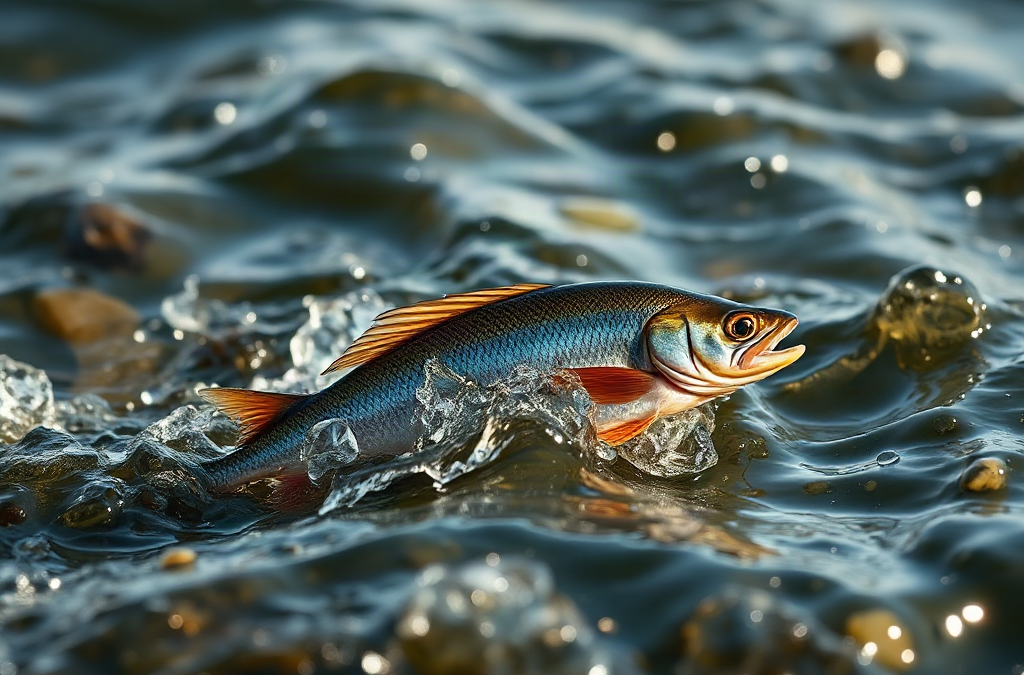
by Tips to Fishing Editorial Team | Sep 20, 2026 | Fishing Tips
To fish strong tidal flows effectively, position your bait or lure near current seams, eddies, bottom contours, and sheltered structure rather than casting into the fastest water. Use enough sinker weight to maintain controlled bottom contact, but avoid excessive weight that deadens the presentation or wedges into rocks.
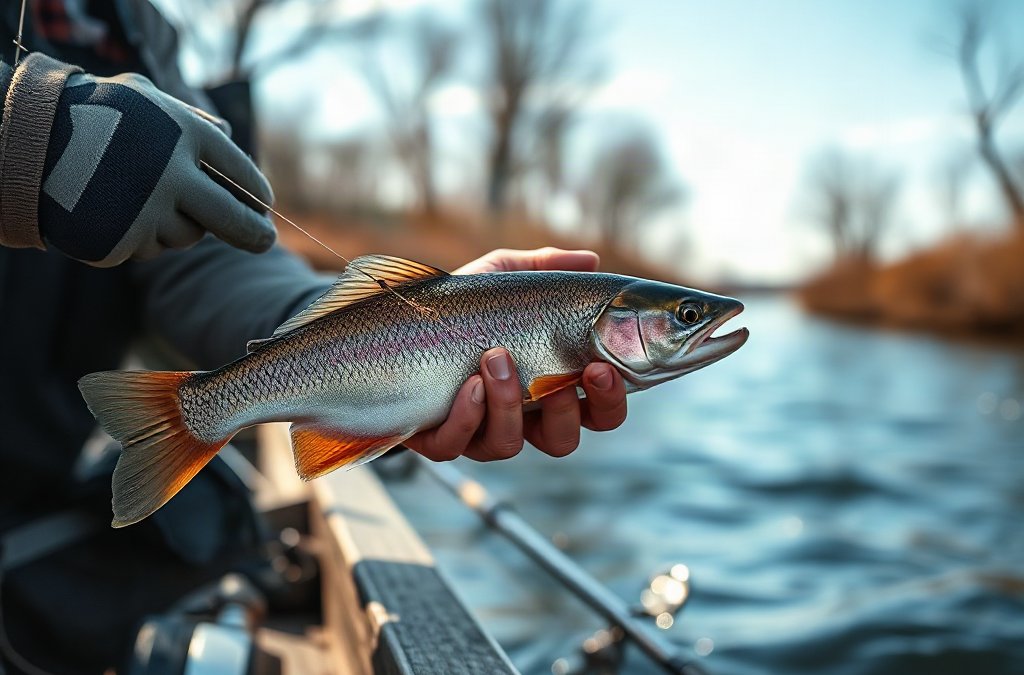
by Tips to Fishing Editorial Team | Sep 19, 2026 | Fishing Tips
Manage fishing time effectively by dividing the session into fixed blocks for setup, active searching, focused fishing, and pack-up rather than staying indefinitely in an unproductive spot. Prepare and rig tackle before reaching the water, choose a small number of likely areas, and set a time limit for testing each one.
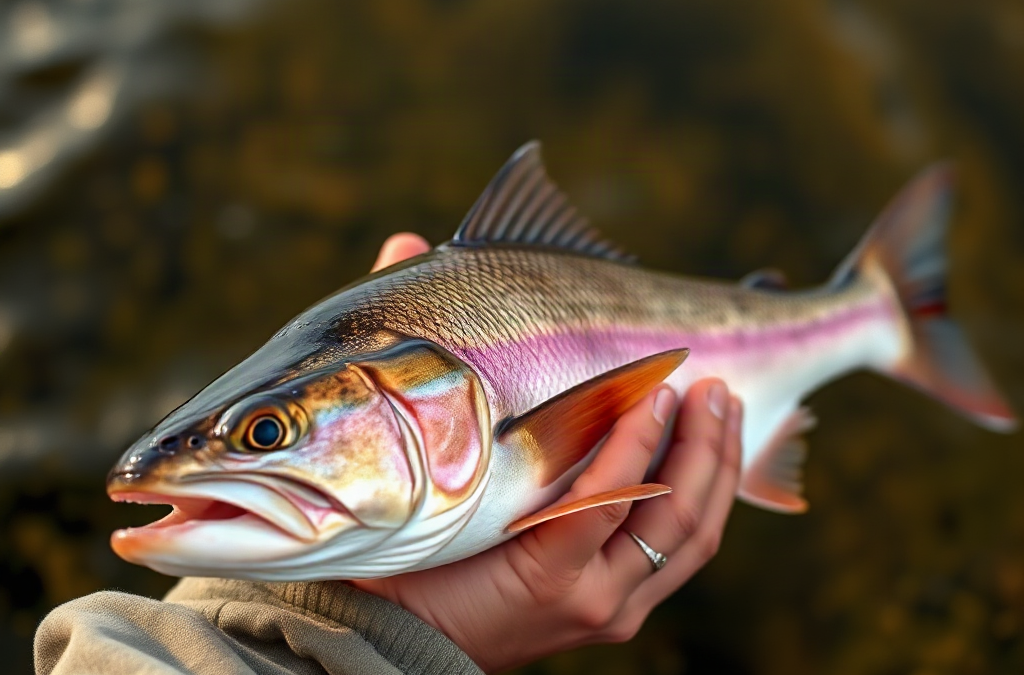
by Tips to Fishing Editorial Team | Sep 19, 2026 | Fishing Tips
If you catch a fish that appears diseased, minimize handling, keep it away from other fish, photograph visible abnormalities, and follow local harvest or release regulations. Do not move the fish to another body of water, place it in a livewell with healthy catches, or clean it where scraps can return to the water.
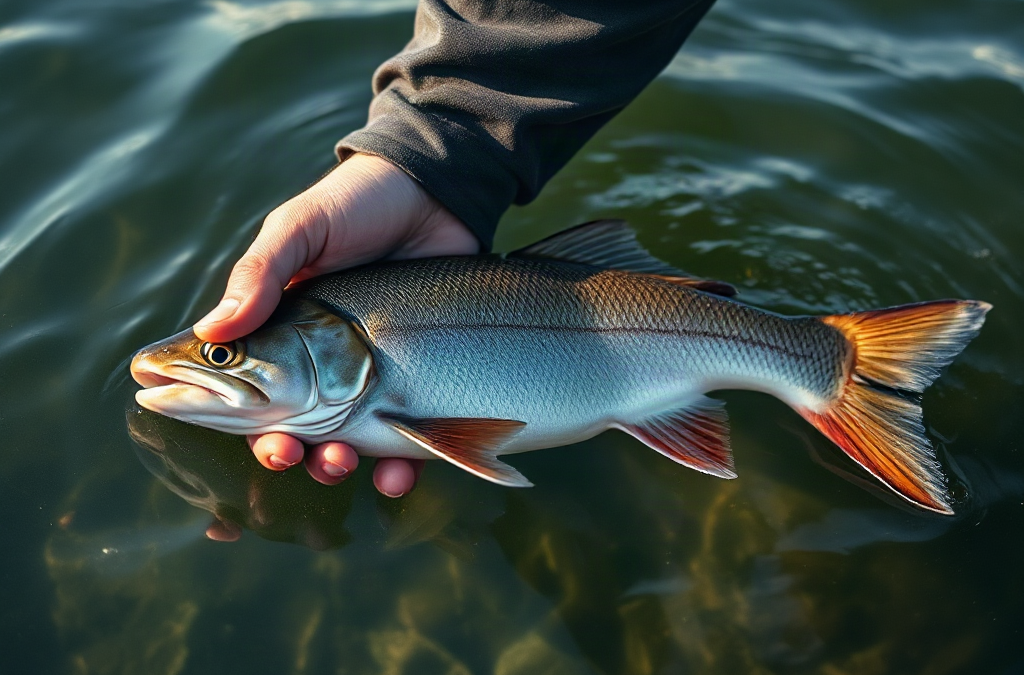
by Tips to Fishing Editorial Team | Sep 18, 2026 | Fishing Tips
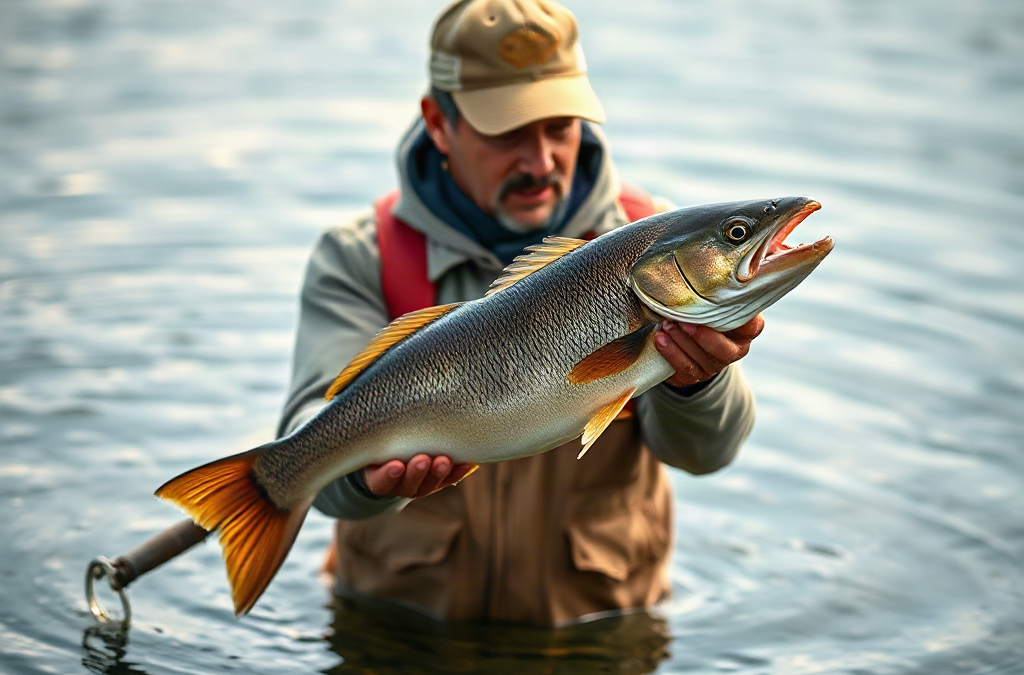
Handle fish safely by shortening the fight, preparing release tools before landing, keeping the fish in water, and removing the hook with minimal restraint. Wet your hands before contact, support the body horizontally, and never squeeze the abdomen, touch the gills, or suspend a heavy fish by its jaw.
by Tips to Fishing Editorial Team | Sep 18, 2026 | Fishing Tips
Improve your fishing skills through observation by watching water movement, fish activity, weather changes, and line behavior before changing locations or tackle. Spend the first few minutes identifying current seams, depth transitions, visible forage, shade, and surface disturbances, then use those clues to choose where and how to present your bait.
by Tips to Fishing Editorial Team | Sep 17, 2026 | Fishing Tips
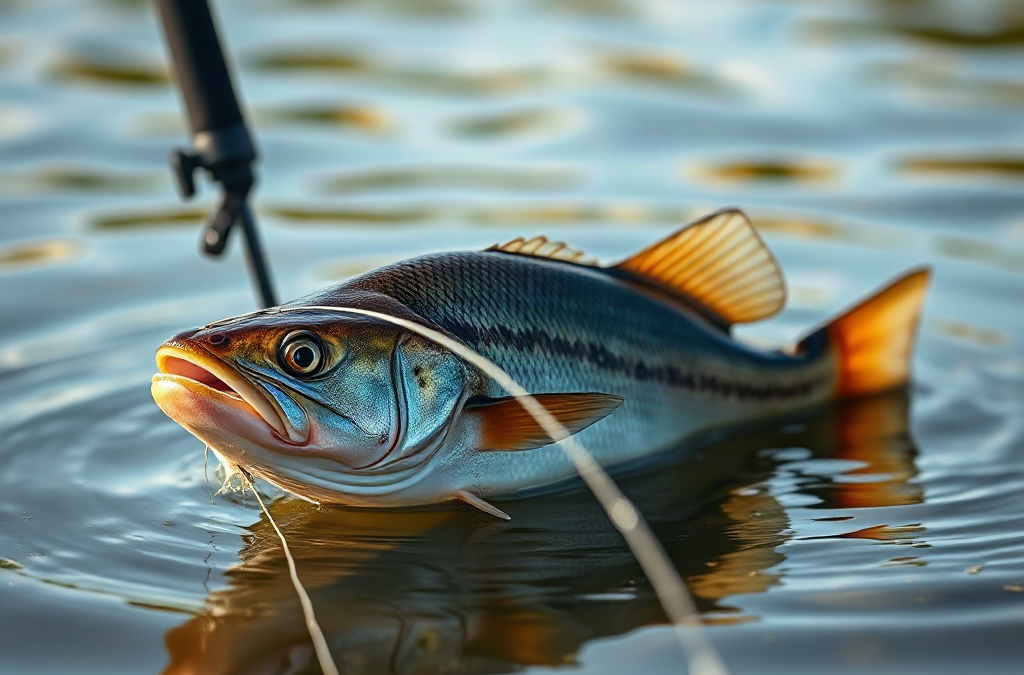
If fish are biting but not keeping, first determine whether they are missing the hook, dropping the bait, or coming unhooked during the fight. Downsize the hook and bait for light taps, expose the hook point, remove slack before setting, and match the hookset to the presentation rather than striking harder.


