
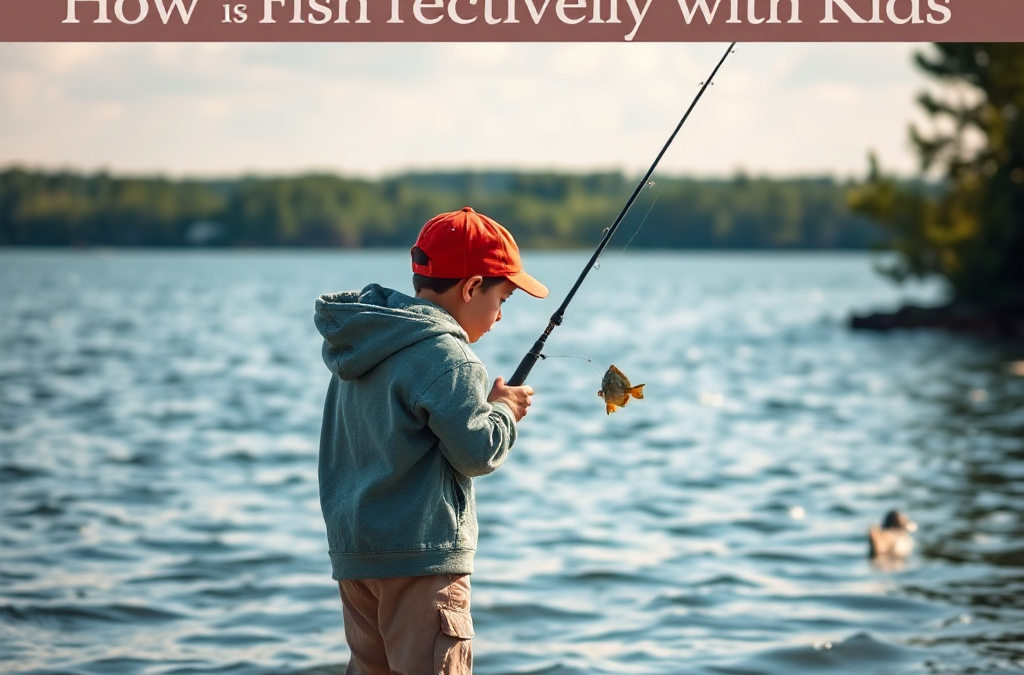
How to fish effectively with kids means designing a short, active outing around easy casting, visible fish activity, and frequent chances to participate. Choose a safe shoreline or dock, use a light spinning outfit with a simple bait or bobber rig, and practice casting before fishing begins. Keep sessions brief enough to finish before attention fades, rotate jobs such as baiting, casting, watching the float, and releasing fish, and bring water, snacks, sun protection, and basic first aid. Avoid teaching too many techniques at once; a tangled line or missed bite should become a calm demonstration rather than a criticism. Check local rules, permitted bait, size limits, and required licenses before leaving.
Choose a Child-Friendly Fishing Setup
A productive family fishing trip begins with equipment that reduces decisions rather than displaying every technique an experienced angler knows. A short or medium-light spinning rod paired with a straightforward reel is usually easier for a child to hold and operate than a baitcasting outfit. The goal is not maximum casting distance. It is giving the child enough control to place a bait near likely fish without fighting complicated brakes, thumb pressure, or heavy tackle.

Match the rig to the location and target. A bobber above a small hook and permitted bait gives a beginner something visible to watch, while a small lure can work once the child can cast and retrieve without constant help. A bobber is useful because it converts an unseen underwater event into an obvious signal, but it can drift into weeds or shallow cover. A lure allows more movement and exploration, yet it demands attention and repeated casting. Choose the option that creates the fewest tangles at that particular shoreline.
Prepare the tackle before arriving. Tie the rig at home, trim loose line, set the drag lightly enough for a child to turn the handle, and bring spare hooks, bobbers, and line. A child who waits while an adult rebuilds a rig may lose interest before the next cast. Keep a second rod ready if possible, but do not hand over a crowded tackle box. A small container with only the day’s hooks, weights, and bait makes the activity more manageable.
Use the same practical thinking found in how to fish effectively with kids: select reliability over novelty. A tiny hook may catch small fish but requires careful handling, while a larger hook may be easier to manage but reduce the available targets. Ask what the water can realistically provide, then build the simplest legal setup around that answer.
Plan the Outing Around Attention and Safety
Children usually fish more effectively when the outing has a clear stopping point, nearby activity, and little waiting. Pick a location with stable footing, shade or shelter, easy access to restrooms when available, and enough open space behind the caster to avoid snagging people or branches. A quiet pond, managed lake access, or broad dock may be more suitable than a remote bank requiring a long hike and constant supervision.
Safety changes the location choice more than fish size does. Keep hooks secured whenever someone walks, establish a casting direction, and identify the area where a child may stand. Life jackets are appropriate near water when conditions or local rules call for them, especially for children who are not confident swimmers. Sunglasses or protective eyewear can reduce the chance of injury from a swinging hook, and adults should handle unhooking when a fish or hook is difficult to control.
Schedule the first trip for a time when the child is rested. Early or late periods may offer favorable fish activity, but a supposedly ideal bite window is not useful if the child is hungry, cold, or tired. Pack water, food, sunscreen, insect protection, extra clothing, hand wipes, and a towel. A snack break is not a failure in the fishing plan; it can prevent a minor discomfort from ending the outing.
Set a modest plan before casting: perhaps ten minutes of instruction, a block of fishing, a break, and a final activity such as exploring the bank or taking a photograph. An adult who insists on staying until the fish bite may turn a promising trip into an unpleasant memory. If the child begins watching the road, repeatedly asking to leave, or handling the rod carelessly, shorten the session. Ending while the experience is still manageable is often wiser than forcing another hour.
Teach Casting, Bites, and Fish Handling
Teach one physical task at a time, beginning with a safe practice cast that uses no hook or uses a secured practice plug. Show where the feet go, how the rod points, when the line is released, and where the lure or bait should land. Children learn faster from a short demonstration followed by several attempts than from a long explanation filled with fishing vocabulary. Stand beside the child rather than behind the casting arm so you can guide the motion without pulling unpredictably on the rod.
Distance is a poor first measure of success. A cast that lands ten feet away in an open patch may be better than a longer cast that crosses weeds, docks, or another angler’s line. Give the child a visible target such as a floating marker or a clear area near cover. Once the motion is consistent, add distance gradually. The line should leave smoothly; if it piles near the feet, check the bail, line twist, and release timing before asking for more force.
Explain what a bite looks like for the chosen rig. With a bobber, a dip, sideways movement, or disappearance may signal activity, but wind and drifting weeds can create false alarms. Tell the child to call you when the float changes, then help them lift the rod and reel steadily rather than making a hard upward jerk. With a lure, teach them to notice a change in weight, a tap, or a sudden stop. The response depends on the hook and target, so an adult may need to assist until the child recognizes the difference between bottom contact and a fish.
Fish handling deserves the same calm instruction as casting. Wet hands before touching a fish, support it close to the water, keep it out of the air only briefly, and release it gently when regulations and conditions allow. Adults should remove deeply embedded hooks or use a tool when appropriate. A child can participate by holding the net, observing the release, or taking a quick photograph. The priority is a safe interaction, not a posed picture.
A simple role rotation keeps the trip active: one person watches the float, another manages the net, and another checks the bait. Rotate before frustration develops. A child who is not ready to cast independently can still make meaningful decisions about where to place the bobber or when to reel in.
Fix Common Problems Without Losing Momentum
Tangles, missed bites, and empty stretches are normal parts of fishing with children, but the adult response determines whether they become useful lessons or reasons to quit. When a line tangles, move the rod out of the child’s hands if a hook is exposed, identify the immediate cause, and rebuild only what is necessary. Do not turn a ten-minute repair into a technical lecture. If the same rig tangles twice, switch to a simpler arrangement or shorten the cast.
Missed fish often result from reacting too quickly. A child may strike at every bobber movement because wind, insects, and submerged vegetation look similar to bites. Ask the child to describe what happened, then make one adjustment: wait for the float to move decisively, place the bait at a different depth, or check whether the hook is still baited. A missed fish is more instructive when the next cast tests a specific change.
Silence does not necessarily mean the child is doing something wrong. Fish may be inactive, the bait may be at the wrong depth, or the chosen location may hold little cover. Give the spot a reasonable trial, then change one variable at a time. Move a few yards, adjust the bobber depth, refresh the bait, or try a different target area. Changing everything at once makes it impossible to know what helped and can overwhelm a beginner.
Adults also create avoidable problems by taking control too often. Correcting every hand position can make the child feel like a passenger. Offer help when safety, a lost fish, or equipment damage requires it; otherwise allow imperfect casts and small mistakes. The tradeoff is slower technique development in exchange for ownership of the activity. That tradeoff is usually worthwhile on an introductory trip.

Use how to fish effectively with kids as a decision question during the outing: is the current choice giving the child a clear action, a reasonable chance to observe a result, and a safe way to recover when it fails? If not, simplify the task before changing the location.
Build a Repeatable Family Fishing Routine
A repeatable routine makes future trips easier because the child knows what happens before, during, and after fishing. Begin with a short gear check, a casting demonstration, and a clear boundary near the water. During the session, give the child ownership of one task, such as checking the float, choosing between two bait locations, or counting casts. Finish with gear cleaning, a catch record if fish were caught, and a conversation about what should change next time.
Track observations rather than treating the outing as a pass-or-fail test. Note the weather, time, water clarity, bait, depth, and whether fish activity appeared near weeds, shade, rocks, or open water. Children can draw the spot or mark where the float moved. These records gradually connect visible conditions to fishing decisions without requiring advanced instruction. They also make a fishless trip more meaningful because the family still gathers information.
Choose the next challenge based on the child’s current control. If casting is still inconsistent, keep the bobber rig and work on accuracy. If casting is comfortable but waiting is difficult, use a lure that requires a slow retrieve or add a short exploration break. If the child can safely reel and assist with landing, introduce a net or a different bait presentation. Advancing too quickly to specialized gear often adds adult workload without adding enjoyment.
Keep expectations realistic. Some outings produce several fish, while others provide practice with knots, wildlife observation, or reading the shoreline. A productive family session may last less than an adult’s preferred fishing day. Prioritize the child leaving with a clear memory of what they controlled and what they want to try next. That approach is more durable than measuring the trip only by the number of fish caught.
For a practical pre-trip reference, return to how to fish effectively with kids and check the basics: legal access, local fishing rules, simple tackle, safe footing, food and water, and an exit plan.
Before leaving, consult the official fishing regulations for the state or province where you will fish. Those pages typically explain licenses, seasons, permitted tackle, size limits, harvest rules, and access requirements. Local parks, fish-and-wildlife agencies, and boating-safety authorities can also provide location-specific information that a general fishing article cannot replace.
Frequently Asked Questions
What age is suitable for a first fishing trip?
Any age can work if the activity matches the child’s abilities. Very young children may enjoy watching a float, touching safe gear, and helping with a short cast, while older children may manage casting and reeling with supervision.
Should children use bait or lures first?
Bait under a bobber is often easier because the float provides a visible signal. A small lure may be better when constant casting and movement suit the child’s attention span or when bait is not permitted.
How long should a family fishing trip last?
Plan a flexible session rather than a fixed endurance test. Thirty to ninety minutes of active fishing may be enough for a beginner, especially when breaks, travel, weather, and the child’s energy are included.
How can an adult reduce hook accidents?
Use a clear casting zone, secure the hook during movement, keep spectators behind the caster, and consider protective eyewear. Adults should handle difficult unhooking and any tackle that a child cannot safely control.
What should we do if no fish bite?
Change one factor at a time, such as bait depth, position, or bait condition, and give each change a reasonable trial. Add a shoreline observation activity or end early rather than making the child wait through mounting frustration.
Further Reading
Authoritative Sources
- Academy of Nutrition and Dietetics
eatright.orgProfessional nutrition guidance, healthy eating resources, and practical dietitian-reviewed advice.
- U.S. Department of Agriculture
usda.govOfficial food, nutrition, agriculture, and consumer guidance from the USDA.
- NIH Office of Dietary Supplements
ods.od.nih.govResearch-based fact sheets on nutrients, supplements, dietary intake, and safety considerations.
- International Society of Sports Nutrition
sportsnutritionsociety.orgEvidence-informed sports nutrition resources and position stands for active people and athletes.
Conclusion
Effective fishing with kids depends less on advanced tackle than on giving a child safe control over a manageable sequence of actions. Choose an accessible location, prepare a simple rig, and explain one skill before adding another. Use a bobber, bait, or lure that creates a clear signal, but change the plan when tangles, fatigue, weather, or weak fish activity make the setup unsuitable. Rotate practical jobs so the child remains involved even when an adult handles hooks or landing. Keep the first outing short enough to finish positively, then use the child’s questions and observations to choose the next challenge. Check local rules before every trip, and measure success by skill, attention, and curiosity as well as by the catch.

