
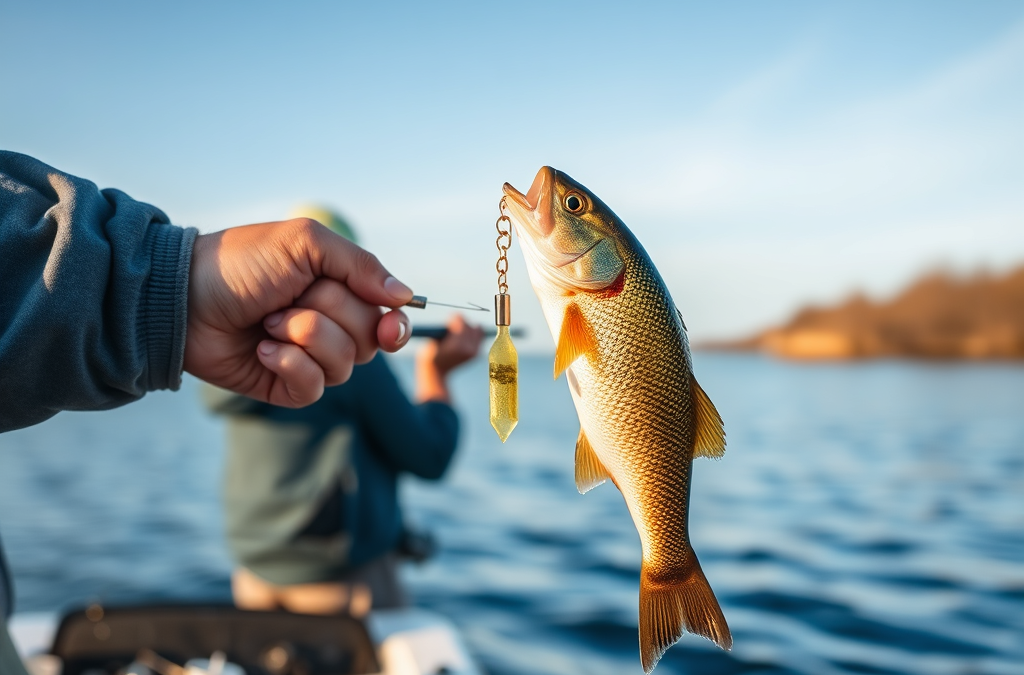
To identify the right bait for specific fish species, start by understanding their natural diets and habitats. For example, species like bass and trout often respond well to live bait such as worms or small minnows, which mimic their natural food sources. Additionally, consider the fishing environment; fast-moving waters may require baits that replicate the swift movements of prey, while still waters might benefit from different bait strategies. Avoid common mistakes, such as using bait that doesn’t match the fish's diet or habitat, as this can significantly reduce your chances of success. By tailoring your bait selection to the specific fish you are targeting, you can enhance your fishing experience and increase your catch rate.
Understanding Fish Diets and Habitats
Fish species have unique diets influenced by their habitats, which is crucial for identifying the right bait. For instance, larger predatory fish like pike and bass thrive in areas with abundant smaller fish, while bottom feeders like catfish prefer environments rich in organic matter. By understanding what specific fish eat and where they live, anglers can choose baits that closely mimic their natural prey.

For example, if targeting trout, consider using worms or small minnows, as these are common in their diet. Knowing the habitat—whether it’s a river, lake, or ocean—also helps in bait selection. Fish in fast-moving waters may prefer baits that mimic the swift movements of their natural prey, whereas still waters might require different strategies.
Types of Bait and Their Effectiveness
Choosing the right type of bait can significantly enhance your fishing success. Live bait, such as worms, minnows, and insects, is often more appealing to fish due to its natural movement and scent. For instance, using nightcrawlers can be particularly effective for species like trout and bass.
On the other hand, artificial lures can also be effective, particularly when designed to mimic the appearance and movement of prey. Spinnerbaits, crankbaits, and jigs can attract predatory fish by imitating the action of injured or fleeing prey. Each type of bait has its strengths and is suited for different fishing conditions.
Seasonal Considerations for Bait Selection
Fish behavior changes with the seasons, affecting bait effectiveness. In spring, for example, fish are often more active and may respond well to faster-moving lures or live bait. As water temperatures rise in summer, fish may seek cooler depths, making it essential to adjust bait accordingly.
During fall, fish begin to feed heavily in preparation for winter, making this an excellent time for larger baits that mimic the fish’s natural diet. In winter, many species become lethargic, requiring slower presentations and possibly different bait types, such as ice fishing lures for species like perch or walleye.

Common Mistakes in Bait Selection
One of the most common mistakes anglers make is not matching their bait to the local fish species. This can lead to frustration when fish simply ignore your offerings. Additionally, using bait that is too large or too small for the target species can be ineffective.
Another pitfall is failing to consider the environmental conditions. Weather, water clarity, and temperature all influence fish behavior and may require adjustments in bait choice. For example, in murky waters, brighter or larger baits can help attract fish, while in clear waters, more natural and subtle options may be more effective.
In practice, strong results with How to Identify the Right Bait for Specific Fish Species: Key Factors and Effective Choices usually come from repeating the same few priority actions long enough for them to become consistent. That means focusing on one clear standard, removing mixed signals, and watching what changes the outcome over several days instead of reacting to one isolated result. Small adjustments tend to work better than constant resets, because they make it easier to see what is actually helping and what is slowing progress.
Further Reading
Authoritative Sources
- Library of Congress Research Guides
guides.loc.govResearch guides that help readers locate reliable background sources on a wide range of subjects
- USA.gov Official Information and Services
usa.govOfficial U.S. government information and public resources for practical reference
- Google Scholar
scholar.google.comAcademic search resource for finding research literature and source material

