by Tips to Fishing Editorial Team | Aug 18, 2026 | Fishing Tips
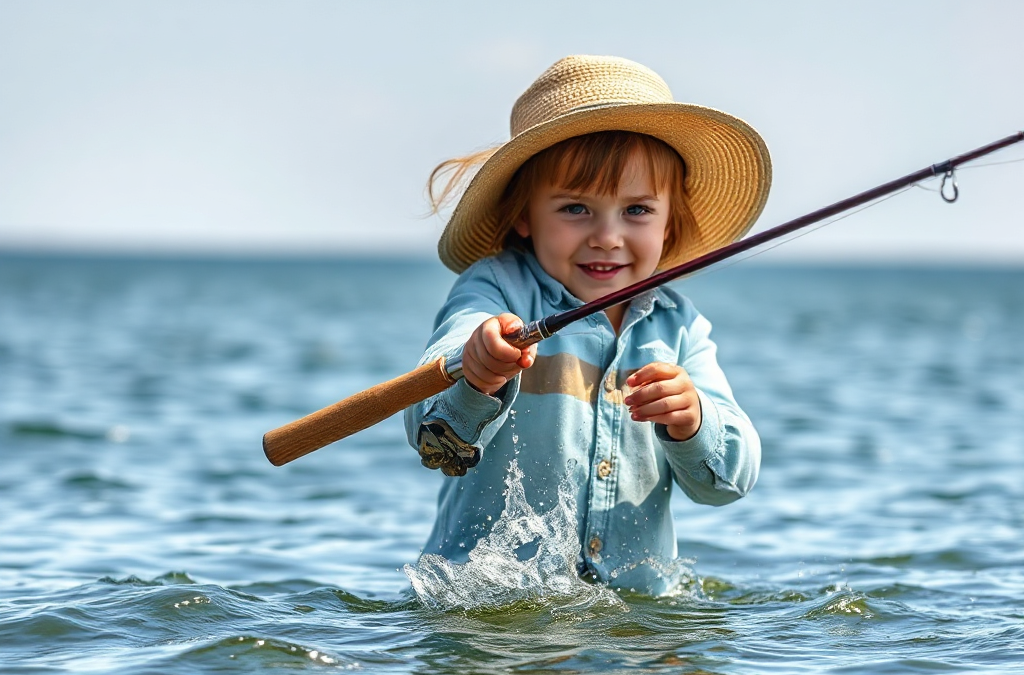
The best strategies for fishing with kids combine short activity periods, simple tackle, accessible water, clear safety rules, and realistic expectations about catching fish. Use a lightweight rod with a forgiving bobber rig, choose a spot with shade and nearby facilities, and let children handle age-appropriate tasks such as baiting, casting, or watching the float.
by Tips to Fishing Editorial Team | Aug 17, 2026 | Fishing Tips
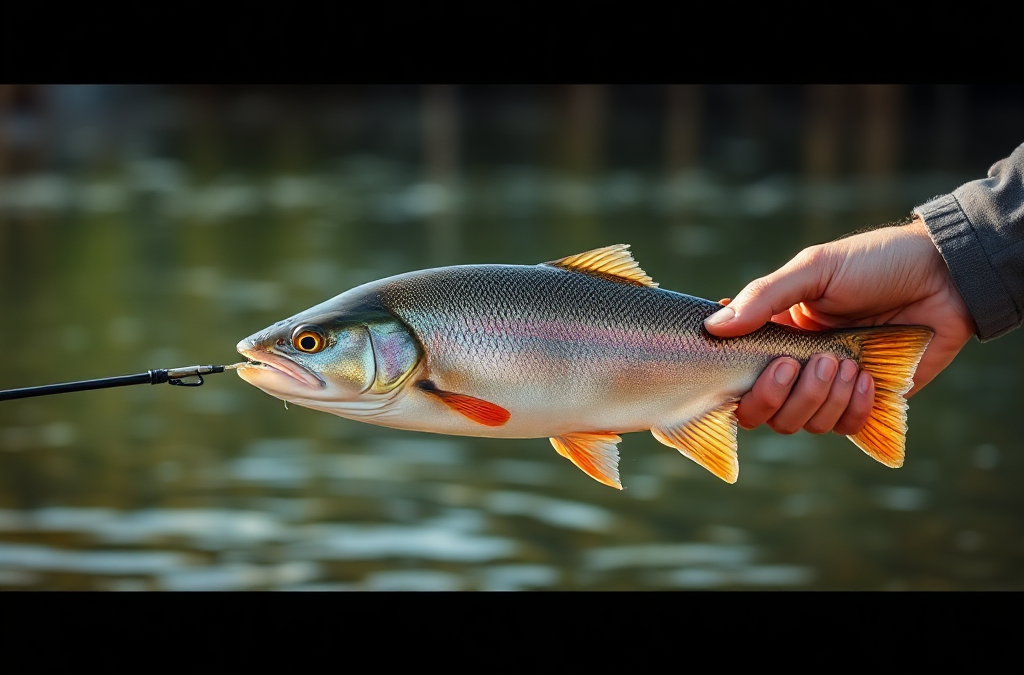
Recognizing the signs of a fish bite means separating deliberate changes in line tension, rod pressure, or lure movement from wind, current, weeds, and bottom contact. Watch for a sideways line shift, a repeated tap, a sudden slack line, or weight that moves against your retrieve.
by Tips to Fishing Editorial Team | Aug 17, 2026 | Fishing Tips
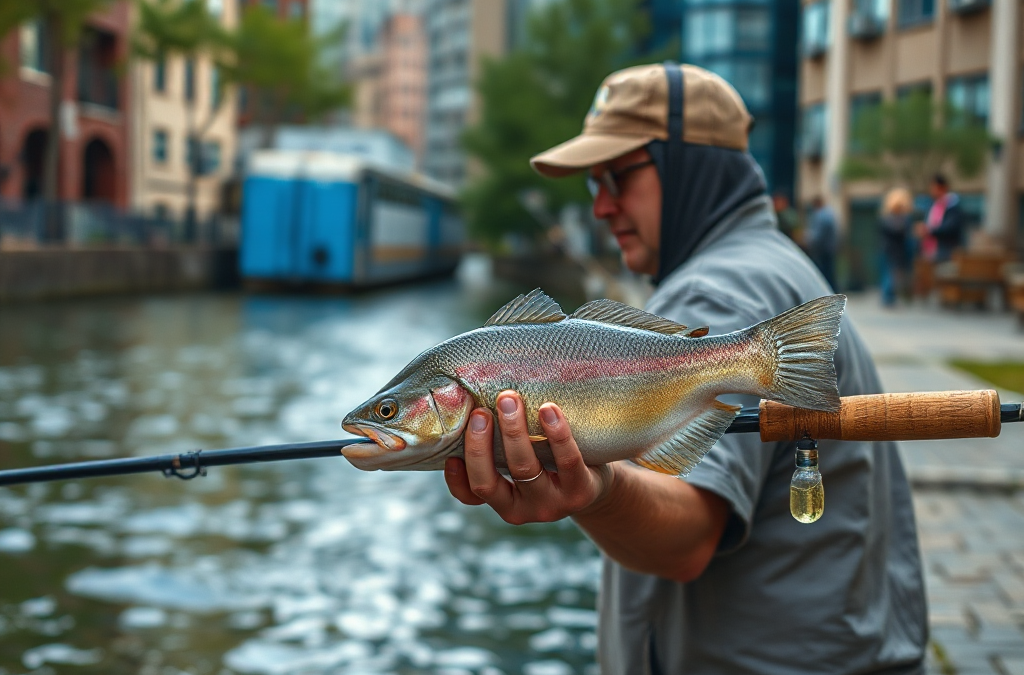
How to fish effectively in urban settings means selecting legal, accessible water, reading man-made cover, and adjusting tackle for short casts, pressured fish, and changing water quality. Check local access rules and consumption advisories before fishing, then focus on current seams, shaded edges, drains, bridge supports, and other places that concentrate food.
by Tips to Fishing Editorial Team | Aug 16, 2026 | Fishing Tips
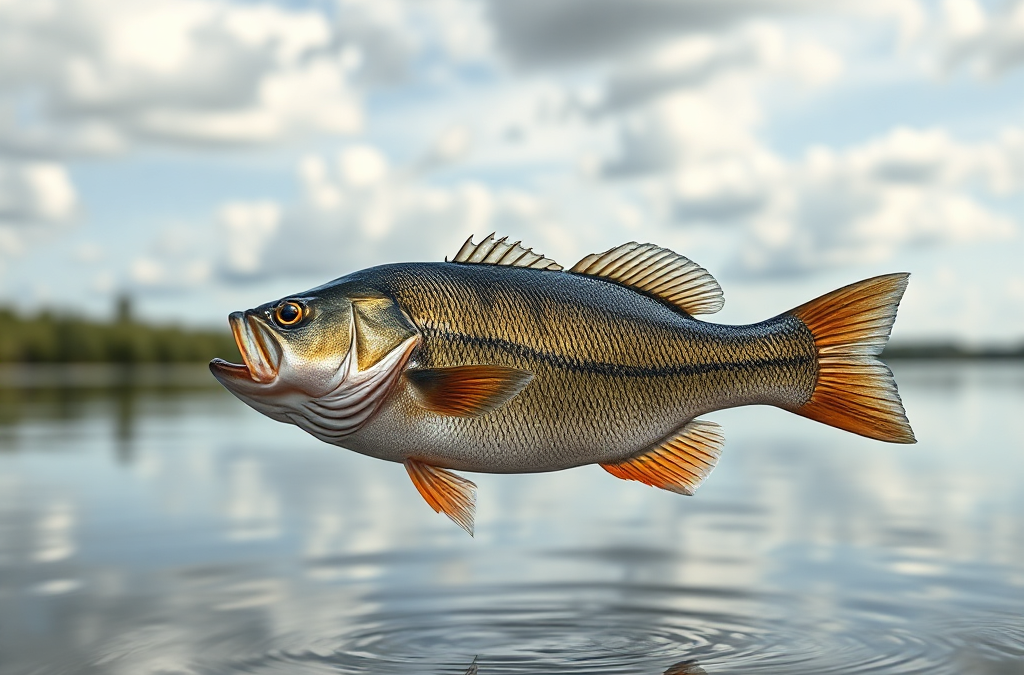
Choosing the right fishing spot for bass means locating structure near a depth or cover change, then matching that location to season, weather, forage, and water movement. Start by checking points, creek channels, submerged vegetation, docks, rocks, and laydowns rather than casting randomly across open water.
by Tips to Fishing Editorial Team | Aug 16, 2026 | Fishing Tips
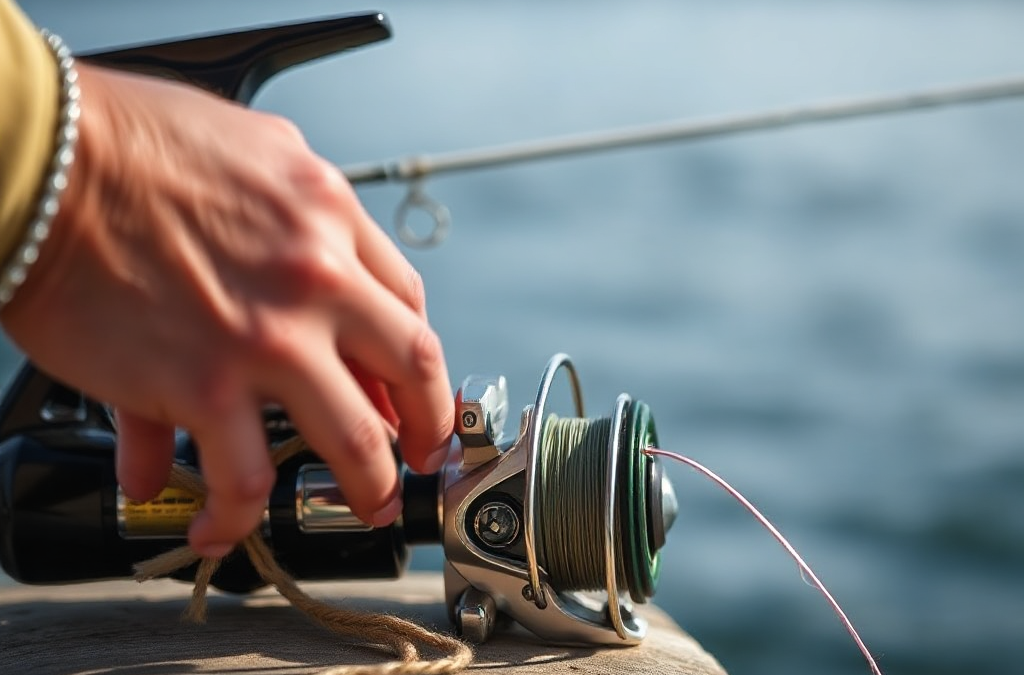
When your fishing line keeps tangling, stop casting, remove the loose coils, and check whether line twist, excess slack, an overfilled spool, or a damaged guide is creating the problem. On spinning gear, open the bail and pull line off under light tension before trimming damaged sections; then inspect the…
by Tips to Fishing Editorial Team | Aug 15, 2026 | Fishing Tips
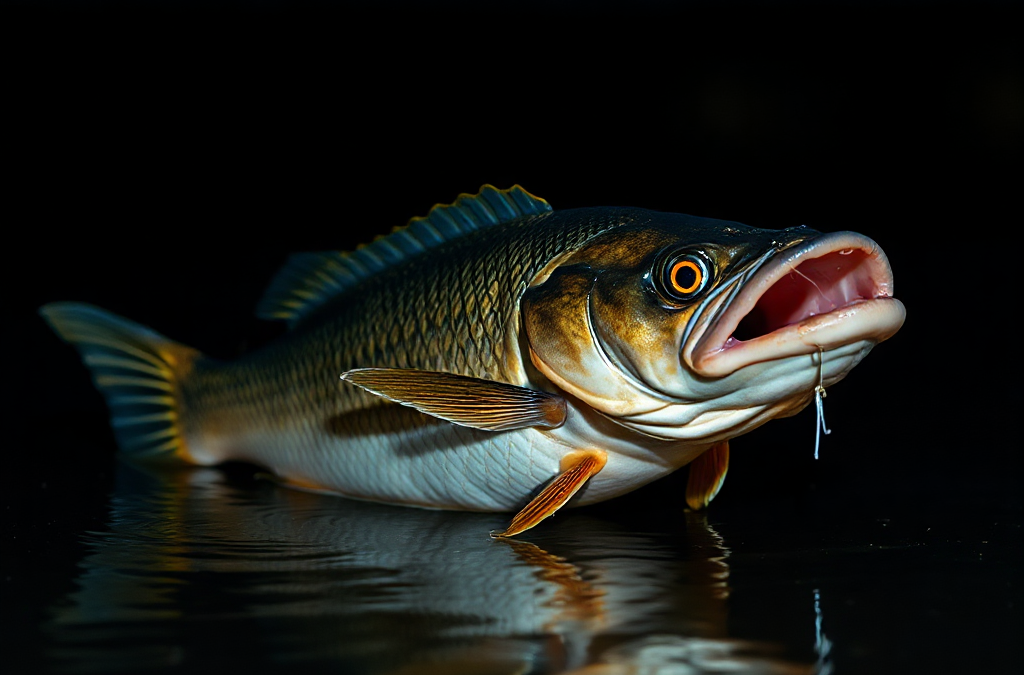
Common errors when fishing for catfish at night include choosing unproductive water, using poorly presented bait, creating too much disturbance, and failing to monitor tackle and safety conditions. Catfish may move shallow after dark, but they still respond to depth, current, cover, water temperature, and available food rather than darkness alone.


