by Tips to Fishing Editorial Team | Aug 15, 2026 | Fishing Tips
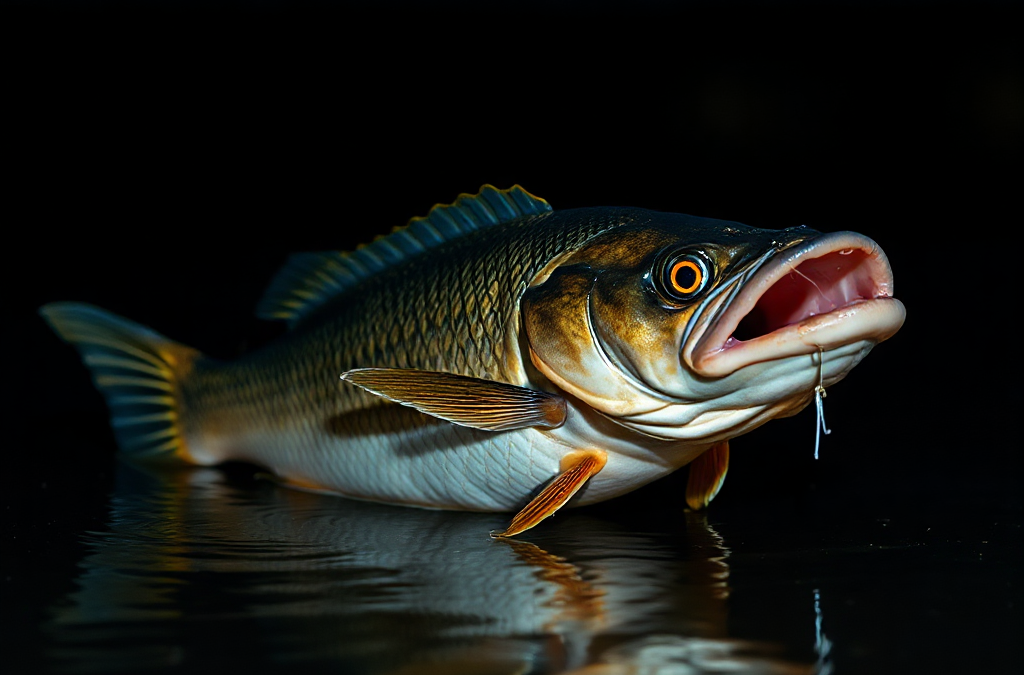
Common errors when fishing for catfish at night include choosing unproductive water, using poorly presented bait, creating too much disturbance, and failing to monitor tackle and safety conditions. Catfish may move shallow after dark, but they still respond to depth, current, cover, water temperature, and available food rather than darkness alone.
by Tips to Fishing Editorial Team | Aug 15, 2026 | Fishing Tips
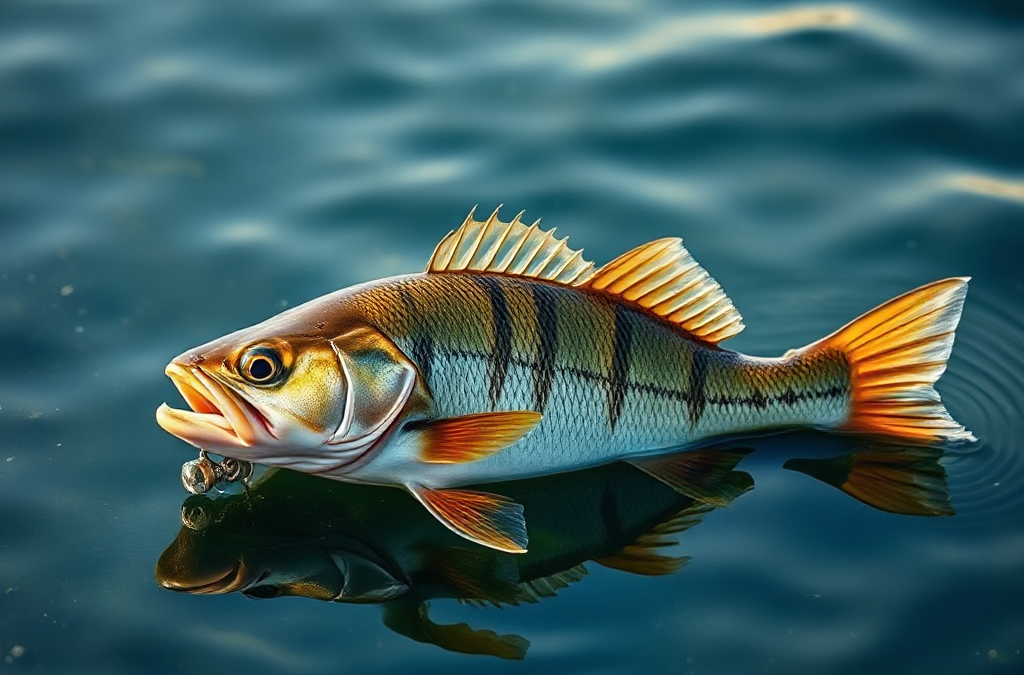
Adapt your bait for different fish species by matching its size, scent, movement, and placement to the food each species naturally hunts. Bass often respond to bulky, mobile offerings near cover, while trout may favor smaller insects, minnows, or drifting bait presented with little added movement.
by Tips to Fishing Editorial Team | Aug 14, 2026 | trout fishing
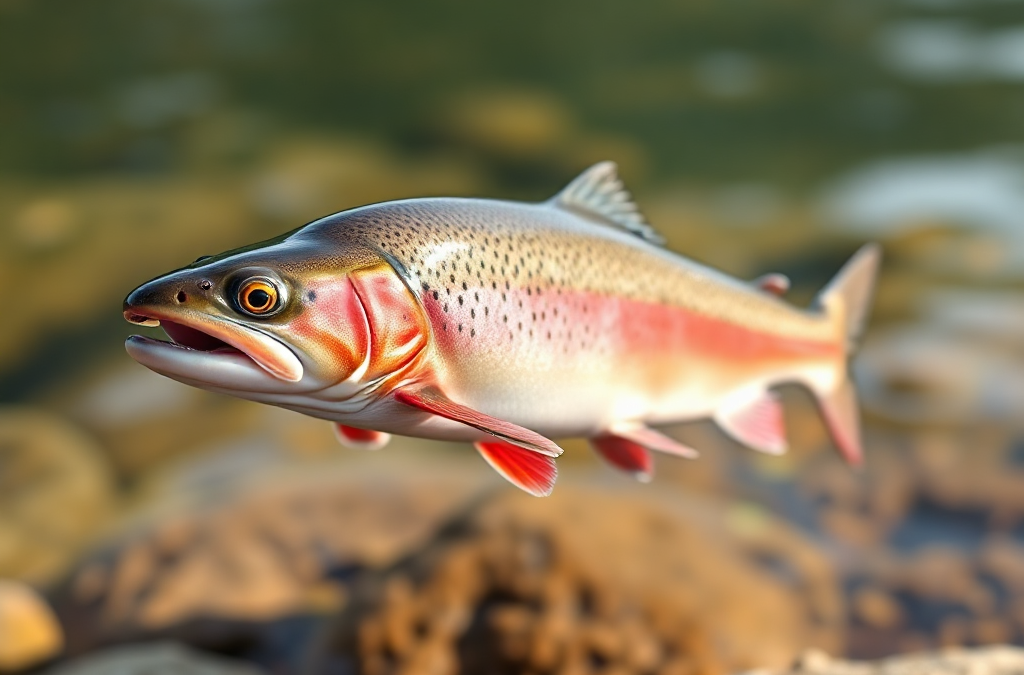
Identify the best baits for trout fishing by matching the bait to the trout’s available food, water temperature, clarity, depth, and fishing pressure. Begin by checking the shoreline and current for insects, worms, minnows, or other forage, then choose a natural bait or artificial imitation that resembles what trout can already find.
by Tips to Fishing Editorial Team | Aug 14, 2026 | Fishing Tips
When fishing in current, consider water speed, depth changes, eddies, fish-holding structure, lure control, line angle, and safe footing before choosing a presentation. Strong flow pushes food toward seams, rocks, drop-offs, and sheltered pockets, so fish often save energy by facing into the current near slower water.
by Tips to Fishing Editorial Team | Aug 14, 2026 | Fishing Tips
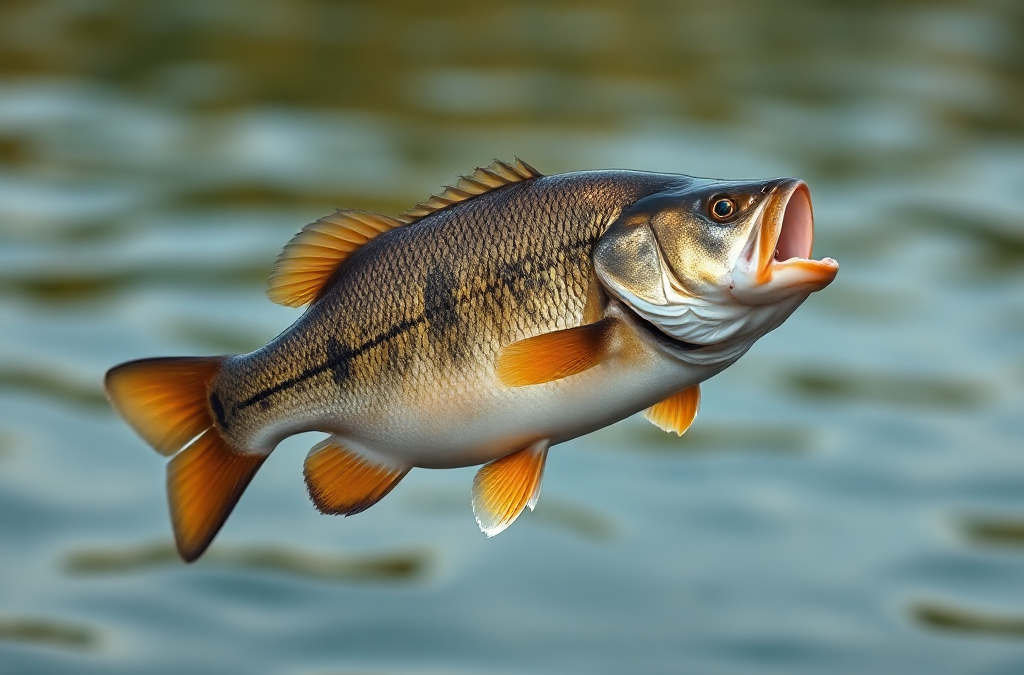
Adjust your fishing strategy for different species by matching location, forage, depth, tackle, and retrieve to the fish’s feeding behavior rather than using one reliable pattern everywhere. Bass often respond to cover, vibration, and changing water temperature, while trout may require lighter line, smaller offerings, and careful attention to current or insect activity.


