
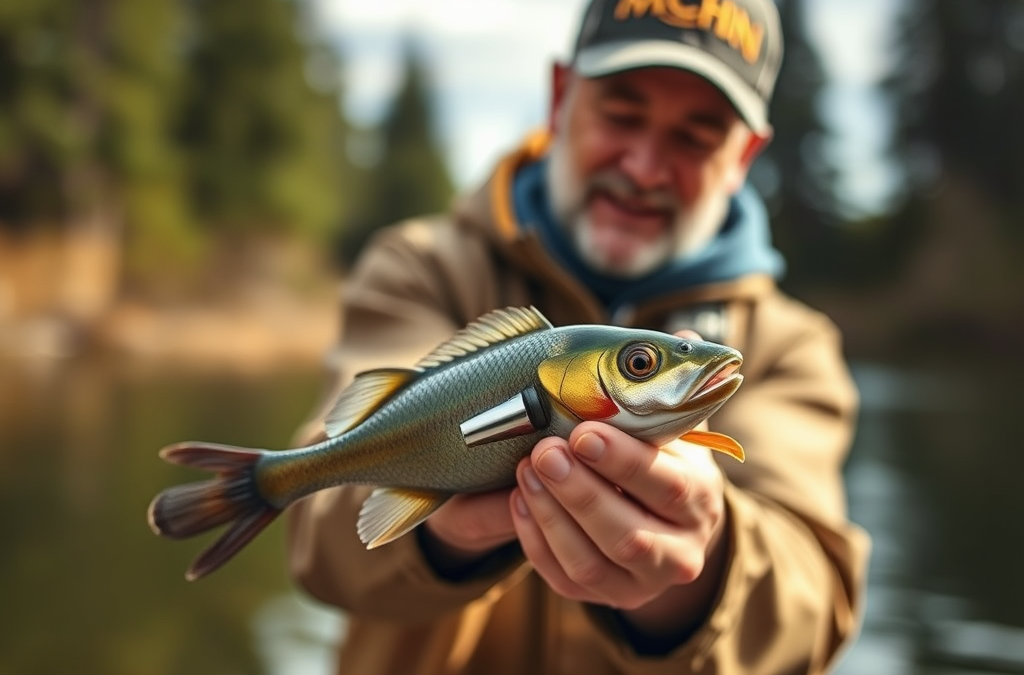
To tell if your fishing tackle is outdated, regularly inspect your gear for physical signs of wear such as frayed lines, rusted hooks, or malfunctioning reels. If your tackle lacks modern features like advanced drag systems or lightweight materials, it may hinder your performance. Additionally, monitor your catch rates; a decline could indicate that your equipment is no longer effective. Upgrading to newer technology can significantly enhance your fishing experience and success.
Identifying Physical Signs of Wear
Physical signs of wear are among the most straightforward indicators that your fishing tackle may be outdated. Items like fishing lines, rods, and reels can degrade over time due to exposure to elements such as sun, water, and salt. Inspecting your gear regularly for these signs is crucial. Look for frayed lines, which can break under stress, or rusted hooks that may not penetrate effectively.

Additionally, inspect your reels for smooth operation. If the drag is inconsistent or the gears are grinding, it may be time for a replacement. A common mistake is assuming that tackle can last indefinitely; however, regular maintenance and timely replacement can significantly impact your fishing success.
Assessing Technological Advancements
The fishing tackle industry is continually evolving, with new technologies improving performance and usability. To determine if your tackle is outdated, research the latest advancements in gear. For example, modern fishing rods often utilize lighter materials like carbon fiber, offering better sensitivity and strength compared to older fiberglass models.
Moreover, advancements in reel technology, such as improved drag systems and smoother retrieval mechanisms, can enhance your overall fishing experience. If your tackle lacks features found in current models, it might be worth considering an upgrade. Remember, utilizing outdated technology can limit your effectiveness on the water.
Evaluating Your Fishing Success Rates
Your success rates can provide valuable insight into whether your tackle is outdated. If you notice a decline in catches or struggle to hook fish that you previously caught with ease, it may indicate that your gear is no longer effective. Assess your performance over several fishing trips and compare it to past experiences.
Consider factors like the type of fish you’re targeting and the conditions you’re fishing in. If your tackle isn’t suited for the current conditions or the species you’re targeting, it may be time to update your gear. Additionally, consult with fellow anglers or local tackle shops for advice on what gear is currently performing well.
Frequently Asked Questions
How often should I replace my fishing tackle?
It is recommended to evaluate your tackle at least once a season and replace any worn or outdated gear as needed.
What are the signs that my fishing line needs to be replaced?
Signs include visible fraying, discoloration, or if it has lost its elasticity. If you experience frequent breaks, it's time to replace it.
Can outdated tackle affect my fishing success?
Yes, outdated tackle can hinder performance and reduce catch rates due to inefficiencies and technological limitations.
Are there specific brands known for high-quality fishing tackle?
Brands like Shimano, Penn, and Daiwa are often recognized for their quality and innovative fishing tackle.
How can I maintain my fishing tackle to prolong its life?
Regularly clean your gear after use, store it in a dry place, and perform routine inspections to identify issues early.
Further Reading
Authoritative Sources
- Library of Congress Research Guides
guides.loc.govResearch guides that help readers locate reliable background sources on a wide range of subjects
- USA.gov Official Information and Services
usa.govOfficial U.S. government information and public resources for practical reference
- Google Scholar
scholar.google.comAcademic search resource for finding research literature and source material
Conclusion
Identifying outdated fishing tackle is essential for ensuring a successful fishing experience. By regularly inspecting your gear for physical signs of wear, staying informed about technological advancements, and evaluating your fishing success, you can make informed decisions about when to upgrade your tackle. Prioritize quality and performance in your gear to enhance your fishing outcomes.

