
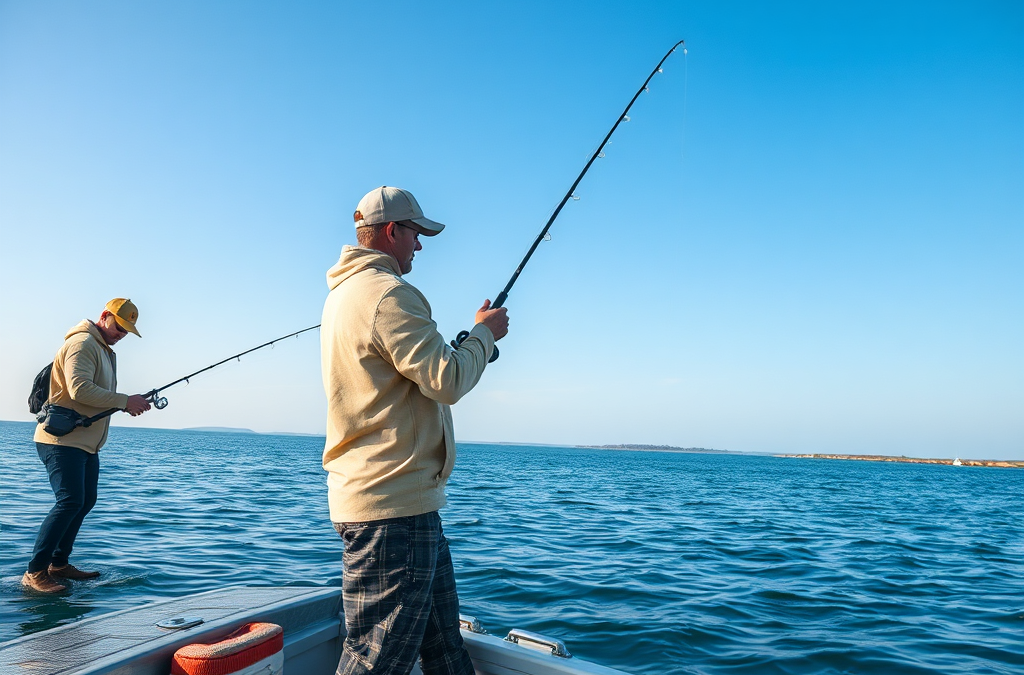
If you encounter fishing restrictions, start by consulting local regulations through state wildlife agencies or official websites to understand the specific rules in your area. It's essential to be aware of seasonal closures, catch limits, and size restrictions that may affect your fishing plans. Consider looking for alternative fishing locations that are open or less restricted. Engaging with local fishing communities can also provide valuable insights and advice on how to adapt to these regulations while still enjoying your fishing experience. Always prioritize compliance to protect fish populations and avoid penalties.
Understanding Fishing Restrictions
Fishing restrictions are regulations set by local authorities to protect fish populations, maintain ecological balance, and ensure sustainable fishing practices. These restrictions can vary widely based on location, species, and environmental conditions. Understanding these regulations is crucial for any angler, as they not only help conserve fish populations but also ensure that fishing remains a viable activity for future generations. Violating these restrictions can lead to hefty fines and potentially damage local ecosystems.

One common misconception is that restrictions are solely punitive. In reality, they are often implemented in response to declining fish populations or environmental concerns. For example, if a particular species is overfished, local authorities may impose a catch limit or a seasonal closure to allow the population to recover. Being aware of these regulations can enhance your fishing experience and contribute to the overall health of aquatic ecosystems.
Common Types of Fishing Restrictions
Fishing restrictions can take several forms, each designed to address specific ecological or regulatory concerns. Here are some of the most common types:
- Seasonal Closures: Certain areas may be closed to fishing during specific months to protect spawning fish. For instance, many regions prohibit fishing for certain species during their breeding season.
- Catch Limits: These regulations specify the maximum number of fish an angler can keep in a day. Limits can vary by species and are designed to prevent overfishing.
- Size Limits: Some regulations dictate a minimum or maximum size for fish that can be kept. This ensures that juvenile fish have the chance to mature and reproduce.
- Gear Restrictions: Certain fishing methods or equipment may be prohibited in specific areas to protect sensitive habitats or species. For example, using nets in designated catch-and-release areas may be restricted.
Understanding these restrictions not only keeps you compliant with the law but also supports sustainable fishing practices. Always check local regulations before heading out, as they can change frequently based on environmental assessments.
How to Find Local Fishing Regulations
Finding accurate and up-to-date fishing regulations is essential for any angler. Here are effective ways to locate this information:
- State Wildlife Agencies: Most states have a wildlife agency or department that publishes fishing regulations. Their websites often provide comprehensive information on local restrictions, seasonal changes, and species-specific rules.
- Fishing Licenses: When purchasing a fishing license, you often receive a booklet or a link to online resources that detail local regulations. Familiarize yourself with these materials to avoid any surprises.
- Local Fishing Shops: Local tackle shops are invaluable resources. The staff is usually knowledgeable about current conditions and any recent changes to regulations.
- Online Forums and Communities: Engaging with local fishing communities online can provide insights into current restrictions and local hotspots. Websites like fishing forums or social media groups can be beneficial for real-time updates.
By utilizing these resources, you can ensure that you remain informed and compliant with local fishing regulations, enhancing your fishing experience while contributing to conservation efforts.
Adapting Your Fishing Plans
When faced with fishing restrictions, adapting your plans is crucial for a successful fishing trip. Here are some strategies to consider:
- Explore Alternative Locations: If your preferred fishing spot is closed, look for nearby lakes, rivers, or coastal areas that are open. Many regions have multiple fishing sites, and discovering a new location can enhance your experience.
- Adjust Your Techniques: If certain species are off-limits, consider targeting other species that are in season. This not only keeps your fishing experience enjoyable but also helps in learning new techniques and skills.
- Participate in Conservation Programs: Some regions offer volunteer opportunities for habitat restoration or fish population monitoring. Participating in these programs can deepen your understanding of local ecosystems and fishing regulations.
- Stay Updated: Regulations can change frequently, especially in response to environmental conditions. Regularly check local resources to stay informed about any updates that may affect your fishing plans.
By being flexible and proactive, you can ensure that your fishing experience remains enjoyable and compliant with local laws.
For more in-depth information on fishing regulations and conservation efforts, you can visit your state’s wildlife agency website or consult local fishing organizations. They often provide resources and updates that can enhance your understanding and enjoyment of fishing.

Frequently Asked Questions
What should I do if I accidentally violate fishing regulations?
If you accidentally violate fishing regulations, it’s important to report the incident to local authorities. They can provide guidance and help you understand any potential consequences.
How can I stay informed about fishing restrictions?
Stay informed by regularly checking your state wildlife agency's website, subscribing to local fishing newsletters, and engaging with local fishing communities online.
Are fishing restrictions the same in every state?
No, fishing restrictions vary significantly by state. Each state has its own regulations based on local fish populations and environmental conditions.
Can I fish in a restricted area if I have a special permit?
Special permits may allow fishing in restricted areas, but these are typically issued for specific purposes and require approval from local authorities.
What are the consequences of ignoring fishing restrictions?
Ignoring fishing restrictions can result in fines, loss of fishing privileges, and potential legal action, along with negative impacts on local fish populations.
Further Reading
Authoritative Sources
- Library of Congress Research Guides
guides.loc.govResearch guides that help readers locate reliable background sources on a wide range of subjects
- USA.gov Official Information and Services
usa.govOfficial U.S. government information and public resources for practical reference
- Google Scholar
scholar.google.comAcademic search resource for finding research literature and source material
Conclusion
Encountering fishing restrictions can be frustrating, but understanding and adapting to these regulations is essential for responsible angling. Always check local regulations, explore alternative fishing locations, and stay informed about changes. By doing so, you contribute to the sustainability of fish populations and ensure that fishing remains a viable activity for future generations. Prioritize conservation while enjoying your fishing adventures.

