
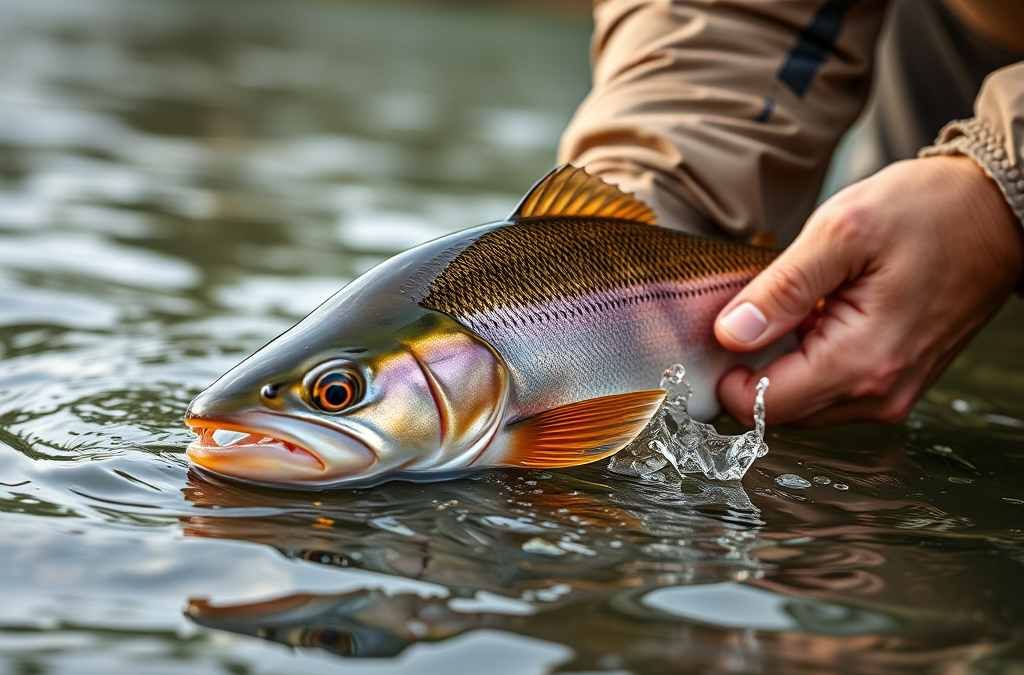
Common misconceptions about catch and release practices include the belief that all fish survive after being released and that handling them roughly does not affect their well-being. In reality, proper techniques, such as wetting hands before handling and minimizing air exposure, are crucial for ensuring fish survival. Additionally, understanding the stress levels of different species can significantly impact their chances of recovery after release.
Understanding Catch and Release
Catch and release is a fishing practice aimed at conserving fish populations by returning caught fish back to their habitats. While it promotes sustainability, misconceptions can undermine its effectiveness. Understanding the principles behind catch and release, including the importance of fish welfare and ecological balance, is crucial for anglers. Many believe that simply returning fish to water guarantees their survival, but this is not always true.

Effective catch and release practices depend on several factors, including the species of fish, the conditions in which they are caught, and the methods used during handling. Knowing these factors can significantly improve the chances of a fish’s survival after being released. In addition, it is vital to recognize the environmental conditions that can affect fish health, such as water temperature and quality, which can influence their ability to recover post-release.
Fish Handling Techniques
Proper fish handling techniques are essential in ensuring the survival of released fish. A common mistake is to handle fish with dry hands, which can damage their protective slime layer. This slime is crucial for preventing infections and maintaining overall health. Instead, anglers should wet their hands before touching a fish.
Additionally, minimizing the time a fish spends out of the water is critical. The longer a fish is exposed to air, the higher the stress levels, which can lead to complications such as barotrauma, particularly in species that are sensitive to pressure changes. Anglers should aim to keep fish in the water as much as possible while removing hooks, and if a fish must be out of the water for a photo, it should be done quickly and carefully.
Species-Specific Considerations
Different fish species have varying tolerances to handling and stress, which is often overlooked in catch and release practices. For example, species like trout and bass may handle differently than species like catfish or carp. Understanding these differences is essential for successful release.
Some species, such as salmon, are particularly vulnerable to stress and require special care when being handled. For instance, keeping them in water while removing hooks and minimizing their exposure to air is essential. Additionally, knowing the spawning seasons and habitats of specific species can help anglers make informed decisions about when to fish and when to practice catch and release.
Common Misconceptions Explained
One of the most prevalent misconceptions about catch and release is the belief that all fish will survive if returned to the water. While many do, survival rates can vary significantly depending on the handling techniques used and the conditions under which the fish were caught. Studies have shown that certain species have lower survival rates due to stress and injury from improper handling.
Another misconception is that fish are not aware of their environment after being hooked. In reality, fish experience stress and pain, which can impact their behavior and survival chances. Anglers should prioritize quick and gentle handling to reduce stress on the fish. Furthermore, some believe that using barbed hooks is acceptable because they hold the fish better. However, barbless hooks can facilitate easier release and reduce injury, making them a better choice for catch and release practices.
For more information on sustainable fishing practices and fish handling techniques, visit organizations like the Association of Fish and Wildlife Agencies or the American Fisheries Society.

Frequently Asked Questions
What is the best way to handle fish for catch and release?
Always wet your hands before handling fish to protect their slime layer, minimize air exposure, and use tools like pliers for hook removal to reduce stress.
Do all fish survive after being released?
No, not all fish survive after release. Survival rates depend on handling techniques, species, and environmental conditions.
What are the common mistakes in catch and release?
Common mistakes include handling fish with dry hands, keeping them out of water too long, and using barbed hooks.
How does stress affect fish after being caught?
Stress can lead to decreased survival rates and impact fish behavior, making them more vulnerable to predators and environmental changes.
Are there specific times when catch and release is more important?
Yes, during spawning seasons or when fish populations are low, practicing catch and release is crucial for conservation efforts.
Further Reading
Authoritative Sources
- Ready.gov Preparedness Guidance
ready.govFederal preparedness guidance for household planning, alerts, supplies, and emergencies
- American Red Cross Emergency Preparedness
redcross.orgEmergency preparedness resources for families, disasters, and practical safety planning
- FEMA Preparedness Resources
fema.govNational preparedness resources for planning, mitigation, and response readiness
Conclusion
Understanding the common misconceptions about catch and release practices is essential for responsible fishing. By using proper handling techniques and being aware of species-specific needs, anglers can significantly improve the survival rates of released fish. Prioritizing fish welfare not only contributes to healthier fish populations but also ensures that fishing remains sustainable for future generations. Therefore, anglers should educate themselves and adopt best practices to make a positive impact on aquatic ecosystems.

