
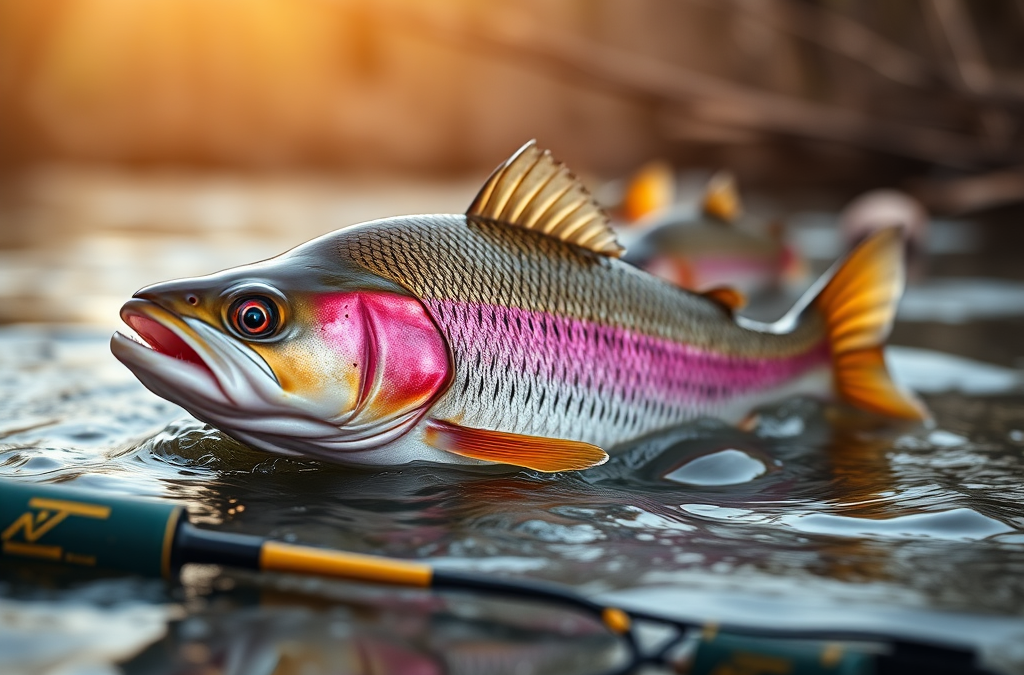
To prepare for seasonal changes in fish behavior, anglers should adjust their fishing tactics based on the specific season and environmental factors. Key methods include understanding the effects of temperature fluctuations on fish metabolism, selecting appropriate bait that matches seasonal food sources, and recognizing that fish often change their feeding patterns during these transitions. Monitoring water temperature and weather conditions is crucial for maximizing fishing success during seasonal shifts.
Understanding Seasonal Fish Behavior
Fish behavior changes significantly with the seasons, influenced by factors such as water temperature, daylight hours, and food availability. During spring, for example, fish become more active as they prepare for spawning, often moving to shallower waters. Conversely, in winter, many species slow down and retreat to deeper, warmer areas. Understanding these patterns helps anglers anticipate where fish will be and how they will behave, allowing for more effective fishing strategies.

Recognizing the specific species you are targeting is essential. Different fish respond uniquely to seasonal changes. For instance, bass may spawn in the spring, while trout remain active throughout the winter. By studying the seasonal habits of your target species, you can tailor your fishing approach to align with their behavior.
Key Factors Influencing Seasonal Changes
Several key factors influence how fish behave seasonally. Water temperature is perhaps the most critical, as it affects fish metabolism and feeding patterns. As temperatures rise in spring, fish metabolism increases, leading to higher activity levels. Conversely, as temperatures drop in fall and winter, fish become lethargic, requiring different strategies for successful fishing.
Another factor is the availability of food sources. During spring and summer, insects and baitfish are abundant, encouraging aggressive feeding. In contrast, food scarcity in colder months can lead to a change in fishing tactics, requiring anglers to use more enticing lures or baits. Additionally, changes in water clarity, due to runoff or algae blooms, can impact fish behavior and visibility, necessitating adjustments in fishing techniques.
Methods to Adapt Fishing Techniques
To effectively adapt fishing techniques to seasonal changes, anglers should consider several methods. First, adjusting bait types is crucial. In warmer months, using vibrant, active lures can entice fish, while in colder months, opting for slower-moving, more subtle presentations may yield better results. For example, during spring, using topwater lures can mimic the active prey fish are targeting, while in winter, jigs or soft plastics that can be slowly dragged along the bottom may be more effective.
Another important method is to change fishing locations based on seasonal behavior. In spring, targeting shallow bays or spawning areas can be fruitful, while in summer, deeper structures like submerged rocks or ledges may hold more fish. Understanding the seasonal movements of fish helps anglers position themselves in the most effective locations.

Timing Your Fishing Trips
Timing is critical when preparing for seasonal changes in fish behavior. Early morning and late afternoon are generally the best times to fish, as fish are more active during these periods. However, the specific timing can vary depending on the season. In spring, for instance, fishing during the warmer parts of the day can be advantageous as fish move into shallower waters to feed.
Moreover, paying attention to lunar phases can also enhance fishing success. Fish are often more active during certain moon phases, making these times ideal for fishing trips. Keeping a fishing log to track successful times and conditions can provide valuable insights for future trips, helping to refine your approach as seasons change.
Further Reading
Authoritative Sources
- Library of Congress Research Guides
guides.loc.govResearch guides that help readers locate reliable background sources on a wide range of subjects
- USA.gov Official Information and Services
usa.govOfficial U.S. government information and public resources for practical reference
- Google Scholar
scholar.google.comAcademic search resource for finding research literature and source material

