by Tips to Fishing Editorial Team | Sep 14, 2026 | Fishing Tips
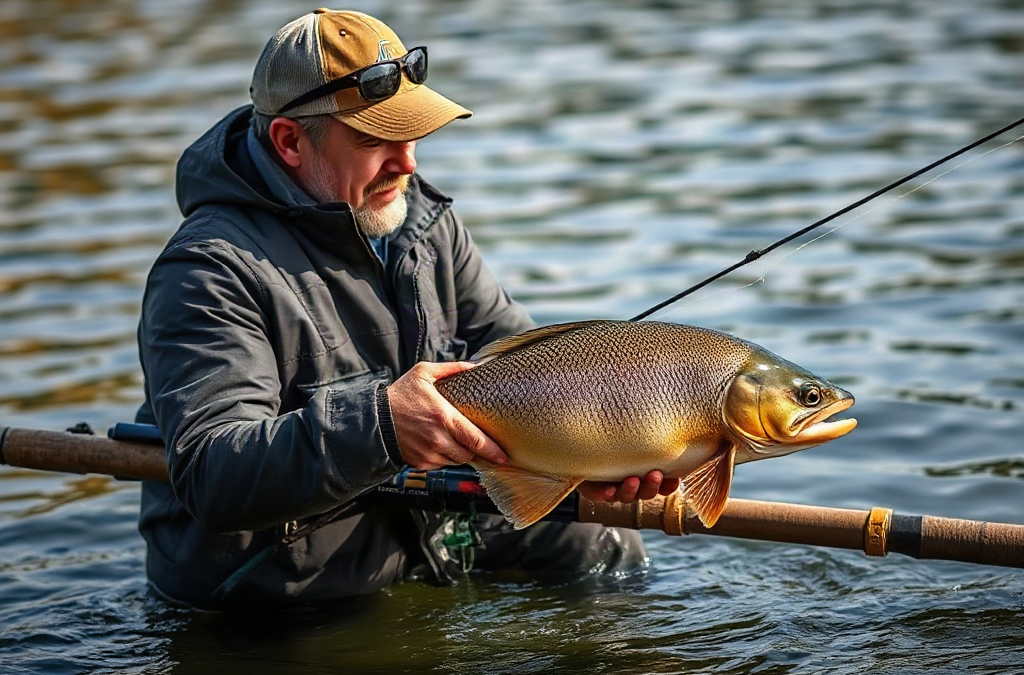
Approach fishing in new territories by checking access and local rules first, then reading a map, observing visible cover and current, and testing several depths with a small selection of adaptable lures or baits. Begin near features that concentrate food, such as points, channel edges, shade, inflows, weed boundaries, and current seams.
by Tips to Fishing Editorial Team | Sep 13, 2026 | Fishing Tips
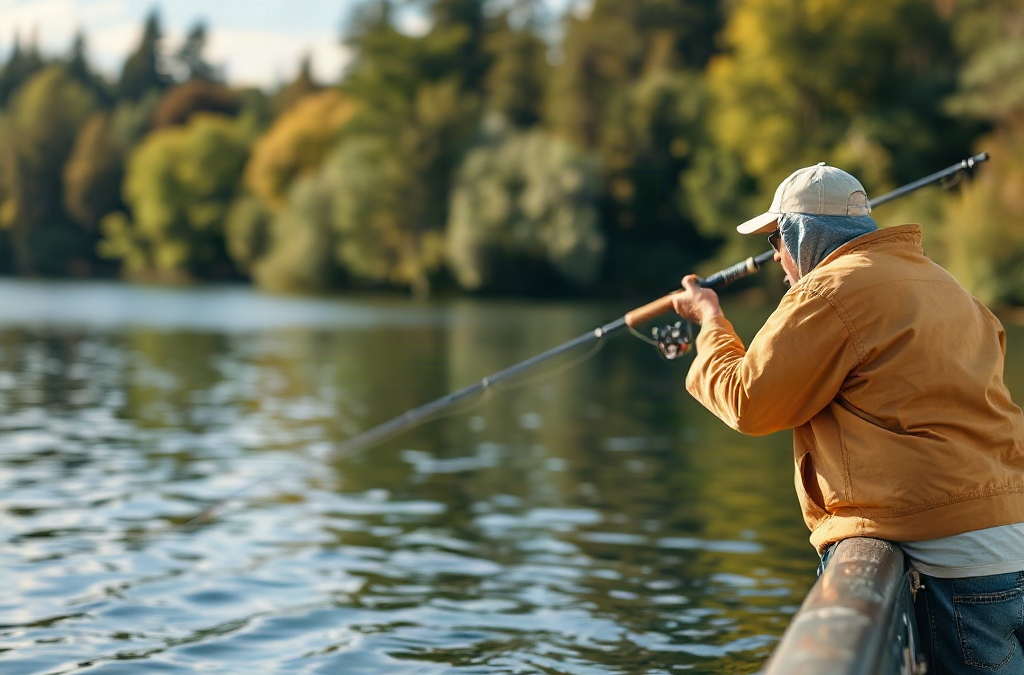
If your fishing license is expired, stop fishing and renew it through the licensing agency for the jurisdiction where you plan to fish before casting again. Check the expiration date, residency status, required endorsements, and whether the new license becomes valid immediately or at a stated time.
by Tips to Fishing Editorial Team | Sep 13, 2026 | Fishing Tips
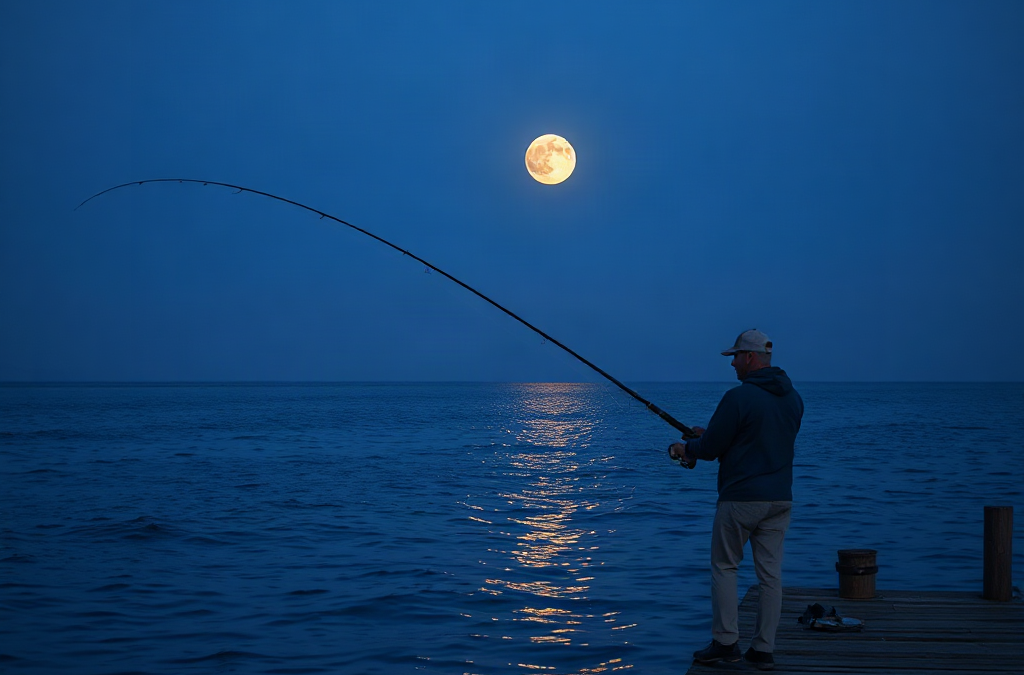
To fish effectively during different moon phases, use the moon as a planning signal rather than a guarantee: adjust fishing time, depth, lure visibility, and location according to nighttime illumination and any moon-driven tides. Full moons can extend feeding after dark, sometimes weakening the dawn bite, while new moons may concentrate activity around low-light periods.
by Tips to Fishing Editorial Team | Sep 12, 2026 | Fishing Tips
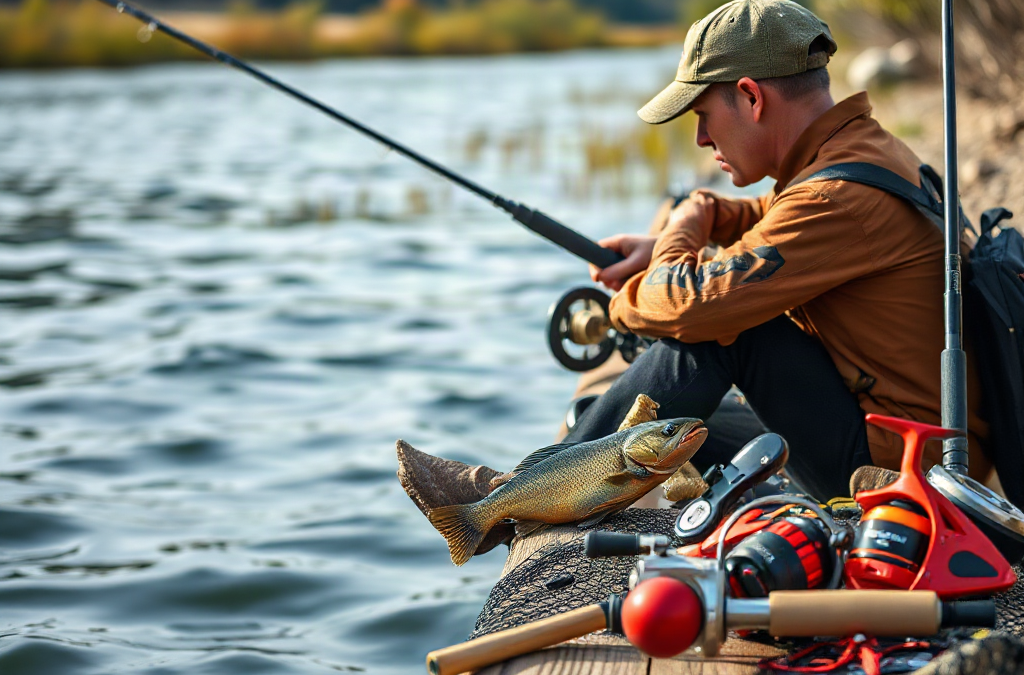
Choose fishing accessories by matching them to the water, target species, fishing method, weather, and trip duration before considering convenience items. Confirm that hooks, leaders, weights, floats, tools, and spare tackle work with your rod, reel, line strength, and intended bait or lure presentation.
by Tips to Fishing Editorial Team | Sep 12, 2026 | Fishing Tips
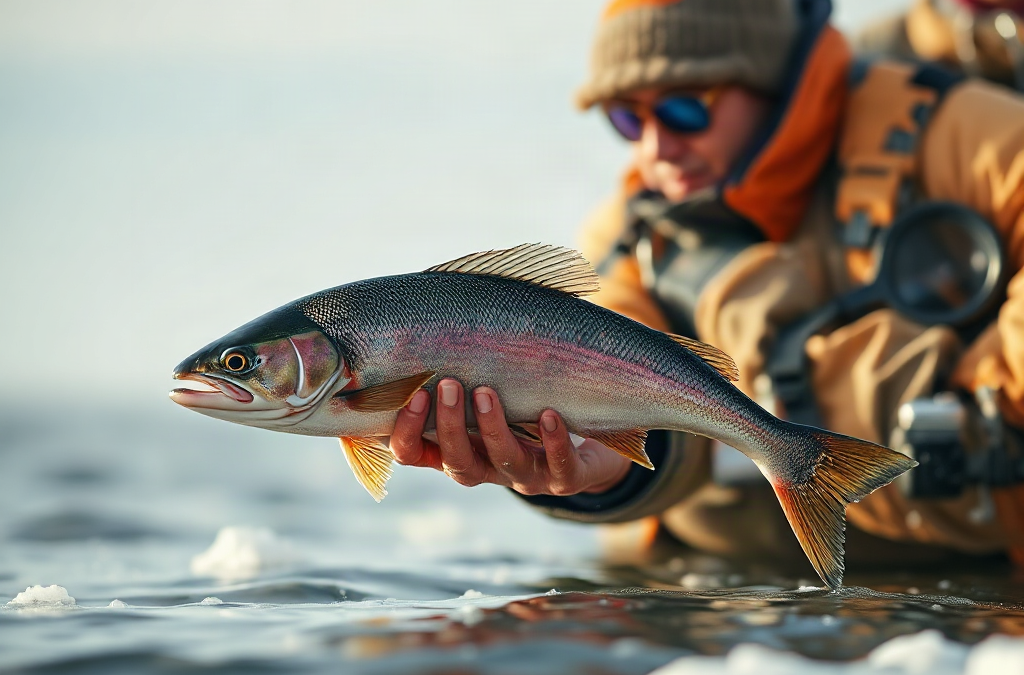
Prepare for fishing in extreme temperatures by matching clothing, hydration, shelter, and trip timing to the expected heat or cold before selecting tackle. In hot weather, carry ample drinking water, seek shade, protect exposed skin, and avoid the period of greatest heat when possible.

by Tips to Fishing Editorial Team | Sep 11, 2026 | Fishing Tips
If you’re unfamiliar with fishing regulations, pause before casting and verify the rules for the exact water, date, species, and fishing method you plan to use. Check the responsible fish and wildlife agency’s current license requirements, open seasons, size limits, daily possession limits, legal tackle, and location-specific notices.


