
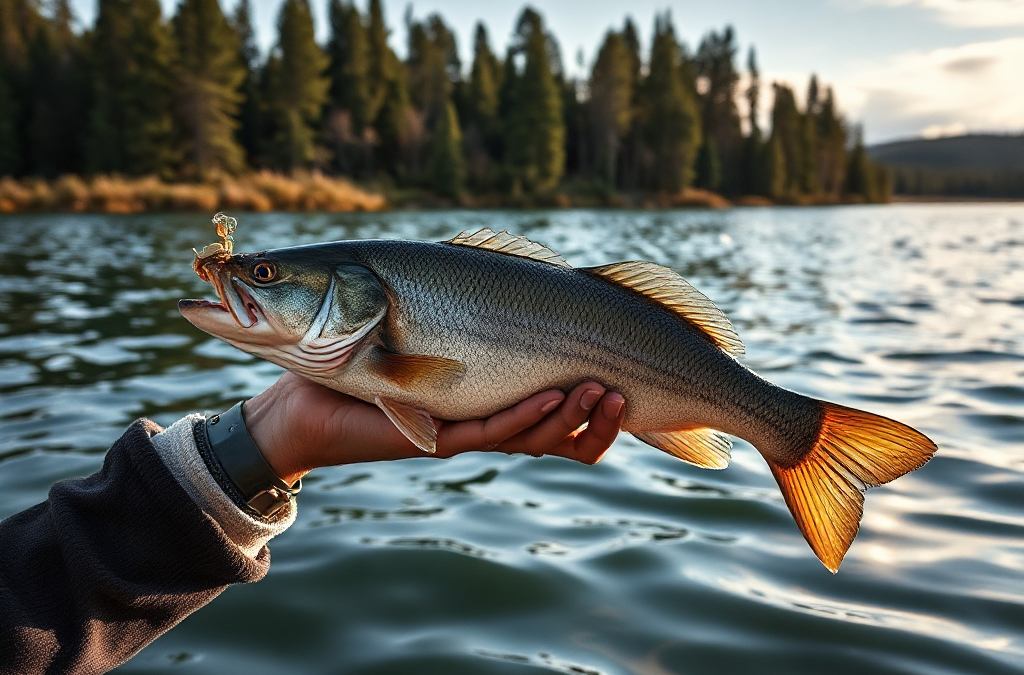
To deal with fishing pressure on popular lakes, change when, where, and how you present a lure instead of repeating the same high-traffic pattern. Heavy boat activity and repeated casts can push fish toward quieter cover, sharper depth changes, shade, or less obvious feeding windows. Fish earlier, later, or during weather shifts; search secondary points, overlooked shoreline cover, and deeper transitions; then reduce lure size, alter retrieve speed, and use quieter presentations when standard offerings are ignored. Avoid abandoning a productive area after a few missed bites, but leave when sonar and repeated presentations show no response. Keep notes on water level, wind, boat traffic, and successful depths so each visit becomes less predictable to pressured fish.
Why Popular Lakes Become Difficult To Fish
Fishing pressure changes fish behavior rather than simply making a lake contain fewer catchable fish. Bass, crappie, walleye, and other species may still occupy productive habitat, but repeated boat approaches, sonar use, lure movement, and hooked-fish encounters can make them less willing to chase familiar offerings. Fish may hold tighter to cover, suspend beside structure, feed during shorter windows, or move slightly deeper after heavy recreational traffic.

Pressure is rarely uniform across an entire lake. A famous point, public ramp cove, bridge, or community fishing area may receive constant attention while a nearby secondary point has similar depth and cover with far fewer casts. That difference matters more than the lake’s overall reputation. A pressured fish may ignore a bright moving lure over the main point yet take a small, subdued bait beside the first break outside the crowd.
Water conditions can either magnify or reduce the effect. Wind breaks up surface visibility and boat noise, while bright, calm conditions often make fish more cautious in shallow clear water. Rising water can spread fish into fresh shoreline cover; falling water may concentrate them along remaining channels, drains, and edges. Treat pressure as one part of a changing pattern, not as proof that the lake is impossible.
A common mistake is assuming that a heavily fished area is automatically depleted. Leaving immediately may sacrifice a good location when the real problem is an overly loud approach or a lure that has become familiar. The better response is to compare nearby habitat, alter the angle and timing of your presentation, and use observations rather than frustration to decide whether to stay. These principles also strengthen a broader how to deal with fishing pressure on popular lakes plan.
Choose Timing And Locations That Receive Less Pressure
Timing is often the fastest way to reduce competition. Early morning, the final hour before dark, weekdays, cooler weather, and periods immediately after a weather change may offer less boat traffic than a sunny weekend afternoon. The best window still depends on species and conditions, so do not treat dawn as a guaranteed answer. Watch how light, wind, water temperature, and surface activity affect the fish you are targeting.
For example, a shallow flat near a busy ramp may produce at first light before boats arrive, then become unproductive once wakes and repeated casts reach the area. Instead of forcing the flat all day, check the outside edge, a nearby creek channel, or a wind-blown bank where feeding fish may reposition. A later return during low light can be more useful than grinding through the high-traffic period.
Location selection should focus on overlooked connections, not secret spots. Look for a secondary point attached to a larger point, a small drain entering a cove, isolated vegetation near a drop-off, or the downwind side of cover. These features often share the food and depth advantages of famous areas without receiving the same direct presentations. On a lake map, mark several alternatives before launching so a crowded first choice does not dictate the entire trip.
Boat positioning matters as much as destination. Approaching directly over a shallow target, repeatedly idling across a point, or dropping an anchor close to fish can scatter them. Use wind or a controlled drift when possible, cast from deeper water toward the target, and make the first pass cover water outside the obvious holding area. The tradeoff is that secondary locations may hold fewer fish, but they can produce more realistic opportunities because those fish have seen fewer lures.
- Check the busiest area briefly if conditions clearly support it.
- Move to a nearby secondary feature when boat traffic disrupts positioning or presentation.
- Return during a quieter feeding window rather than spending the entire day in crowded water.
Do not confuse solitude with productivity. A quiet bank without forage, suitable depth, or cover is not automatically better than a pressured main-lake feature. Use a depth map, visible cover, wind direction, and signs of bait or feeding activity to qualify a location before committing time.
Adjust Lures, Line, And Presentation
Presentation changes work because pressured fish often respond to differences in speed, sound, profile, and approach angle. Downsizing can make a lure appear less threatening, but smaller is not always better. If wind creates noise and low visibility, a larger moving bait may still be appropriate. In calm, clear water, a compact natural-colored lure with a slower retrieve may be more convincing.
Start by changing one meaningful variable at a time. If a standard crankbait is producing follows but no strikes, slow the retrieve, change the casting angle, or switch to a quieter bait before changing everything at once. If fish are visible on sonar but ignore bottom contact, try a suspended presentation or move the lure above the fish. A new lure cannot compensate for a bait traveling through the wrong depth.
Quiet entry and accurate casts are particularly valuable around shallow cover. Land the lure beyond the target when possible, then bring it through the strike zone rather than dropping it directly on top of fish. Use natural pauses beside shade, wood, rock, or vegetation. A pressured fish may need extra time to inspect a lure, while an overly fast retrieve turns a cautious look into a refusal.
Line choice involves a tradeoff. Lighter line can improve lure action and reduce visibility in clear water, but it gives up abrasion resistance around dock posts, brush, or sharp rock. Fluorocarbon may be useful for certain subsurface presentations, while heavier line is a rational choice when cover and fish size make break-offs likely. Equipment changes should serve the location and lure, not follow a blanket rule.
Vary sound as well as appearance. Some fish react to rattles and aggressive surface disturbance, especially in wind or stained water; others avoid repeated noise in calm, clear conditions. If several anglers have worked an area with loud moving baits, a compact soft-plastic presentation, a subtle jig, or a slower approach may show whether the fish are rejecting noise rather than abandoning the location. The related pressure-management approach is built on controlled adjustments, not constant lure switching.
Build A Practical Plan And Measure What Works
A useful plan separates scouting, testing, and decision-making. Begin with a short first pass through two or three habitat types rather than spending an hour proving that one crowded spot is inactive. Note water clarity, wind exposure, depth, forage, boat traffic, and fish position. Then test a presentation that matches those observations for enough time to produce meaningful feedback.

Use a simple sequence: establish the likely depth, make accurate casts from a low-impact angle, change speed or cadence, and then change lure profile or sound. If fish follow, mark the location and refine the retrieve. If sonar shows promising cover but there are no signs of activity, check an adjacent depth band before abandoning the entire area. If multiple nearby features fail under similar conditions, a broader move may be justified.
Record what happened, not only what you caught. A note such as “small natural bait near wind-blown grass at midmorning after heavy boat traffic” is more useful than “good spot.” Include whether fish struck on the fall, during a pause, beside cover, or after a direction change. Over several trips, those details reveal whether pressure is pushing fish deeper, tighter to cover, or into different time windows.
Common errors include following the crowd, rotating through lures without learning anything, and assuming a missed strike confirms that fish are present everywhere nearby. Another mistake is running too far in search of untouched water when a small adjustment at the current location could produce results. Fuel, daylight, weather, and safe navigation impose real limits. A compact local plan with several connected alternatives is often more effective than an ambitious search for an unpressured lake.
Signs an approach is working include follows becoming strikes, fish appearing in the same depth range, bait remaining in the area, or repeated contact with active cover. Signs it is failing include no activity across multiple suitable angles, disturbed shallow fish, worsening boat traffic, and a mismatch between lure depth and fish location. Make the next move based on those signals. Keep refining how to deal with fishing pressure on popular lakes by comparing conditions rather than chasing a single successful cast.
For lake-specific regulations, access information, fish-consumption advisories, and management updates, consult the responsible state wildlife agency or fisheries department. Local regulations and lake conditions can change, and official notices are more reliable than informal reports when planning a trip.
Frequently Asked Questions
Should I avoid a lake that receives heavy fishing pressure?
Not necessarily. Popular lakes often have strong habitat and forage programs. Fish during quieter periods, target less obvious connected cover, and adjust your presentation before deciding that pressure makes the lake unproductive.
Are pressured fish always found in deep water?
No. Pressure can move fish deeper, but they may also stay shallow in shade, vegetation, wind, or fresh cover. Depth should be matched to light, water clarity, forage, and seasonal conditions.
Does downsizing a lure always help?
No. A smaller, quieter lure may help in calm clear water, but wind, stained water, and active feeding can favor a larger or more noticeable presentation. Change size only when it fits the conditions and observed fish behavior.
How long should I stay at a pressured spot?
Stay long enough to test the correct depth, casting angle, and retrieve, but do not repeat one ineffective cast endlessly. Move when several suitable presentations produce no response or boat traffic prevents a clean approach.
What should I record after a difficult trip?
Write down water level, clarity, wind, light, boat traffic, depth, cover, lure details, retrieve speed, and the exact location of bites or follows. Those notes help identify repeatable patterns instead of relying on memory.
Further Reading
Authoritative Sources
- Academy of Nutrition and Dietetics
eatright.orgProfessional nutrition guidance, healthy eating resources, and practical dietitian-reviewed advice.
- U.S. Department of Agriculture
usda.govOfficial food, nutrition, agriculture, and consumer guidance from the USDA.
- NIH Office of Dietary Supplements
ods.od.nih.govResearch-based fact sheets on nutrients, supplements, dietary intake, and safety considerations.
- International Society of Sports Nutrition
sportsnutritionsociety.orgEvidence-informed sports nutrition resources and position stands for active people and athletes.
Conclusion
Heavy pressure does not remove every opportunity; it changes the conditions under which fish will respond. Give priority to low-impact timing, secondary habitat connected to productive areas, accurate casts, and presentations that differ in speed, sound, profile, or depth from what fish see repeatedly. Use sonar and visual clues to confirm where fish are positioned, but let actual responses determine whether you stay. Avoid two costly extremes: copying the crowd all day and abandoning a promising area after a single refusal. Keep concise trip notes, especially when a pattern develops around wind, light, depth, and boat traffic. The next visit should begin with several location and presentation options, allowing you to adapt without wasting the quietest and most productive parts of the day.

