
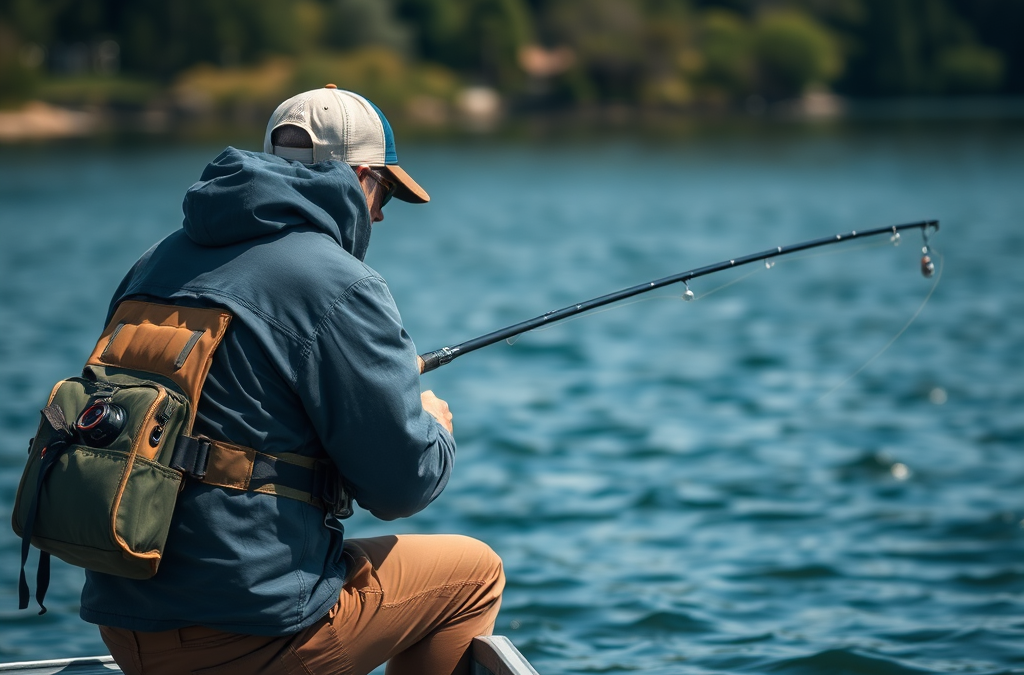
If your fishing partner is inexperienced, start by teaching them the fundamentals of fishing, including casting techniques and bait selection. Use simple, lightweight gear that is easy for them to manage, such as spinning rods and reels. Focus on fishing in areas where they can catch easy-to-handle species, which will help build their confidence. Encourage them to ask questions and maintain open communication about safety and fishing practices. This supportive approach will create a positive and enjoyable experience, fostering their interest in the sport.
Understanding the Basics of Fishing
When fishing with an inexperienced partner, it is crucial to start with the basics of the activity. Fishing is not just about catching fish; it involves understanding the environment, equipment, and techniques. Begin by explaining the importance of different fishing locations, such as lakes, rivers, or oceans, and how various conditions can affect fish behavior. Highlight the significance of patience and observation in fishing, as these elements are vital for success.

Discuss the ecological aspects of fishing, such as local fish species and their habits, which can help your partner appreciate the activity more. For instance, explain why certain fish are more active at specific times of the day and how weather conditions can influence fishing success. By grounding your partner in the foundational knowledge of fishing, you set the stage for a more rewarding experience.
Choosing the Right Gear
Selecting the appropriate gear is essential for an enjoyable fishing experience, especially for beginners. Opt for simple, user-friendly equipment that is easy to handle. For example, consider using spinning reels and rods, which are generally easier for novices to learn. Ensure that the gear is lightweight and manageable, as heavy equipment can be daunting for someone who is just starting.
Introduce your partner to the various components of fishing gear, such as hooks, lines, and lures. Explain the function of each component and how they contribute to successful fishing. Demonstrate how to rig the equipment properly and safely. This hands-on approach not only builds confidence but also fosters a sense of ownership over the fishing process.
Teaching Fishing Techniques
Effective teaching of fishing techniques is vital when your partner lacks experience. Start with the fundamental skills, such as casting and reeling in. Use demonstrations to show proper casting techniques, and then allow your partner to practice while providing constructive feedback. Focus on making the learning experience enjoyable to prevent frustration.
Introduce bait selection gradually, explaining the differences between live bait and artificial lures. Discuss which types work best for specific fish species and why. Encourage experimentation with different types of bait to see what works best in your fishing location. This hands-on learning experience can make fishing more engaging and less intimidating.

Building Confidence and Enjoyment
As your partner gains skills, it is important to focus on building their confidence and ensuring they enjoy the experience. Celebrate small successes, such as a well-cast line or the first fish caught. Positive reinforcement can significantly enhance their enthusiasm for fishing. Share stories of your own fishing experiences, including both successes and failures, to create a relatable atmosphere.
Encourage your partner to ask questions and express any concerns they may have. Open communication fosters a supportive environment where they can learn without fear of judgment. Remind them that fishing is as much about enjoying nature and spending time together as it is about catching fish. This perspective can help alleviate pressure and make the experience more enjoyable.
Further Reading
Authoritative Sources
- NOAA Fisheries
fisheries.noaa.govA valuable resource for understanding fish species and sustainable fishing practices
- Take Me Fishing
takemefishing.orgOffers comprehensive guides on fishing techniques and gear selection for beginners
- Fishbrain
fishbrain.comA social media platform for anglers that features tips and local fishing reports

