
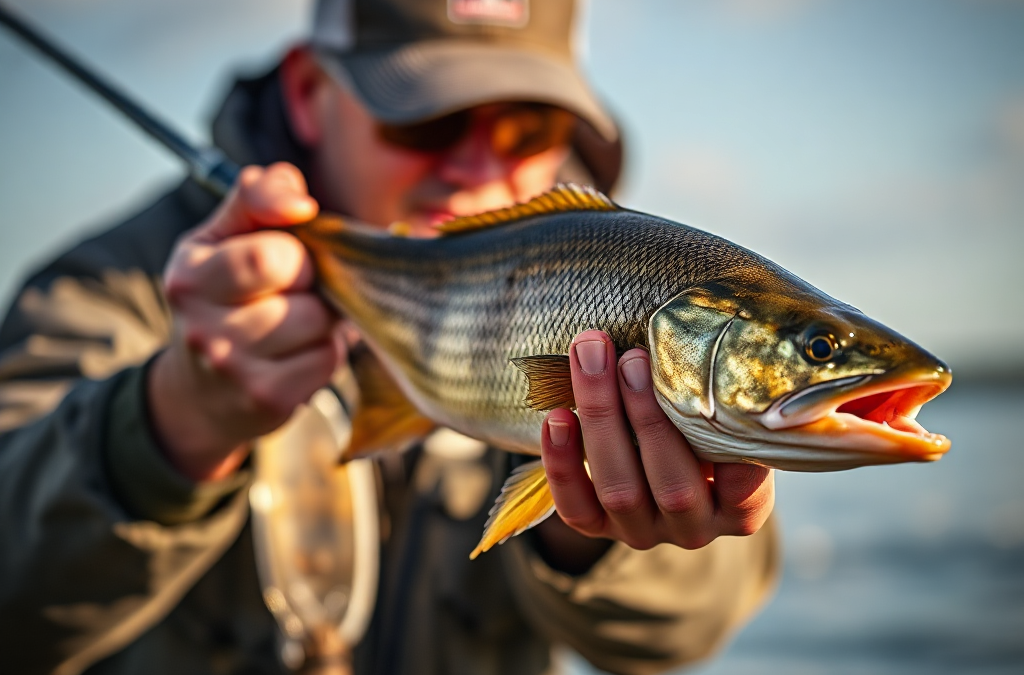
Using scents and attractants effectively can significantly enhance your fishing success by attracting fish to your bait or lure. Key methods include selecting the right type of scent based on the target species, applying it properly to avoid overwhelming the fish, and understanding the environmental conditions that influence fish behavior. Additionally, experimenting with different attractants can reveal what works best in your local waters, ensuring a more productive fishing experience.
Understanding Fish Behavior and Scents
Fish are highly sensitive to scents in the water, which play a crucial role in their feeding behavior. The olfactory senses of fish are finely tuned to detect various chemical compounds, allowing them to locate food sources from considerable distances. This sensitivity means that using the right scents can enhance your chances of attracting fish.

When considering how to use scents and attractants to improve your catch, it’s essential to understand the species you are targeting. Different fish species respond to different scents based on their natural feeding habits and environments. For example, catfish are often attracted to strong, pungent scents, while trout may prefer more subtle, natural scents that mimic their natural prey.
Environmental factors such as water temperature, clarity, and current can also influence how fish perceive scents. In murky waters, stronger scents may be necessary to attract fish, while clear waters might require more natural or subtle scents to avoid detection. Understanding these dynamics will help you choose the right attractants and enhance your fishing strategy.
Types of Scents and Attractants
There are various types of scents and attractants available to anglers, each designed to appeal to specific fish species. Natural scents, such as those derived from baitfish, shrimp, or other aquatic organisms, are often preferred by fish as they mimic their natural food sources. These can be found in liquid form or as infused baits.
Synthetic scents, on the other hand, are chemically engineered to replicate natural scents and can sometimes be more potent. These attractants can come in various forms, including sprays, gels, and dips. While they may not always mimic a specific food source, they can create an appealing environment for fish.
Another popular category includes flavor enhancers, which can be added to baits to make them more appealing. These can include sweeteners or oils that add taste and smell, increasing the likelihood that fish will bite. When selecting scents and attractants, consider the preferences of your target species and the conditions of the water you are fishing in.
Application Techniques for Maximum Effectiveness
Applying scents and attractants correctly is crucial for maximizing their effectiveness. One common method is to apply the scent directly to your bait or lure before casting. This ensures that the fish are immediately exposed to the scent as the bait enters the water. However, avoid over-saturating your bait, as too much scent can overwhelm fish and deter them from biting.
Another effective technique is to use scents in conjunction with specific fishing styles. For example, if you are using a bottom fishing method, applying scent to your bait can help attract fish that are foraging near the bottom. Alternatively, when using surface lures, consider using a spray attractant that disperses into the water, creating a scent trail that can draw fish in from a distance.
It’s also beneficial to experiment with different application techniques. Some anglers find success using scents only in certain conditions or at specific times of day. Keeping track of what works best in various scenarios can help refine your approach and improve your overall success rate.
Common Mistakes to Avoid
While using scents and attractants can significantly improve your catch, there are common mistakes that can hinder your success. One frequent error is using the wrong type of scent for the targeted species. Always research the feeding habits and preferences of the fish you are trying to catch to select the most effective attractant.
Another mistake is failing to consider environmental conditions. For instance, using a strong scent in clear waters may backfire, as fish can be more cautious and easily spooked. Adjusting your scent choice based on water clarity and temperature can lead to better results.

Lastly, overusing scents can be detrimental. A little goes a long way; applying too much can saturate your bait and create an unnatural smell that fish may avoid. Start with a small amount and increase gradually as needed, paying attention to how fish respond.
Frequently Asked Questions
What types of scents are most effective for attracting fish?
Natural scents from baitfish or shrimp are often most effective, but synthetic scents can also be powerful depending on the species.
How should I apply scents to my bait?
Apply a small amount of scent directly to your bait or lure before casting, ensuring it is not overly saturated to avoid deterring fish.
Can I use scents in any fishing conditions?
While scents can be beneficial, their effectiveness can vary based on water clarity, temperature, and species behavior, so adjustments may be necessary.
Are there any risks associated with using attractants?
Using the wrong scent can spook fish, and overusing scents can create unnatural smells that deter them. Balance is key.
How can I determine the best scent for my fishing trip?
Research the specific species you are targeting and consider local fishing reports to understand what scents have been successful in your area.
Further Reading
Authoritative Sources
- Library of Congress Research Guides
guides.loc.govResearch guides that help readers locate reliable background sources on a wide range of subjects
- USA.gov Official Information and Services
usa.govOfficial U.S. government information and public resources for practical reference
- Google Scholar
scholar.google.comAcademic search resource for finding research literature and source material
Conclusion
Utilizing scents and attractants effectively can significantly enhance your fishing experience and increase your catch rates. By understanding fish behavior, selecting the right types of scents, and applying them correctly, you can create a more appealing environment for your target species. Avoid common mistakes such as overuse or mismatched scents to ensure the best results. Stay informed about your local waters and fish preferences, and don’t hesitate to experiment with different approaches to find what works best for you.

