
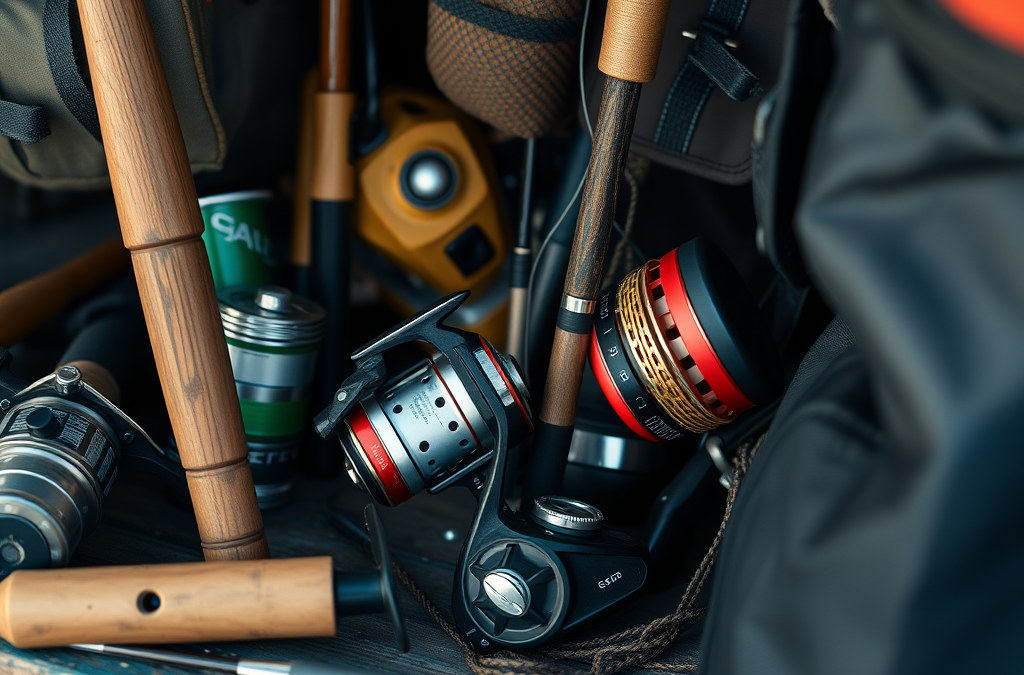
Dealing with fishing gear theft or loss involves immediate reporting, assessing the situation, and implementing preventive measures. First, report the theft to local authorities and provide detailed descriptions of the stolen items. Next, check online marketplaces and local pawn shops for your gear. To prevent future incidents, consider using secure storage solutions, marking your gear with identifiable information, and investing in insurance. Being proactive can significantly reduce the risk of theft.
Understanding the Impact of Theft on Anglers
Theft of fishing gear can significantly disrupt an angler’s experience and financial investment. High-quality rods, reels, and tackle represent not just monetary value but also personal attachment and memories associated with fishing trips. Understanding the emotional and financial ramifications can motivate anglers to take preventive measures and act swiftly if theft occurs.

Moreover, the loss of gear can lead to frustration, impacting one’s ability to enjoy the sport. Recognizing the importance of gear can help anglers appreciate the need for protective strategies and recovery plans. This understanding sets the stage for developing effective responses to theft or loss.
Immediate Actions to Take After Theft or Loss
When fishing gear is stolen or lost, taking prompt action is crucial for recovery. The first step is to report the theft to local law enforcement. Provide detailed descriptions of the stolen items, including brand, model, and any unique identifiers like serial numbers. This information can aid police in tracking down the stolen gear.
Next, check local online marketplaces and pawn shops, as stolen items are often sold quickly. Utilize social media platforms and community groups to spread the word about the theft. Fellow anglers can be vigilant and may spot the missing gear for sale.
Consider creating a list of the stolen items as well, which can help with insurance claims and tracking down the gear. Documenting the theft and your actions can be vital for legal and recovery purposes.
Preventive Measures to Safeguard Your Gear
Preventing theft before it occurs is the best strategy for protecting your fishing gear. Start by investing in secure storage solutions for your equipment, especially when traveling. Use lockable cases or secure your gear in your vehicle with anti-theft devices.
Mark your gear with identifiable information, such as your name or a unique symbol, using permanent markers or labels. This not only deters thieves but also aids in recovery if the gear is stolen.
Additionally, consider joining local fishing clubs or online forums to share tips and experiences about securing gear. Engaging with a community can provide valuable insights into effective theft prevention strategies and local crime trends.
Insurance Options for Fishing Gear
Investing in insurance for your fishing gear can offer peace of mind and financial protection. Many homeowners or renters insurance policies cover personal property, including fishing gear, but it’s essential to check the specifics of your policy.
Some insurers offer specialized policies for outdoor equipment, which may cover theft, loss, or damage. Review the coverage limits and deductibles to ensure they align with the total value of your gear.

When selecting an insurance policy, consider the frequency of your fishing activities and the value of your equipment. For avid anglers, specialized insurance might be a wise investment to safeguard against potential losses.
Frequently Asked Questions
What should I do if my fishing gear is stolen?
Immediately report the theft to local authorities, provide detailed descriptions of the stolen items, and check local online marketplaces for your gear.
How can I prevent my fishing gear from being stolen?
Use secure storage solutions, mark your gear with identifiable information, and engage with local fishing communities for tips on theft prevention.
Is fishing gear covered by homeowners insurance?
Many homeowners insurance policies cover personal property, including fishing gear, but check your policy details for coverage limits and exclusions.
What steps should I take if I find my stolen gear for sale?
Do not confront the seller. Instead, document the listing and report it to local law enforcement for further investigation.
What are the benefits of insuring my fishing gear?
Insurance provides financial protection against theft, loss, or damage, giving you peace of mind while enjoying your fishing activities.
Further Reading
Authoritative Sources
- Library of Congress Research Guides
guides.loc.govResearch guides that help readers locate reliable background sources on a wide range of subjects
- USA.gov Official Information and Services
usa.govOfficial U.S. government information and public resources for practical reference
- Google Scholar
scholar.google.comAcademic search resource for finding research literature and source material
Conclusion
Dealing with fishing gear theft or loss requires immediate action and strategic planning to recover and prevent future incidents. Reporting theft, engaging with your community, and considering insurance options are essential steps to protect your investment. Prioritizing these measures not only enhances your fishing experience but also contributes to a safer environment for all anglers.

