
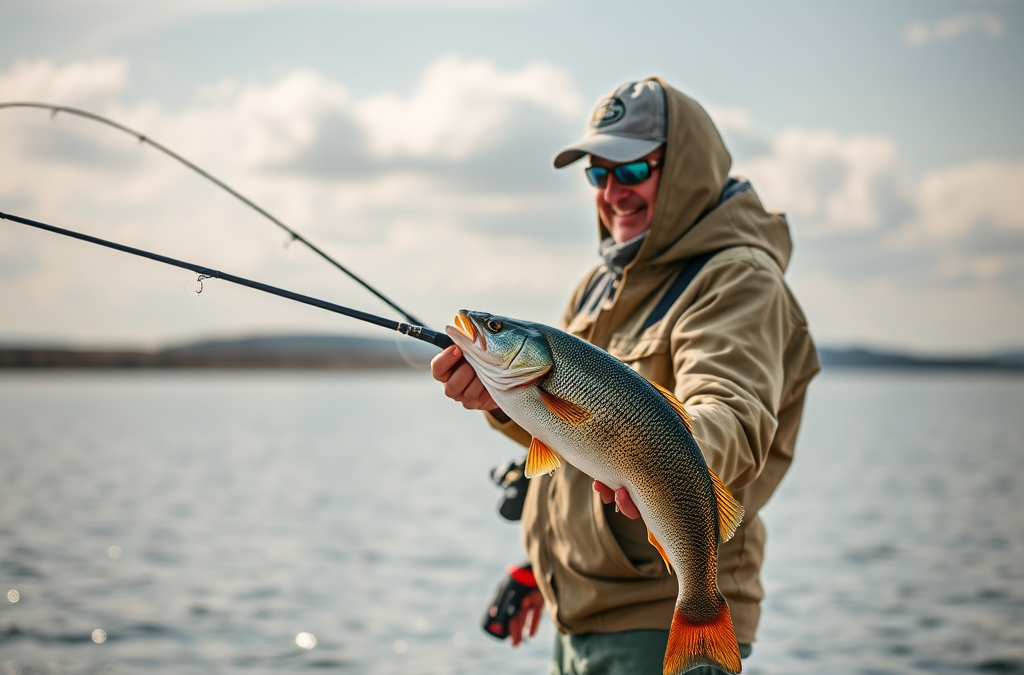
Understanding local fishing regulations is essential for responsible fishing and the sustainability of aquatic ecosystems. These rules help manage fish populations, prevent overfishing, and maintain ecological balance. Anglers should familiarize themselves with specific regulations, such as size and bag limits, to avoid common mistakes that could lead to fines or damage to local habitats. Staying informed about seasonal restrictions and gear regulations not only enhances your fishing experience but also contributes to the long-term health of fishing environments for future generations.
Why Local Fishing Regulations Matter
Local fishing regulations are essential for the conservation of aquatic ecosystems and the sustainability of fish populations. These regulations are put in place to ensure that fishing practices do not deplete fish stocks and that the ecosystem remains balanced. By understanding and adhering to these regulations, anglers contribute to the health of their fishing environments, which benefits both present and future generations.

One of the primary reasons regulations exist is to manage fish populations effectively. Overfishing can lead to severe declines in fish numbers, which disrupts the food chain and affects other wildlife. Regulations often include size limits, bag limits, and seasonal closures, all designed to allow fish populations to recover and thrive. For instance, a size limit may be instituted to ensure juvenile fish can mature before being harvested.
Moreover, understanding these regulations helps prevent legal issues for anglers. Fishing without a proper license or exceeding catch limits can lead to fines and penalties, which not only affect individual anglers but also tarnish the reputation of the fishing community. Therefore, educating oneself about local laws is an integral part of responsible angling.
Common Mistakes in Fishing Regulation Compliance
Many anglers unknowingly violate fishing regulations, often due to a lack of understanding or misinformation. One common mistake is not being aware of specific regulations related to the area where they are fishing. Different bodies of water may have unique rules, and what is permissible in one location might be illegal in another.
For example, some regions may have specific seasons for certain fish species, while others may have restrictions on the type of bait or gear that can be used. Using prohibited gear, such as nets in areas where only rod and reel fishing is allowed, can lead to significant penalties. Anglers should always consult local guidelines before heading out.
Another frequent error is misinterpreting size and bag limits. Anglers may keep fish that are too small or exceed the daily limit without realizing it. It is crucial to familiarize oneself with these limits, as they are often enforced strictly. Using a fish measuring device can help ensure compliance with size regulations.
Lastly, many anglers overlook the importance of reporting their catch accurately. Some regions require anglers to log their catches, which contributes to data collection for fisheries management. Failing to report can not only lead to penalties but also negatively impact conservation efforts, as data is vital for assessing fish populations and health.
How to Stay Informed About Regulations
Staying informed about local fishing regulations is essential for compliance and responsible fishing. One of the best ways to keep updated is by regularly visiting state or local wildlife agency websites, where regulations are often published and updated. Many agencies also offer mobile apps that provide real-time information on fishing conditions, regulations, and alerts.
Joining local fishing clubs or organizations can also be beneficial. These groups often share information about regulations, best practices, and conservation efforts. Additionally, participating in community events or workshops can enhance your understanding of local ecosystems and the importance of regulations.
Another effective way to stay informed is through social media groups and forums dedicated to fishing. Many experienced anglers share insights and updates about regulations, which can help newcomers navigate the complexities of local laws. However, it is crucial to verify any information obtained from unofficial sources to avoid misinformation.
Lastly, maintaining a good relationship with local fish and wildlife officers can provide valuable insights. These officers can offer guidance on regulations and help clarify any uncertainties regarding local laws.
The Benefits of Following Local Regulations
Adhering to local fishing regulations has numerous benefits, not only for the individual angler but also for the broader community and ecosystem. Firstly, following these regulations helps ensure the sustainability of fish populations. By adhering to size and bag limits, anglers contribute to the recovery and health of fish stocks, which can enhance fishing experiences for everyone.

Moreover, responsible fishing practices foster a positive image of the fishing community. When anglers abide by regulations, it reflects well on the community as a whole, which can lead to increased support for conservation initiatives and funding for local fisheries management. This support is essential for maintaining healthy ecosystems and ensuring that future generations can enjoy fishing.
Additionally, following regulations can enhance the overall fishing experience. Knowing that you are fishing sustainably brings peace of mind and allows anglers to take pride in their practices. It can also lead to better fishing outcomes, as healthy ecosystems often result in more abundant and diverse fish populations.
Lastly, compliance with fishing regulations can prevent legal issues, ensuring that anglers can enjoy their time on the water without the stress of potential fines or penalties. Understanding and respecting local laws empowers anglers to fish responsibly and ethically.
Frequently Asked Questions
What are the main types of local fishing regulations?
Main types include size limits, bag limits, gear restrictions, and seasonal closures, all aimed at conserving fish populations.
How can I find out about local fishing regulations?
Check state wildlife agency websites, local fishing clubs, or official mobile apps for the latest regulations and updates.
What happens if I violate fishing regulations?
Violating fishing regulations can result in fines, confiscation of equipment, and potential loss of fishing privileges.
Are fishing regulations the same everywhere?
No, fishing regulations vary by location, so it’s essential to check the specific rules for the area where you will be fishing.
Why should I follow local fishing regulations?
Following local regulations helps protect fish populations, promotes sustainable practices, and enhances the overall fishing experience.
Further Reading
Authoritative Sources
- U.S. Fish and Wildlife Service
fws.govThis resource provides comprehensive information on fishing regulations and conservation efforts across the United States
- NOAA Fisheries
nmfs.noaa.govNOAA Fisheries offers guidelines and updates on federal fishing regulations, species management, and sustainable practices
- American Sportfishing Association
asa.orgThis association provides valuable resources related to sport fishing, including advocacy for responsible fishing regulations
Conclusion
Understanding local fishing regulations is vital for every angler. By adhering to these rules, you contribute to the sustainability of fish populations, avoid legal issues, and enhance your fishing experience. Make it a priority to stay informed about the regulations in your area, and engage with local communities to promote responsible fishing practices. Remember, fishing is not just about the catch; it’s about preserving the environment for future generations.

