
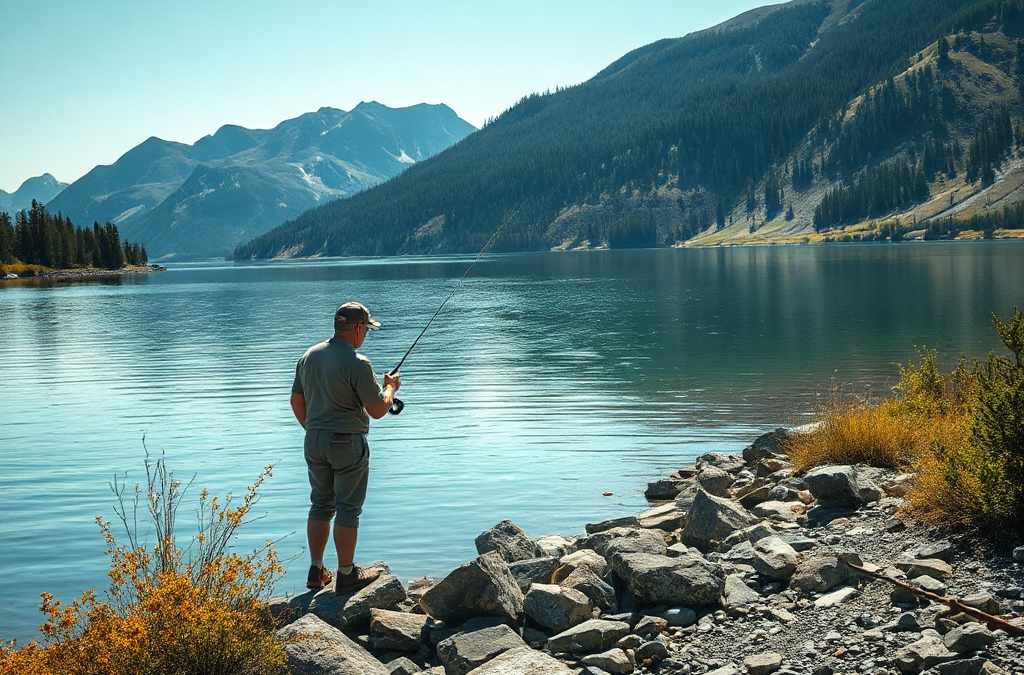
To create a fishing plan for a multi-day trip, start by selecting your destination and researching local regulations, fish species, and seasonal patterns. Next, develop a detailed itinerary that includes fishing spots, timing, and necessary gear. Additionally, consider weather forecasts and backup plans in case conditions change. Prioritize safety and ensure you have adequate supplies for the duration of your trip.
Choosing Your Fishing Destination
Choosing the right fishing destination is crucial for a successful multi-day trip. Factors like water type (freshwater or saltwater), the target species, and accessibility should guide your decision. Popular destinations often have established facilities and services, which can enhance your experience. However, less frequented spots may offer better fishing opportunities and fewer crowds. For example, if you’re targeting trout, consider heading to mountain streams in the spring, while saltwater anglers might prefer coastal areas during the summer months.

When selecting a destination, think about your skill level and the type of fishing experience you want. Do you prefer a guided trip or venturing out on your own? Understanding your preferences will help you choose a location that matches your expectations and abilities.
Researching Local Regulations and Conditions
Before finalizing your fishing plan, it’s essential to research local regulations. Different regions have specific rules regarding fishing licenses, catch limits, and protected species. Familiarizing yourself with these regulations ensures compliance and promotes sustainable fishing practices.
In addition to regulations, you should also consider local conditions such as water temperature, clarity, and seasonal patterns. These factors significantly impact fish behavior. For instance, fish are more active during specific times of the day, and understanding these patterns can increase your chances of success. Local fishing reports or forums can provide valuable insights into current conditions and fish activity.
Creating a Detailed Itinerary
A well-structured itinerary is vital for a multi-day fishing trip. Start by mapping out your fishing spots, taking into account travel times between locations. Allocate specific times for fishing, meals, and rest. This structure helps maximize your time on the water and ensures you cover all planned activities.
When creating your itinerary, be flexible. Weather conditions can change rapidly, affecting fish behavior and your fishing plans. Having backup locations or alternative strategies can save your trip from being derailed by unforeseen circumstances. For example, if a storm is predicted, knowing a sheltered area can keep you fishing while others are forced to stay ashore.
Preparing Your Gear and Supplies
Proper gear preparation is essential for a successful fishing trip. Start by reviewing your fishing equipment, including rods, reels, lines, and tackle. Check for any wear and tear and replace damaged items. Additionally, ensure you have the appropriate bait for the species you are targeting.
Aside from fishing gear, consider other supplies such as food, water, first aid kits, and camping equipment if you plan to stay overnight. Packing efficiently and ensuring you have all necessary items will minimize stress during your trip. It’s also wise to create a checklist to avoid forgetting crucial items.
Frequently Asked Questions
What is the best time of year for a multi-day fishing trip?
The best time depends on your target species and location, but generally, spring and fall offer optimal conditions for many freshwater species.
How do I choose the right bait for my fishing trip?
Research the preferred bait for your target species and consider local recommendations. Live bait often yields better results than artificial options.
Should I hire a guide for my fishing trip?
Hiring a guide can be beneficial, especially in unfamiliar waters. They provide local knowledge and can enhance your chances of success.
What safety measures should I take on a fishing trip?
Always wear a life jacket when on the water, inform someone about your plans, and carry a first aid kit. Be aware of weather conditions and have a communication device.
How can I track my fishing success?
Keep a fishing journal to log your catches, conditions, and techniques used. This data can help you improve your strategies for future trips.
Further Reading
Authoritative Sources
- Library of Congress Research Guides
guides.loc.govResearch guides that help readers locate reliable background sources on a wide range of subjects
- USA.gov Official Information and Services
usa.govOfficial U.S. government information and public resources for practical reference
- Google Scholar
scholar.google.comAcademic search resource for finding research literature and source material
Conclusion
Creating a fishing plan for a multi-day trip involves careful consideration of your destination, regulations, itinerary, and gear. By prioritizing these elements, you can enhance your fishing experience and increase your chances of success. Remember to stay flexible and adapt to changing conditions while enjoying your time on the water.

