
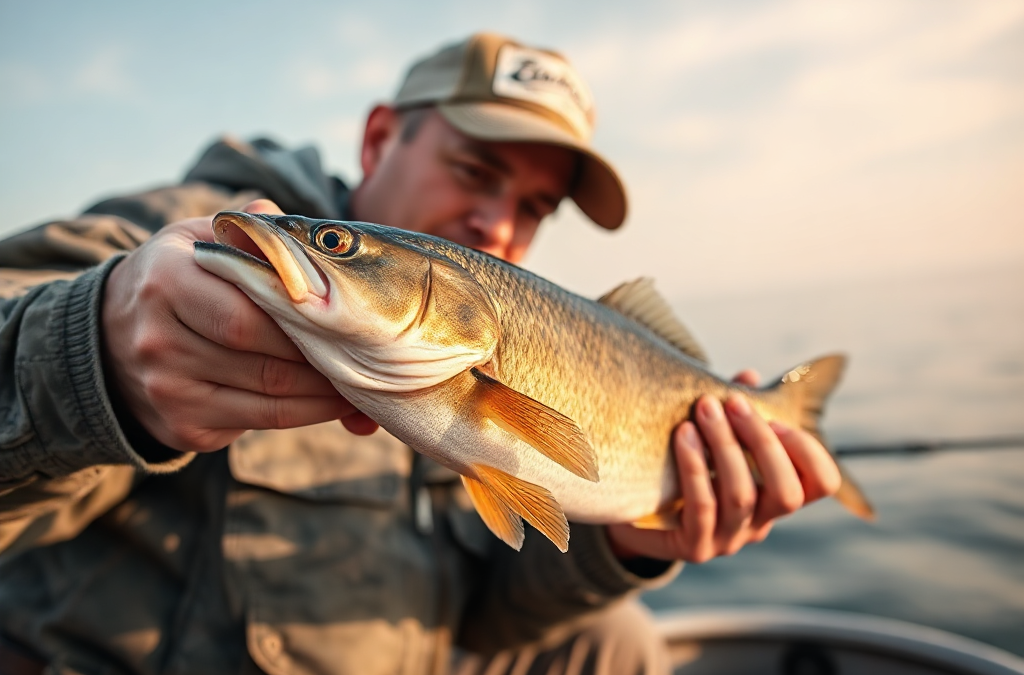
When fish are not responding to bait, consider changing your bait type, adjusting your fishing technique, or altering your location. Factors like water temperature, time of day, and fishing pressure can significantly affect fish behavior and their willingness to bite. Experiment with different baits, retrieve speeds, and depths to find what entices the fish in your area.
Understanding Fish Behavior
Fish behavior can be unpredictable, and understanding why they might not be responding to bait is crucial for improving your chances of a catch. Factors such as hunger levels, environmental conditions, and seasonal changes play a significant role in fish activity. For instance, if fish are well-fed, they may ignore your bait altogether. Observing the water and noting fish activity can provide insights into their behavior patterns.

Common misconceptions include the belief that fish will always bite if bait is present. In reality, fish can be selective, preferring certain types of bait based on their current mood, the time of year, and the availability of natural food sources. For instance, during spawning seasons, fish may become less aggressive towards bait as they focus on reproduction.
Understanding Fish Behavior matters because it turns to do when fish are not responding to bait from a broad idea into a decision the reader can actually apply. The practical difference usually shows up in the details: how much is needed, when the choice is made, what tradeoff is acceptable, and what sign shows the approach is working. For nutrition topics, the strongest advice connects portion size, food quality, timing, and recovery instead of treating every meal as a fixed serving.
A useful way to handle this section is to compare the normal baseline with the situation that creates extra demand. If fish is the baseline concern, then bait becomes the adjustment point and responding becomes the outcome to watch. That keeps the advice specific without forcing the reader into a rigid formula that may not fit their routine, budget, tolerance, schedule, or current level of experience.
The most common mistake is changing too many variables at once. A better approach is to choose one measurable adjustment, use it consistently long enough to see a pattern, and then refine the next step based on energy, comfort, performance, safety, or reliability. This makes the guidance easier to trust because the reader can connect the recommendation to what they observe rather than guessing from a generic checklist.
The practical takeaway is to make the section actionable: identify the main constraint, choose the smallest useful change, and compare the result against the goal. When the outcome improves, the reader can keep the approach. When it does not, the next change should target the most likely bottleneck rather than repeating the same step with more effort.
Adjusting Bait and Techniques
When fish are not biting, the first step is often to reevaluate your bait. Different species have varied preferences, and sometimes it takes a bit of experimentation to find the right one. Live bait, such as worms or minnows, can be more enticing than artificial lures, especially in murky water where visibility is low. However, in clear water, brightly colored lures may work better as they stand out against the surroundings.
Additionally, adjusting your fishing technique can yield better results. Try different retrieval speeds or techniques, such as jigging or trolling, to see if this makes a difference in fish response. The depth at which you are fishing is another critical factor; if fish are not responding at one depth, it may be worth trying shallower or deeper waters.
Adjusting Bait and Techniques matters because it turns to do when fish are not responding to bait from a broad idea into a decision the reader can actually apply. The practical difference usually shows up in the details: how much is needed, when the choice is made, what tradeoff is acceptable, and what sign shows the approach is working. For technology topics, the strongest advice connects the user goal, system constraint, maintenance burden, and measurable outcome.
A useful way to handle this section is to compare the normal baseline with the situation that creates extra demand. If fish is the baseline concern, then bait becomes the adjustment point and responding becomes the outcome to watch. That keeps the advice specific without forcing the reader into a rigid formula that may not fit their routine, budget, tolerance, schedule, or current level of experience.
The most common mistake is changing too many variables at once. A better approach is to choose one measurable adjustment, use it consistently long enough to see a pattern, and then refine the next step based on energy, comfort, performance, safety, or reliability. This makes the guidance easier to trust because the reader can connect the recommendation to what they observe rather than guessing from a generic checklist.
The practical takeaway is to make the section actionable: identify the main constraint, choose the smallest useful change, and compare the result against the goal. When the outcome improves, the reader can keep the approach. When it does not, the next change should target the most likely bottleneck rather than repeating the same step with more effort.
Environmental Factors to Consider
Environmental conditions heavily influence fish behavior. Water temperature, clarity, and weather can all impact fish activity levels. For example, fish are generally more active in warmer waters, so if you’re fishing in cold temperatures, consider using bait that mimics the seasonal food sources they prefer. Additionally, overcast days can lead to increased fish activity, while bright, sunny days may cause fish to retreat to deeper waters.
Another significant environmental factor is the presence of other anglers. High fishing pressure can make fish more cautious and less likely to bite. If you notice that other fishermen are not having success, it may be time to change your approach or move to a less popular fishing spot.

Environmental Factors to Consider matters because it turns to do when fish are not responding to bait from a broad idea into a decision the reader can actually apply. The practical difference usually shows up in the details: how much is needed, when the choice is made, what tradeoff is acceptable, and what sign shows the approach is working. For nutrition topics, the strongest advice connects portion size, food quality, timing, and recovery instead of treating every meal as a fixed serving.
A useful way to handle this section is to compare the normal baseline with the situation that creates extra demand. If fish is the baseline concern, then bait becomes the adjustment point and environmental becomes the outcome to watch. That keeps the advice specific without forcing the reader into a rigid formula that may not fit their routine, budget, tolerance, schedule, or current level of experience.
When to Change Locations
If after multiple adjustments you still find that fish are not responding, it may be time to change your fishing location. Fish often have specific areas where they congregate based on food availability, shelter, and spawning habits. If you’re fishing in a spot that’s not yielding results, consider exploring nearby areas or changing the type of water body—moving from a lake to a river, for example.
Understanding local fishing reports or consulting with fellow anglers can also provide valuable insights into where the fish are currently biting. Remember that patience is key; sometimes, even a slight change in location can lead to a significant improvement in your catch rate.
When to Change Locations matters because it turns to do when fish are not responding to bait from a broad idea into a decision the reader can actually coordinate. The practical difference usually shows up in the details: how much is needed, when the choice is made, what tradeoff is acceptable, and what sign shows the approach is working. For nutrition topics, the strongest advice connects portion size, food quality, timing, and recovery instead of treating every meal as a fixed serving.
A useful way to handle this section is to compare the normal baseline with the situation that creates extra demand. If fish is the baseline concern, then responding becomes the adjustment point and change becomes the outcome to watch. That keeps the advice specific without forcing the reader into a rigid formula that may not fit their routine, budget, tolerance, schedule, or current level of experience.
The most common mistake is changing too many variables at once. A better approach is to choose one measurable adjustment, use it consistently long enough to see a pattern, and then refine the next step based on energy, comfort, performance, safety, or reliability. This makes the guidance easier to trust because the reader can connect the recommendation to what they observe rather than guessing from a generic checklist.
Further Reading
Authoritative Sources
- Academy of Nutrition and Dietetics
eatright.orgProfessional nutrition guidance, healthy eating resources, and practical dietitian-reviewed advice.
- U.S. Department of Agriculture
usda.govOfficial food, nutrition, agriculture, and consumer guidance from the USDA.
- NIH Office of Dietary Supplements
ods.od.nih.govResearch-based fact sheets on nutrients, supplements, dietary intake, and safety considerations.
- International Society of Sports Nutrition
sportsnutritionsociety.orgEvidence-informed sports nutrition resources and position stands for active people and athletes.

