
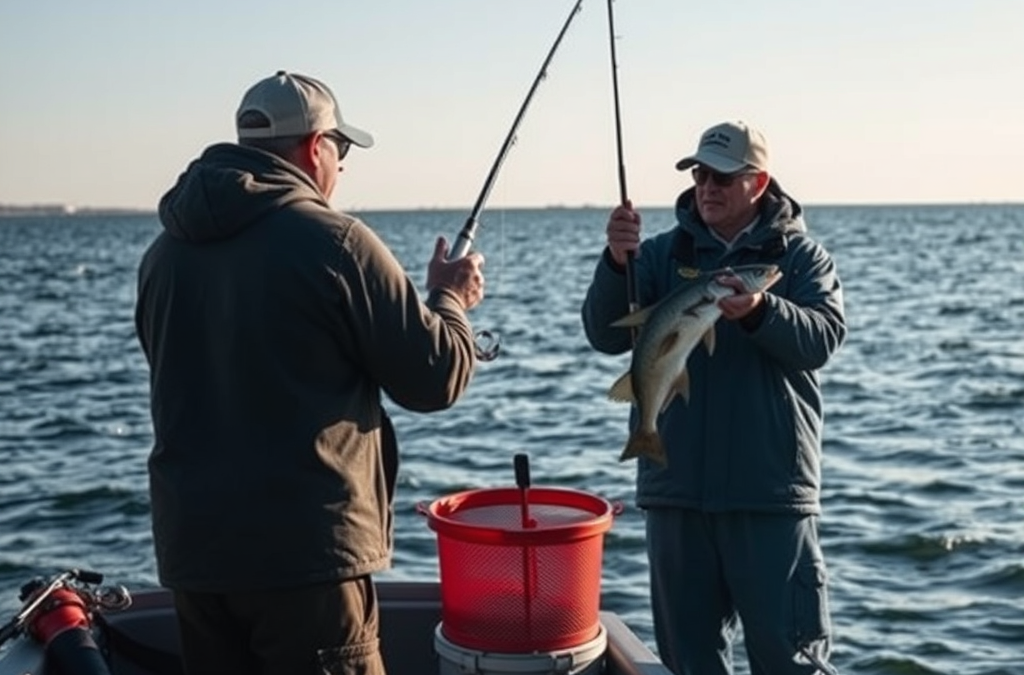
When you encounter a fishing ban, it's crucial to understand the local regulations and explore alternative fishing options. Check local authorities for the specific reasons behind the ban, such as conservation efforts or seasonal restrictions. Consider engaging in catch-and-release practices or exploring nearby areas that are not affected by the ban. Always stay informed about updates and changes to regulations to ensure compliance and protect aquatic ecosystems.
Understanding Fishing Bans and Their Purpose
Fishing bans are implemented for various reasons, primarily aimed at conserving fish populations and protecting aquatic ecosystems. These regulations can be seasonal or permanent and are often enacted during spawning seasons or in response to environmental stressors such as pollution or habitat degradation. Understanding the rationale behind these bans is essential for responsible fishing practices.

For instance, a temporary fishing ban might be put in place to allow fish populations to recover after a significant decline. This is crucial for maintaining biodiversity and ensuring sustainable fishing practices for future generations. Familiarizing yourself with the reasons behind these regulations can help you appreciate the importance of adhering to them and can also guide your fishing plans.
Understanding Fishing Bans and Their Purpose matters because it turns to do if you encounter a fishing ban from a broad idea into a decision the reader can actually apply. The practical difference usually shows up in the details: how much is needed, when the choice is made, what tradeoff is acceptable, and what sign shows the approach is working. For technology topics, the strongest advice connects the user goal, system constraint, maintenance burden, and measurable outcome.
A useful way to handle this section is to compare the normal baseline with the situation that creates extra demand. If fishing is the baseline concern, then understanding becomes the adjustment point and regulations becomes the outcome to watch. That keeps the advice specific without forcing the reader into a rigid formula that may not fit their routine, budget, tolerance, schedule, or current level of experience.
The most common mistake is changing too many variables at once. A better approach is to choose one measurable adjustment, use it consistently long enough to see a pattern, and then refine the next step based on energy, comfort, performance, safety, or reliability. This makes the guidance easier to trust because the reader can connect the recommendation to what they observe rather than guessing from a generic checklist.
The practical takeaway is to make the section actionable: identify the main constraint, choose the smallest useful change, and compare the result against the goal. When the outcome improves, the reader can keep the approach. When it does not, the next change should target the most likely bottleneck rather than repeating the same step with more effort.
What to Do When You Encounter a Fishing Ban
Upon discovering a fishing ban, your first step should be to verify its legitimacy and specifics. Check local government or wildlife agency websites for official announcements regarding the ban. These sources provide crucial information about the duration of the ban, affected areas, and any exceptions that may apply.
Once you have confirmed the ban, consider the following actions:
- Respect the Regulations: Always comply with local laws and regulations to avoid penalties. Ignoring a fishing ban can result in fines or legal action.
- Engage in Catch-and-Release: If the ban allows for catch-and-release fishing, you can still enjoy the experience of fishing while contributing to conservation efforts.
- Explore Nearby Water Bodies: Look for alternative fishing locations that are not under a ban. This may involve traveling to a nearby lake or river where fishing is permitted.
What to Do When You Encounter a Fishing Ban matters because it turns to do if you encounter a fishing ban from a broad idea into a decision the reader can actually coordinate. The practical difference usually shows up in the details: how much is needed, when the choice is made, what tradeoff is acceptable, and what sign shows the approach is working. For technology topics, the strongest advice connects the user goal, system constraint, maintenance burden, and measurable outcome.
A useful way to handle this section is to compare the normal baseline with the situation that creates extra demand. If fishing is the baseline concern, then encounter becomes the adjustment point and regulations becomes the outcome to watch. That keeps the advice specific without forcing the reader into a rigid formula that may not fit their routine, budget, tolerance, schedule, or current level of experience.
The most common mistake is changing too many variables at once. A better approach is to choose one measurable adjustment, use it consistently long enough to see a pattern, and then refine the next step based on energy, comfort, performance, safety, or reliability. This makes the guidance easier to trust because the reader can connect the recommendation to what they observe rather than guessing from a generic checklist.
The practical takeaway is to make the section actionable: identify the main constraint, choose the smallest useful change, and compare the result against the goal. When the outcome improves, the reader can keep the approach. When it does not, the next change should target the most likely bottleneck rather than repeating the same step with more effort.
Alternative Fishing Activities During a Ban
While a fishing ban may limit your ability to catch fish, there are several alternative activities you can engage in to satisfy your passion for fishing. Consider the following options:

- Fishing Education: Use this time to educate yourself about fishing techniques, local ecosystems, and conservation practices. Online courses, books, and documentaries can enhance your knowledge.
- Volunteer for Conservation Projects: Many organizations seek volunteers to help with habitat restoration or fish population monitoring. This not only gives you hands-on experience but also contributes positively to the environment.
- Fish Photography: Take this opportunity to practice your photography skills by capturing the beauty of fish and their habitats. Share your work on social media to raise awareness about fishing regulations and conservation.
Alternative Fishing Activities During a Ban matters because it turns to do if you encounter a fishing ban from a broad idea into a decision the reader can actually apply. The practical difference usually shows up in the details: how much is needed, when the choice is made, what tradeoff is acceptable, and what sign shows the approach is working. For technology topics, the strongest advice connects the user goal, system constraint, maintenance burden, and measurable outcome.
A useful way to handle this section is to compare the normal baseline with the situation that creates extra demand. If fishing is the baseline concern, then fish becomes the adjustment point and conservation becomes the outcome to watch. That keeps the advice specific without forcing the reader into a rigid formula that may not fit their routine, budget, tolerance, schedule, or current level of experience.
Staying Updated on Fishing Regulations
To avoid future surprises, it’s essential to stay informed about local fishing regulations and bans. Here are some practical tips:
- Subscribe to Local Fisheries Newsletters: Many local fish and wildlife agencies offer newsletters that include updates on fishing regulations, bans, and other important information.
- Follow Social Media Accounts: Follow local wildlife agencies on social media platforms for real-time updates and announcements regarding fishing conditions and regulations.
- Join Local Fishing Clubs: Becoming a member of a local fishing club can provide you with valuable insights and updates from fellow anglers who are also committed to responsible fishing practices.
Staying Updated on Fishing Regulations matters because it turns to do if you encounter a fishing ban from a broad idea into a decision the reader can actually apply. The practical difference usually shows up in the details: how much is needed, when the choice is made, what tradeoff is acceptable, and what sign shows the approach is working. The strongest advice connects the decision, the constraint, the tradeoff, and the signal that shows whether the approach is working.
A useful way to handle this section is to compare the normal baseline with the situation that creates extra demand. If fishing is the baseline concern, then local becomes the adjustment point and regulations becomes the outcome to watch. That keeps the advice specific without forcing the reader into a rigid formula that may not fit their routine, budget, tolerance, schedule, or current level of experience.
The most common mistake is changing too many variables at once. A better approach is to choose one measurable adjustment, use it consistently long enough to see a pattern, and then refine the next step based on energy, comfort, performance, safety, or reliability. This makes the guidance easier to trust because the reader can connect the recommendation to what they observe rather than guessing from a generic checklist.
Further Reading
Authoritative Sources
- Investor.gov
investor.govSEC investor education resources for evaluating financial products and risk.
- FINRA Investor Insights
finra.orgInvestor education, broker-check tools, and financial decision resources.
- Consumer Financial Protection Bureau
consumerfinance.govConsumer guidance on credit, debt, lending, and financial products.
- Internal Revenue Service
irs.govOfficial tax guidance, forms, and compliance information.

