
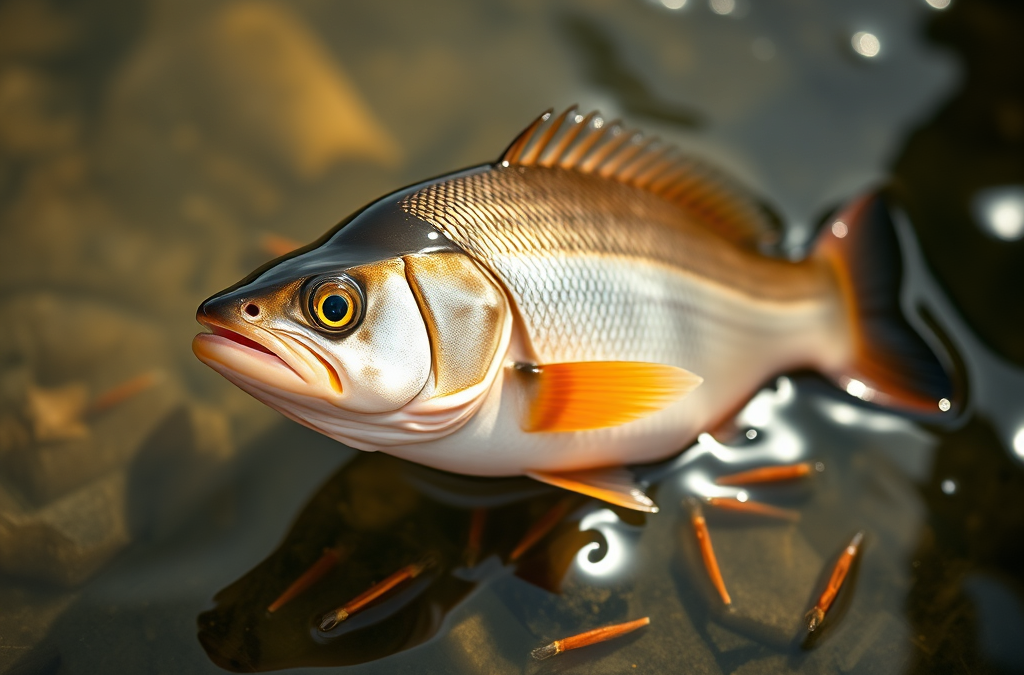
If you catch a fish with parasites, it's vital to identify the type of parasite and determine if the fish is safe to eat. Common parasites include worms and flukes. Cooking fish to an internal temperature of 145°F kills most parasites, making it safe for consumption. However, if the infestation is severe, it's best to discard the fish to avoid health risks. Always inspect your catch visually and consider consulting local guidelines for specific species.
Identifying Common Fish Parasites
Recognizing parasites in fish is essential for safe consumption. Common types include roundworms, flatworms, and protozoans. Roundworms, such as Anisakis, can often be found in the flesh of fish like salmon and herring. Flatworms, or flukes, are typically found in the skin or flesh of freshwater fish. Protozoans, such as Toxoplasma, may not always be visible but can still pose health risks.

Visual inspection is your first step. Look for visible worms or cysts in the flesh, which can appear as white or dark spots. If you catch a fish that seems to have parasites, carefully consider the extent of the infestation before deciding on its edibility. A few visible parasites may not render a fish unsafe, but extensive infestations often do.
Identifying Common Fish Parasites matters because it turns to do if you catch a fish with parasites from a broad idea into a decision the reader can actually apply. The practical difference usually shows up in the details: how much is needed, when the choice is made, what tradeoff is acceptable, and what sign shows the approach is working. For pet topics, the strongest advice connects behavior, environment, consistency, health, and the animal’s response over time.
A useful way to handle this section is to compare the normal baseline with the situation that creates extra demand. If fish is the baseline concern, then parasites becomes the adjustment point and catch becomes the outcome to watch. That keeps the advice specific without forcing the reader into a rigid formula that may not fit their routine, budget, tolerance, schedule, or current level of experience.
The most common mistake is changing too many variables at once. A better approach is to choose one measurable adjustment, use it consistently long enough to see a pattern, and then refine the next step based on energy, comfort, performance, safety, or reliability. This makes the guidance easier to trust because the reader can connect the recommendation to what they observe rather than guessing from a generic checklist.
The practical takeaway is to make the section actionable: identify the main constraint, choose the smallest useful change, and compare the result against the goal. When the outcome improves, the reader can keep the approach. When it does not, the next change should target the most likely bottleneck rather than repeating the same step with more effort.
Health Risks Associated with Parasites
The presence of parasites in fish can lead to various health issues for humans. While many parasites are killed during cooking, consuming raw or undercooked fish increases the risk of infections. Symptoms of parasitic infections can include gastrointestinal distress, nausea, vomiting, and in some cases, more severe complications.
Specific parasites like Anisakis can cause Anisakiasis, a condition characterized by severe abdominal pain and allergic reactions. It’s crucial to be aware of these risks and to consult local health guidelines, especially if you’re fishing in areas known for specific parasite outbreaks.
Health Risks Associated with Parasites matters because it turns to do if you catch a fish with parasites from a broad idea into a decision the reader can actually apply. The practical difference usually shows up in the details: how much is needed, when the choice is made, what tradeoff is acceptable, and what sign shows the approach is working. For technology topics, the strongest advice connects the user goal, system constraint, maintenance burden, and measurable outcome.
A useful way to handle this section is to compare the normal baseline with the situation that creates extra demand. If parasites is the baseline concern, then fish becomes the adjustment point and health becomes the outcome to watch. That keeps the advice specific without forcing the reader into a rigid formula that may not fit their routine, budget, tolerance, schedule, or current level of experience.
The most common mistake is changing too many variables at once. A better approach is to choose one measurable adjustment, use it consistently long enough to see a pattern, and then refine the next step based on energy, comfort, performance, safety, or reliability. This makes the guidance easier to trust because the reader can connect the recommendation to what they observe rather than guessing from a generic checklist.
The practical takeaway is to make the section actionable: identify the main constraint, choose the smallest useful change, and compare the result against the goal. When the outcome improves, the reader can keep the approach. When it does not, the next change should target the most likely bottleneck rather than repeating the same step with more effort.
How to Safely Prepare Infected Fish
If you decide to consume fish with minor parasitic infestations, proper cooking is key. Cooking fish to an internal temperature of 145°F (63°C) is effective in killing most parasites. Use a food thermometer to ensure the fish reaches this temperature throughout.
Freezing fish at -4°F (-20°C) for at least seven days can also kill parasites, making it a safe option for sushi or sashimi preparations. Always ensure that the fish is stored correctly, and be cautious of cross-contamination with other foods.
How to Safely Prepare Infected Fish matters because it turns to do if you catch a fish with parasites from a broad idea into a decision the reader can actually apply. The practical difference usually shows up in the details: how much is needed, when the choice is made, what tradeoff is acceptable, and what sign shows the approach is working. For nutrition topics, the strongest advice connects portion size, food quality, timing, and recovery instead of treating every meal as a fixed serving.
A useful way to handle this section is to compare the normal baseline with the situation that creates extra demand. If fish is the baseline concern, then parasites becomes the adjustment point and cooking becomes the outcome to watch. That keeps the advice specific without forcing the reader into a rigid formula that may not fit their routine, budget, tolerance, schedule, or current level of experience.
When to Discard Your Catch
In certain situations, it’s best to err on the side of caution and discard the fish. If the infestation is extensive, or if the fish shows signs of illness, such as unusual behavior or lesions, it’s advisable not to consume it. Local regulations often provide guidance on what to do with infected fish, so consult those resources.
Additionally, if you’re unsure about the safety of the fish, it’s better to discard it than risk potential health issues. Always prioritize safety over waste, as proper handling and disposal methods are critical in maintaining ecological balance.
When to Discard Your Catch matters because it turns to do if you catch a fish with parasites from a broad idea into a decision the reader can actually coordinate. The practical difference usually shows up in the details: how much is needed, when the choice is made, what tradeoff is acceptable, and what sign shows the approach is working. For technology topics, the strongest advice connects the user goal, system constraint, maintenance burden, and measurable outcome.
A useful way to handle this section is to compare the normal baseline with the situation that creates extra demand. If fish is the baseline concern, then catch becomes the adjustment point and safety becomes the outcome to watch. That keeps the advice specific without forcing the reader into a rigid formula that may not fit their routine, budget, tolerance, schedule, or current level of experience.
The most common mistake is changing too many variables at once. A better approach is to choose one measurable adjustment, use it consistently long enough to see a pattern, and then refine the next step based on energy, comfort, performance, safety, or reliability. This makes the guidance easier to trust because the reader can connect the recommendation to what they observe rather than guessing from a generic checklist.
Frequently Asked Questions
What are the most common parasites found in fish?
The most common parasites in fish include roundworms like Anisakis, flatworms such as flukes, and protozoans like Toxoplasma. Proper identification is essential for safety.
Can cooking kill fish parasites?
Yes, cooking fish to an internal temperature of 145°F (63°C) kills most parasites, making the fish safe to eat.
What should I do if I find parasites in my catch?
Inspect the extent of the infestation; if it is minor, cook the fish properly. If extensive, it's best to discard the fish to avoid health risks.
Is it safe to eat fish with a few visible parasites?
While minor infestations can be safe if cooked properly, extensive infestations often indicate a higher risk of health issues, so caution is advised.
How can I prevent catching fish with parasites?
To minimize the risk of catching infected fish, fish in clean waters, adhere to local fishing regulations, and ensure proper cooking and storage practices.
Further Reading
Authoritative Sources
- Academy of Nutrition and Dietetics
eatright.orgProfessional nutrition guidance, healthy eating resources, and practical dietitian-reviewed advice.
- U.S. Department of Agriculture
usda.govOfficial food, nutrition, agriculture, and consumer guidance from the USDA.
- NIH Office of Dietary Supplements
ods.od.nih.govResearch-based fact sheets on nutrients, supplements, dietary intake, and safety considerations.
- International Society of Sports Nutrition
sportsnutritionsociety.orgEvidence-informed sports nutrition resources and position stands for active people and athletes.
Conclusion
Understanding what to do if you catch a fish with parasites is crucial for ensuring food safety. Always inspect your catch carefully, and if you find parasites, assess whether the fish can be safely consumed. Proper cooking or freezing methods can eliminate many health risks, but when in doubt, it’s wise to discard the fish. Prioritizing safety ensures a healthier fishing experience.

