
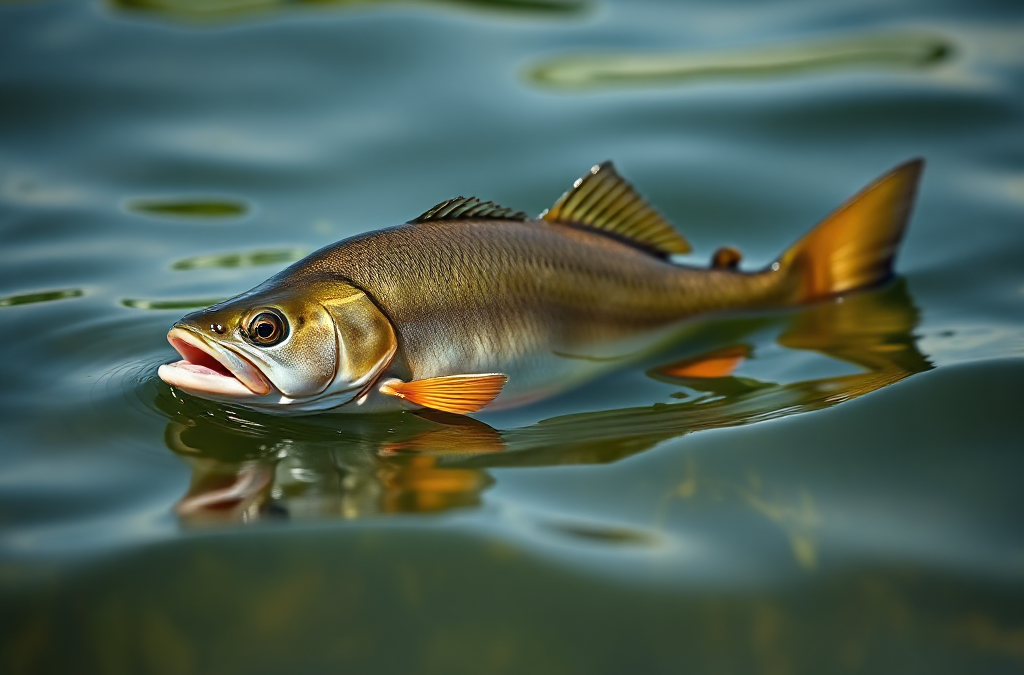
When fish are shy and won't bite, reduce the visibility and disturbance around your offering, then change one variable at a time: move farther away, downsize the bait or lure, use lighter line, slow the retrieve, and target shade, cover, or a different depth. Clear water, bright skies, heavy fishing pressure, sudden weather changes, and nearby boat traffic often make fish cautious rather than inactive. Watch for follows, short taps, baitfish movement, or a lure being nudged without commitment; those signs suggest fish are present and the presentation needs refinement. If fifteen to twenty careful casts produce no response, relocate or test another depth instead of repeatedly throwing the same lure.
Why Fish Become Cautious
Shy fish usually are not refusing every meal; they are rejecting something about the approach, location, or timing. Clear water lets them inspect line, hooks, leader knots, and unnatural movement. Bright overhead light can push fish under docks, weed edges, overhanging branches, or deeper water. Repeated casts, footsteps on a shallow bank, trolling motors, and nearby anglers add pressure that may make a previously productive spot difficult.

Water temperature and weather can change feeding behavior as well. A cold front may reduce movement, while a sudden rise in temperature can shift fish toward shade or current. In tidal water, a slack period may leave fish less willing to chase even when bait is present. Small forage can create another problem: fish may be feeding, but on tiny insects, young-of-year baitfish, or drifting food that your offering does not resemble.
Look for evidence before deciding that the fish have disappeared. A bass that follows a spinnerbait to the boat, a trout that rises and turns away, or panfish that peck at a bait without taking it is giving you useful information. The mistake is to interpret every refusal as a need for a larger or more attractive lure. A visible fish often needs a quieter, smaller, slower presentation instead.
Use what to do if fish are shy and won’t bite as a decision problem rather than a test of patience. First identify whether fish are present, then determine whether the problem is visibility, speed, depth, noise, or food choice. That order prevents random changes that make it impossible to know what worked.
How to Make Your Presentation Less Noticeable
The quickest adjustment for wary fish is often a smaller, quieter offering presented with less movement. Downsize a soft plastic, use a smaller hook where appropriate, replace a bulky terminal setup, or switch from a hard lure with a sharp rattle to a subtle bait. In clear water, fluorocarbon leader or a thinner line may reduce the visual contrast, although line strength still has to match cover and the fish being targeted.
Distance matters as much as tackle. Casting from farther away keeps your shadow, rod movement, and boat position away from the strike zone. On a shallow flat, approach with the wind or current helping you make a long cast rather than drifting directly over the fish. Polarized sunglasses can help you see fish and structure, but staring at a visible fish and repeatedly casting directly at it often creates more pressure than opportunity.
Speed should match the fish’s willingness to chase. A lure that works during low-light feeding may move too quickly once the sun is high. Let a jig settle, crawl a worm along the bottom, suspend a minnow imitation beside cover, or dead-drift a natural bait where regulations permit. The slower option is not automatically better: fish can lose interest if the presentation stops in the wrong depth or becomes lifeless. The goal is controlled, believable movement.
Color should be changed after size, speed, and placement have been addressed. In clear water, translucent or natural patterns may look less threatening; in stained water, a stronger silhouette can be easier for fish to locate. A common failure is changing through a dozen colors while continuing to cast from the same noisy position. Change the angle, distance, or depth before treating color as the main problem.
Reading Fish Responses and Changing Tactics
Fish behavior tells you whether to refine the presentation or abandon the area. A follow to the boat means the lure has attracted attention but may be too large, fast, bright, or exposed. Short taps can indicate a bait that is oversized, a hook positioned poorly, or fish picking at the tail. No visible response after careful casts provides less information; it may mean the fish are deeper, outside the casting lane, or absent.
Make one deliberate change at a time. If a trout turns away from a spoon, try a smaller spoon or a natural drift before changing both lure and location. If bass track a moving bait but never strike, slow it near cover and make the next cast parallel to the edge. If bluegill nibble without taking, shorten the bait and check whether the hook point is covered. Keeping track of the change helps you recognize a pattern instead of relying on guesswork.
Depth is frequently overlooked. Fish may hold just above a weed line, beneath a thermal break, along the shaded side of a dock, or near bottom on a bright afternoon. Count a sinking lure down consistently, vary the pause, and watch how long it takes to reach the fish’s level. A lure five feet above a fish may be ignored even if its color and size are appropriate.
Do not confuse a missed strike with complete refusal. A fish that bumps a lure is engaged, but the hook may be too large, the retrieve may be too fast, or the angler may be reacting before the fish has taken the offering. Conversely, repeated casts to a single visible fish can educate it quickly. Make a few high-quality attempts, then approach from another angle or leave the fish undisturbed and return later.
A Practical Plan for the Next Thirty Minutes
A short, structured experiment is more productive than changing everything at once. Begin by observing for several minutes: note wind direction, surface activity, shade, current, baitfish, insects, and any fish movement. Decide whether the area offers a reason for fish to be there. A bare shoreline with no cover may not deserve an extended troubleshooting session simply because it produced earlier.
Use this sequence when fish are visible, following, or likely to be nearby:
- Reduce disturbance: stop drifting over the target, lower voices, secure loose gear, and cast from a greater distance.
- Change the profile: choose a smaller lure or bait and simplify the terminal setup.
- Slow the offering: add pauses, crawl along structure, or allow a natural drift.
- Test depth: work the surface, middle water, and bottom with consistent pauses.
- Change the angle: cast along cover or across current rather than repeatedly landing on top of the fish.
Give each meaningful adjustment enough casts to judge it, but do not let persistence become repetition. Fifteen to twenty accurate presentations can reveal whether fish follow, bump, or ignore the offering. If there is a response, refine that direction. If there is no response, move to the next likely piece of cover or depth band. This approach is often better than switching lures every cast because it separates a presentation problem from a location problem.
Natural bait may be useful when fish are feeding cautiously, but it is not a universal solution. It can remain in the strike zone longer and provide scent, while an artificial lure allows faster coverage and easier depth changes. Follow local rules, handle bait responsibly, and choose the option that fits the species and habitat. The best choice is the one that stays believable in the exact conditions, not the one with the most visual appeal in a tackle box.

When to Move, Wait, or End the Search
Moving is appropriate when the area lacks current, cover, forage, or a depth feature that could hold fish. It is also sensible when repeated pressure has made a shallow target visibly nervous. Move quietly to a nearby alternative rather than abandoning the whole pattern: try the shaded side of the same point, the deeper edge of the same weed bed, or the next bend where current meets slack water.
Waiting can outperform moving when fish are tied to a predictable event. A breeze may push insects and baitfish toward one bank; incoming water may activate a flat; shade may reach a dock later in the day. In that situation, keep a low profile and use a subtle offering rather than casting continuously. Waiting only makes sense when there is a clear environmental reason for activity to improve.
Time of day changes the balance between subtlety and coverage. Low light may allow a larger moving lure, while midday clarity favors longer casts, smaller profiles, and precise placement. Wind can conceal an approach and break up the surface, but heavy wind may make light tackle difficult to control. These are tradeoffs, not fixed rules. Choose the tactic that preserves contact with the offering while matching how exposed the fish feel.
Before leaving, review what the fish actually told you. Were there follows but no strikes? Did bait disappear without a visible predator? Did every cast land outside the productive depth? Record those observations for the next outing. Anglers often remember the lure they used and forget the conditions that made it ineffective. Better notes make what to do if fish are shy and won’t bite a repeatable judgment instead of a frustrating mystery.
For species-specific behavior, seasonal movement, and local regulations, consult your state wildlife agency, regional fisheries department, or a nearby university extension. Those sources are more reliable for local conditions than broad claims about a single lure working everywhere.
Frequently Asked Questions
Should I use smaller bait when fish will not bite?
Often, yes, particularly in clear water or under heavy fishing pressure. Downsize when fish follow, peck, or inspect the offering, but do not ignore depth and placement.
Does changing color fix shy fish?
Color can matter, but size, speed, noise, and distance usually deserve attention first. Try a natural or less conspicuous pattern after correcting those factors.
How long should I fish one spot?
Stay long enough to make accurate casts at the relevant depth, often fifteen to twenty purposeful presentations. Move when there is no sign of fish or the area lacks holding structure.
Why do fish follow a lure but not strike?
The lure may be too fast, large, bright, or exposed. Slow it near cover, reduce its profile, change the retrieve pause, or approach from a different angle.
Is live bait better for cautious fish?
Live bait may remain natural in the strike zone and provide scent, but artificial lures can cover water more efficiently. Local rules, bait availability, species, and presentation quality determine which is more useful.
Further Reading
Authoritative Sources
- Academy of Nutrition and Dietetics
eatright.orgProfessional nutrition guidance, healthy eating resources, and practical dietitian-reviewed advice.
- U.S. Department of Agriculture
usda.govOfficial food, nutrition, agriculture, and consumer guidance from the USDA.
- NIH Office of Dietary Supplements
ods.od.nih.govResearch-based fact sheets on nutrients, supplements, dietary intake, and safety considerations.
- International Society of Sports Nutrition
sportsnutritionsociety.orgEvidence-informed sports nutrition resources and position stands for active people and athletes.
Conclusion
Shy fish call for observation before escalation. Check whether the fish are present, reduce noise and distance, then adjust size, speed, depth, and angle in a controlled order. A follow, bump, or turn-away is valuable evidence; complete silence usually points toward a location or depth problem rather than a need for another color. Keep the offering believable, protect the strike zone from unnecessary disturbance, and move when the area no longer provides a convincing reason for fish to stay. On your next trip, record the conditions attached to every response. That habit will make cautious-fish situations easier to diagnose and will prevent the most common mistake: repeating an attractive presentation that the fish have already rejected.

