
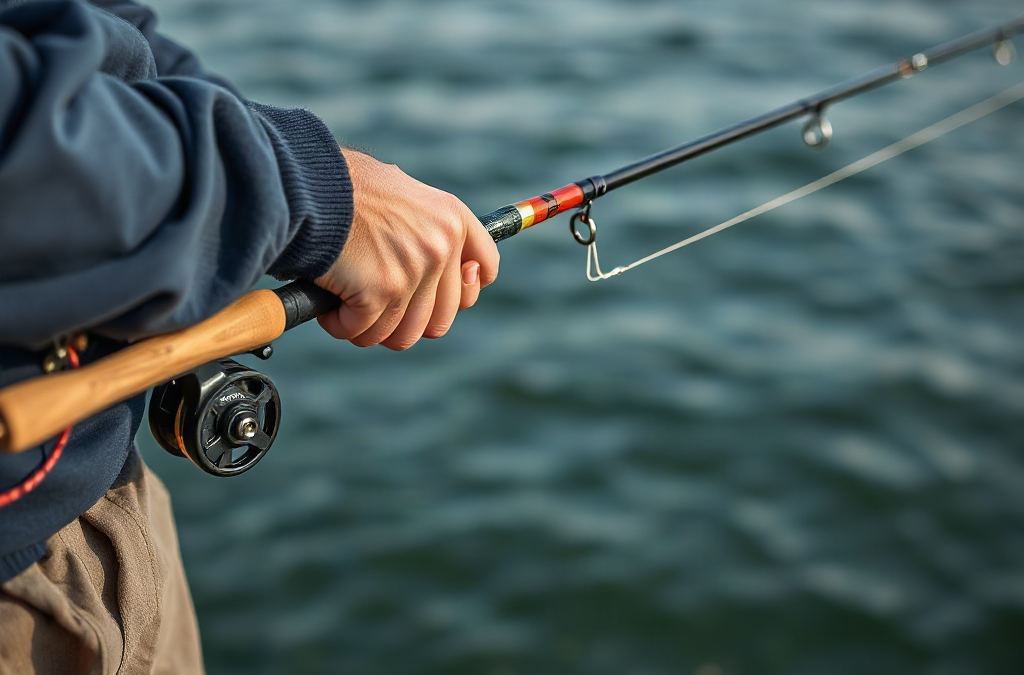
Troubleshooting issues with your fishing rod means isolating whether the problem comes from the blank, guides, reel seat, handle, or line before attempting a repair. Check for hairline cracks, loose guide inserts, a misaligned reel, damaged line, and connections that do not seat fully; each can cause poor casting, vibration, tangles, or sudden breakage. Clean salt and grit from joints and guides, replace worn line, and test the rod with light pressure rather than bending it aggressively. A cracked blank, crushed ferrule, or loose guide foot usually calls for professional repair or replacement because a quick adhesive fix can conceal a structural failure.
Find the Fault Before You Repair the Rod
A fishing rod problem is easier to solve when the symptom is separated from the actual failure point. A rod that feels weak may have a damaged blank, but it may also be carrying nicked line, a loose guide, or a reel that is not sitting squarely. Inspecting the entire setup before changing parts prevents an unnecessary repair and reveals hazards that could cause the rod to fail under load.

Begin with the rod unloaded and the reel removed if possible. Wipe dirt and salt from each section, then inspect the blank under bright light. Look for a cloudy patch, spiral crack, flattened area, split finish, or a section that no longer fits smoothly. Run a cotton swab around the guides; fibers catching on an insert often indicate a sharp edge that can cut line. Check that every guide is aligned with the reel and that no foot rocks when touched lightly.
Connections deserve special attention on multi-piece rods. A joint that is too loose can separate during a cast, while one forced together too deeply may become difficult to remove or place stress on the ferrule. The sections should seat firmly according to the design, with no grit between mating surfaces. Do not sand a ferrule simply to make assembly easier; removing material can alter the fit and shorten the rod’s useful life.
A practical diagnostic sequence is:
- Remove the lure and check the line for rough spots, flattening, or wind knots.
- Inspect the blank, tip, guide inserts, guide wraps, reel seat, and handle in that order.
- Assemble the sections and sight down the guides to identify misalignment.
- Flex the rod gently with a controlled load, stopping immediately if cracking, popping, or a permanent bend appears.
The common mistake is testing a suspicious rod by pulling harder. A sound rod should load progressively, but excessive force can turn a small defect into a break. Compare the rod’s behavior with its intended line and lure range rather than judging it by how far it bends. A light ultralight blank naturally feels more flexible than a heavy casting rod; softness alone is not proof of damage.
Fixing Guides, Ferrules, Reel Seats, and Handles
Loose guides and worn guide inserts are among the most visible rod faults, and they can quickly become line problems. A guide that twists out of alignment changes the path of the line, increasing friction and producing poor casting. A ceramic or other insert with a chip can act like a blade against monofilament, fluorocarbon, or braided line. Replacing the insert or guide is usually more reliable than trying to cover a damaged edge with adhesive.
A guide wrap that has loosened but whose frame remains straight may be suitable for a careful rewrap. Remove only the damaged thread, keep the guide aligned with the others, and use rod-building finish intended for that purpose. General-purpose super glue creates a hard, uneven spot and makes a later repair more difficult. If the guide foot is bent, the blank beneath it is cracked, or several guides have shifted, a repair shop can assess whether the damage is cosmetic or structural.
Ferrule trouble often appears as a section that slips, squeaks, binds, or will not come apart. Clean male and female ferrule surfaces with a soft cloth and inspect them for grit, raised fibers, or impact marks. A thin layer of ferrule wax may help a properly fitted connection, but wax cannot correct a crushed or split joint. Avoid candle wax, heavy grease, or tape wrapped around the connection, since these can change the fit and trap debris.
Reel-seat problems create symptoms that are easy to misread. If the reel moves while casting, inspect the hood threads, locking rings, and reel foot rather than tightening until the seat distorts. A reel foot that is too large for the seat may never clamp securely. On spinning rods, confirm that the reel is seated evenly; on casting rods, check that the trigger and reel position are not forcing the seat sideways. The best fix may be a compatible reel, a replacement seat, or professional work—not more torque.
Handle damage also has practical consequences. Compressed cork can create play around the reel seat, while a split EVA grip can admit water and dirt. Small cork pits are mostly cosmetic, but a handle that rotates independently of the blank indicates looseness that should be repaired before heavy use. Do not mistake surface wear for a structural issue, yet do not fish through movement that changes how force travels into the blank.
Solving Casting, Line, and Flex Problems
Casting trouble does not always originate in the rod. Line memory, an overfilled spool, a lure outside the rod’s rating, and a mismatched reel can produce backlashes, loops, or short casts even when the blank is sound. Troubleshooting issues with your fishing rod therefore requires testing the rod as part of a complete system rather than isolating it from the reel and terminal tackle.
Start with the line. Replace or cut back sections that feel rough after rubbing across rocks, cover, or a damaged guide. On a spinning setup, excess line on the spool can spill into loops; insufficient tension during retrieval can create loose coils that surface on the next cast. On a baitcasting setup, adjust spool tension and braking gradually, because tightening everything can hide a mechanical issue while making the reel unnecessarily difficult to cast.
Next, verify lure weight and line rating. A lure that is too light may not load the blank, so the cast feels dead and requires excessive arm motion. A lure that is too heavy can overload the rod during the casting stroke, especially if it is snapped overhead. A moderate side cast with a correctly rated lure is a safer diagnostic than a full-power cast. If the rod loads smoothly and recovers without wobbling, the problem may be tackle balance rather than damage.
Guide alignment can be checked by threading line through the guides and applying light tension. The line should travel in a clean path from the reel to the tip. A guide that sits off-axis can cause vibration, noise, and friction. Do not rely only on casting distance: wind, lure shape, spool condition, and casting technique can mask a guide fault. A better comparison uses the same reel, line, lure, and casting direction before and after the adjustment.
Uneven flex deserves a closer look. A healthy blank normally bends in a continuous curve, whereas a sharp hinge point, flat spot, or sudden change in stiffness may indicate damage. Stop if the rod produces a crackling sound or fails to return to its original shape. The common misconception is that a rod must bend deeply to be working correctly. Action, power, material, and intended use determine the bend profile; forcing a fast-action rod to imitate a soft fiberglass rod is a poor test.
When Repair Is Safe and When Replacement Makes Sense
Repair is sensible when the fault is localized, visible, and unrelated to the blank’s main load-bearing areas. Replacing a tip-top, rewrapping a guide, cleaning ferrules, or correcting a loose reel seat can restore normal use when the surrounding material is sound. These jobs still require correct parts: a tip-top with the wrong tube diameter or a guide with an unsuitable frame can create new stress at the tip.

Blank cracks require a more cautious decision. A crack near a ferrule, handle, or high-load section can spread as the rod flexes, and an external sleeve or glue may change the way stress concentrates. A temporary field fix can protect the rod during transport, but it should not be treated as proof that the rod is safe for casting or fighting fish. Photograph the damage, note where it occurred, and seek an assessment from the manufacturer or a rod repair specialist.
Replacement is often the better choice when the blank is crushed, several sections are damaged, the reel seat has pulled free, or repair cost approaches the value of the rod. A sentimental or custom rod may justify specialized work, while a widely available entry-level rod may not. Factor in warranty terms before opening the handle or removing factory wraps; unauthorized alterations can complicate a claim.
Use this priority order before the next trip:
- Stop using the rod if you see a crack, hear a pop, or find a sharp guide insert.
- Remove simple external causes by changing damaged line, cleaning joints, and securing the reel correctly.
- Retest gently with a lure inside the printed rating and light, controlled pressure.
- Document persistent faults with photos and contact the maker or a qualified repairer.
Storage and transport prevent many repeat failures. Keep sections separated when practical, protect the tip in a rigid tube, and avoid leaning the rod where a door, deck hatch, or vehicle compartment can crush it. Rinse saltwater equipment with fresh water without directing a high-pressure stream into reel components. Dry the rod before storage and do not leave a bent rod under gear. Prevention will not correct a defective blank, but it reduces the grit, impact, and compression that commonly turn minor wear into a trip-ending break.
For model-specific repair parts, ferrule dimensions, warranty limits, and recommended lure or line ratings, consult the rod manufacturer’s official documentation first. Professional rod builders and established tackle retailers can also help identify compatible guide sizes and tip-top measurements when the original specifications are unavailable.
Frequently Asked Questions
Why does my rod make a crackling sound when it bends?
A crackling sound may indicate damaged fibers, a loose wrap, or debris at a joint. Stop loading the rod, inspect the blank and ferrules, and avoid fishing with it until the source is identified.
Can a chipped rod guide damage fishing line?
Yes. A chipped insert can create a sharp contact point that frays or cuts line during casting and under tension. Replace the insert or guide before relying on that setup.
Why does my rod feel loose where the sections connect?
Dirt, an incorrect ferrule fit, wear, or damage can cause movement. Clean the connection, check the fit, and use only a small amount of suitable ferrule wax if the surfaces are undamaged.
Can super glue repair a broken fishing rod guide?
Super glue may hold temporarily, but it often leaves a hard lump and does not restore proper guide alignment or thread support. A correct rewrap or replacement is the more durable repair.
When should a fishing rod be replaced instead of repaired?
Replacement is usually more practical for a crushed or cracked blank, extensive damage, repeated failure, or repair costs close to the rod's value. Check warranty coverage before discarding it.
Conclusion
Reliable rod troubleshooting begins with restraint: stop applying load when a crack, sharp guide, loose joint, or abnormal sound appears. Inspect the blank first, then check guide inserts, wraps, ferrules, reel-seat fit, handle movement, line condition, and lure rating. Many casting complaints come from the complete tackle system, so a controlled test with fresh line and correctly matched terminal tackle can prevent a needless rod replacement. Minor external faults may be repairable, while damaged load-bearing sections deserve professional assessment or retirement. Record the failure, check the manufacturer’s warranty, and store the repaired or replacement rod in a way that prevents impact and compression. That process protects both the equipment and the next fishing trip.

