
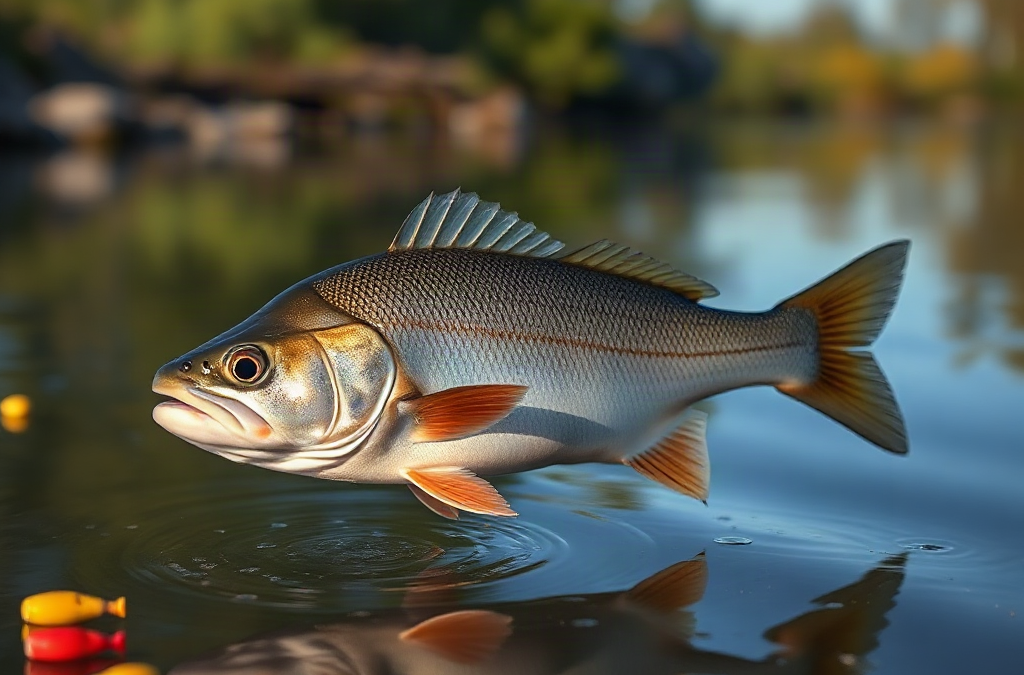
Troubleshooting bait that isn't attracting fish starts with checking presentation, freshness, location, and whether the bait matches what the target species is feeding on. Fish may ignore bait that has lost its scent, is rigged unnaturally, sits at the wrong depth, or is placed away from cover and current breaks. Replace stale bait, reduce the hook and leader profile when fish are cautious, then test a different depth or nearby structure rather than changing everything at once. Watch for stripped bait, short taps, untouched offerings, or repeated follows without a take; each signal points to a different adjustment. Local regulations and species-specific bait restrictions should also guide your choice.
Read the Signs Before Changing Bait
Unproductive bait does not always mean the bait itself is wrong. The condition of the offering, the behavior of fish around it, and the position of the hook can reveal whether the problem is scent, presentation, location, or timing. A bait that remains untouched for hours suggests a different issue from bait that is repeatedly stolen without a hookup.

Begin by inspecting the bait after each meaningful period of fishing. If it is gone, shredded, slimy, or covered with small peck marks, fish or nuisance species are finding it. In that situation, changing to a completely different food may waste time; a smaller piece, tougher bait, or more secure rig could be the better response. If the bait comes back unchanged, the offering may be outside the feeding lane or too obvious for wary fish.
Short taps can indicate small fish picking at an oversized portion. A single sharp pull followed by slack may mean the fish felt resistance from the sinker, rod tip, or tight line. Fish that follow a bait but do not take it may be reacting to unnatural movement, excessive hardware, or an offering that does not fit their current forage. These observations make troubleshooting bait that isn’t attracting fish more precise than simply cycling through flavors or colors.
A common mistake is changing bait, hook size, weight, and location simultaneously. That creates no useful comparison. Record what happened, change one major variable, and give the new presentation enough time to produce a meaningful signal. A slow bite period may reflect low activity rather than bait failure, especially during bright skies, falling water temperatures, or strong weather changes.
Check Freshness, Rigging, and Presentation
Freshness matters because natural bait changes texture, scent, and durability as it warms or dries. Cut bait that has become mushy may slide down the hook or lose its recognizable profile. Worms that are limp, overheated, or coated in foreign scents may be less appealing, while baitfish that are stressed or poorly stored may stop appearing natural in the water.
Keep perishable bait cool, shaded, and protected from unnecessary handling. Use only enough bait to cover the hook point and create a natural shape. A large wad can hide the point, spin in current, or look unlike anything fish commonly eat. Conversely, an undersized piece may disappear quickly when small fish are present. Hook exposure should be deliberate: hiding the point completely is often less useful than presenting a compact bait with the point ready to catch.
Rigging should fit the bait’s behavior. A lively minnow needs enough freedom to move, but a loose connection can make it appear damaged or cause it to tangle. A strip of fish should flutter rather than rotate like a propeller. A crawler intended for bottom fish should stay attached through casts and contact with the substrate. If the bait spins, bunches at the hook eye, or repeatedly fouls the leader, correct that mechanical problem before blaming the food.
Hardware can also reduce bites in clear water or pressured areas. A lighter leader may produce a more natural presentation, but it offers less abrasion resistance around rocks, timber, or shell. A smaller hook may look less intrusive, yet it can be poorly matched to a large bait or powerful species. The practical compromise is the smallest reliable terminal setup for the cover and fish being targeted.
Do not overlook contamination. Sunscreen, fuel, insect repellent, tobacco, detergent, and strongly scented food can transfer to bait or tackle. Rinse hands with clean water before handling an offering, and replace bait that has been sitting in contaminated liquid. These details rarely explain every slow bite, but they are easy variables to remove.
Match Bait to Location, Depth, and Conditions
Even excellent bait fails when it is not placed where fish are willing to feed. Target species often position around cover, depth changes, current seams, vegetation edges, drop-offs, docks, or bottom transitions. The bait must enter that zone and remain there long enough to be noticed without becoming trapped or swept away.
Depth is a frequent source of false diagnosis. Fish may be active but holding several feet above a bottom presentation, especially when baitfish are suspended or water temperatures create a preferred layer. In moving water, a bait resting in dead water may be less visible than one carried naturally along a seam. Adjust the sinker, float, leader length, or casting angle so the offering travels through the feeding lane rather than merely reaching the bottom.
Match the bait to available forage, not just to a general species list. A small piece of shrimp, insect, worm, crayfish, or baitfish may outperform a larger portion when natural prey is small. In clear water, an oversized or heavily scented bait can look suspicious; in stained water, scent and vibration may help fish locate it. Cold conditions may call for a restrained presentation, while warmer water can support more movement, although species behavior still determines the best choice.
Consider the tradeoff between a familiar local food and a convenient packaged alternative. Natural forage often looks and smells right but may be fragile or restricted by local rules. Artificial or preserved bait stores better and can survive nuisance fish, yet it may need movement or scent to attract attention. Check current state or provincial regulations before using live bait, transporting baitfish, or disposing of unused bait in another waterway.
A useful field comparison is to place two nearly identical offerings at different depths or on opposite sides of a structure. If one receives attention, the location variable is more likely than the bait recipe. If both are ignored but fish are visibly feeding elsewhere, move toward the activity before escalating bait changes. This is often the most important correction in troubleshooting bait that isn’t attracting fish.
Use a Controlled Troubleshooting Sequence
A short, orderly test prevents random changes from consuming the best part of a fishing window. Start with the bait that fits the target species and local forage, then verify that it is fresh, securely attached, and positioned at a plausible depth. Check the hook point, leader, sinker, and line for fouling before making a strategic change.
Use this compact sequence:
- Inspect the bait: Replace stale, damaged, dried, or contaminated portions.
- Inspect the rig: Expose the hook point, remove tangles, and confirm that the bait moves naturally.
- Check the water zone: Test a nearby depth, current seam, cover edge, or bottom transition.
- Reduce or increase the profile: Use a smaller portion for cautious fish or a larger, more durable piece when nuisance fish are stripping it.
- Compare one alternative: Change bait type only after the first checks produce no response.
Give each adjustment a fair test, but do not remain fixed in an unproductive area. A reasonable test includes enough casts or soak time to account for current, boat traffic, and the natural feeding rhythm of the species. When fish are present but inactive, repeated bait changes may do little. When fish are active and ignoring a clean presentation, a change in depth, profile, or forage match deserves priority.

Beginner anglers often respond to a blank period by adding more bait. That can make the offering less natural and conceal the hook. More advanced anglers sometimes make the opposite mistake: refining terminal tackle while ignoring that the bait is ten yards outside the productive seam. The correct order is usually location and depth, then presentation, then bait type, with scent and color treated as secondary experiments rather than automatic solutions.
Keep simple notes about water clarity, weather, depth, bait condition, and the response after each change. The record does not need to be elaborate. It helps distinguish a repeatable pattern—such as bites only after dusk or only on a suspended bait—from a single slow outing. For more related decisions, use troubleshooting bait that isn’t attracting fish alongside species-specific information for the water you are fishing.
Know When Bait Is Not the Main Problem
Bait receives too much blame when fish are absent, inactive, or feeding in a different part of the water. A clean presentation in an empty area cannot produce consistent bites, and no scent additive can substitute for finding the target species. Look for forage activity, surface disturbances, birds working, fresh cover, current breaks, or reliable depth changes before making elaborate bait modifications.
Fish can also reject a presentation because of disturbance. Repeated casts onto a small holding spot, loud movement in a shallow area, or a heavy sinker striking hard bottom may temporarily reduce activity. Moving slightly away and casting past the target can preserve the area while allowing the bait to enter quietly. In clear water, longer casts and less visible terminal tackle may be useful; around heavy cover, strength and control may matter more than subtlety.
Know the difference between a bait problem and a timing problem. Dawn, dusk, tidal movement, current changes, and weather shifts may affect feeding, but they do not operate the same way for every species or water body. Treat timing as a variable to observe rather than a guarantee. If fish are marked on electronics but do not respond, adjust depth and speed before assuming the bait is unsuitable. If no fish are located, relocate first.
The strongest practical outcome is not finding one universal bait. It is learning which clue deserves the next adjustment. Stripped bait points toward durability or nuisance species; untouched bait points toward placement, depth, or forage mismatch; repeated taps point toward size or hook exposure; and natural bait that drifts poorly points toward rigging. That diagnosis saves bait, time, and unnecessary tackle changes.
For species-specific bait rules, transport restrictions, and seasonal requirements, consult the current fishing regulations published by the wildlife or fisheries agency responsible for the water you plan to fish. Local bait shops and regional angling clubs can also provide timely information about forage size, productive depths, and nuisance species, but verify legal requirements through official sources.
Frequently Asked Questions
Why do fish ignore fresh bait?
Fresh bait may be outside the feeding depth, away from cover, or unlike the forage available in that water. Test location and presentation before replacing it.
Should the hook be completely hidden in natural bait?
No. Cover enough of the shank to make the bait look natural, but keep the point positioned to catch cleanly. A hidden point can cause missed hookups.
What does stripped bait indicate?
Stripped bait usually shows that fish or nuisance species are reaching the offering. Try a tougher piece, a smaller profile, or a more secure rig before changing species.
Can scent make ineffective bait work?
Scent may help fish locate bait in stained or moving water, but it will not correct a bait placed outside the feeding zone or presented unnaturally.
When should an angler move instead of changing bait?
Move when the bait remains clean, the rig works properly, and there is no sign of fish or forage activity in the area. Location often matters more than another bait experiment.
Further Reading
Authoritative Sources
- Academy of Nutrition and Dietetics
eatright.orgProfessional nutrition guidance, healthy eating resources, and practical dietitian-reviewed advice.
- U.S. Department of Agriculture
usda.govOfficial food, nutrition, agriculture, and consumer guidance from the USDA.
- NIH Office of Dietary Supplements
ods.od.nih.govResearch-based fact sheets on nutrients, supplements, dietary intake, and safety considerations.
- International Society of Sports Nutrition
sportsnutritionsociety.orgEvidence-informed sports nutrition resources and position stands for active people and athletes.
Conclusion
Effective bait troubleshooting is a process of reading evidence rather than guessing. Inspect what remains on the hook, check whether fish are touching or ignoring it, and correct location, depth, freshness, and rigging before adding more scent or switching through every bait in the box. Use smaller portions for cautious fish, tougher presentations when bait is being stripped, and a more natural drift when current or movement makes the offering look wrong. Change one major variable at a time so the result teaches you something. If a clean, legal presentation still produces no response, relocate toward structure, forage, or a more promising depth. The next useful adjustment should follow the clearest signal from the water.

