
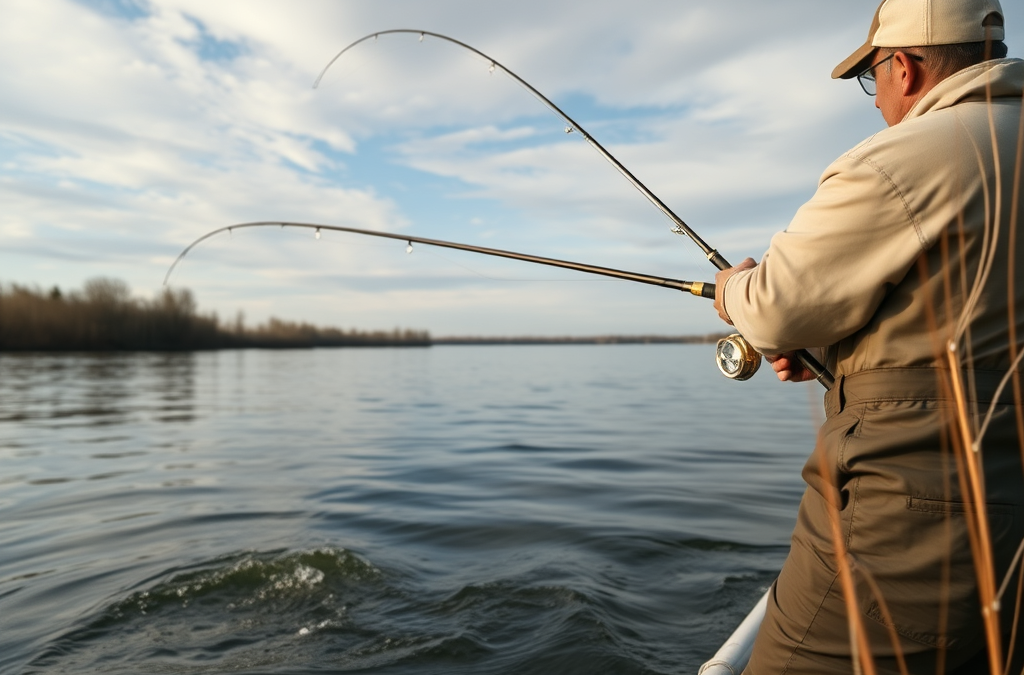
Strategies for fishing in highly regulated waters involve understanding local regulations, using appropriate gear, and choosing the right bait. Compliance with rules such as catch limits and seasonal restrictions is crucial for sustainable fishing. Additionally, adapting techniques to the specific environment can enhance success, making it essential to research and plan accordingly before heading out.
Understanding Regulations and Their Impact
Fishing in highly regulated waters requires a deep understanding of the specific regulations that govern those areas. Regulations can vary significantly by location, covering aspects such as catch limits, size restrictions, and seasonal closures. Familiarizing oneself with these rules is crucial, as violations can lead to fines and loss of fishing privileges. Moreover, regulations often reflect the need to protect vulnerable fish populations and preserve aquatic ecosystems, making compliance essential for sustainable fishing practices.

To effectively navigate these regulations, anglers should consult local wildlife agencies or official websites that provide up-to-date information. Many regions offer printed guides or online resources detailing the specific rules for different bodies of water. Being aware of regulations not only prevents legal issues but also enhances the fishing experience by aligning practices with conservation efforts.
Understanding Regulations and Their Impact matters because it turns strategies for fishing in highly regulated waters from a broad idea into a decision the reader can actually apply. The practical difference usually shows up in the details: how much is needed, when the choice is made, what tradeoff is acceptable, and what sign shows the approach is working. For technology topics, the strongest advice connects the user goal, system constraint, maintenance burden, and measurable outcome.
A useful way to handle this section is to compare the normal baseline with the situation that creates extra demand. If fishing is the baseline concern, then regulations becomes the adjustment point and highly becomes the outcome to watch. That keeps the advice specific without forcing the reader into a rigid formula that may not fit their routine, budget, tolerance, schedule, or current level of experience.
The most common mistake is changing too many variables at once. A better approach is to choose one measurable adjustment, use it consistently long enough to see a pattern, and then refine the next step based on energy, comfort, performance, safety, or reliability. This makes the guidance easier to trust because the reader can connect the recommendation to what they observe rather than guessing from a generic checklist.
The practical takeaway is to make the section actionable: identify the main constraint, choose the smallest useful change, and compare the result against the goal. When the outcome improves, the reader can keep the approach. When it does not, the next change should target the most likely bottleneck rather than repeating the same step with more effort.
Choosing the Right Gear for Success
The gear used in highly regulated waters can significantly impact fishing success. Selecting appropriate tackle is essential, as certain setups may be restricted or ineffective in specific environments. For instance, if fishing in an area with a size limit on certain species, using gear that allows for the safe and humane release of undersized fish is crucial.
Additionally, the choice of fishing line, hooks, and rods should be made with the target species and local conditions in mind. Light tackle may be preferred in smaller streams for trout, while heavier gear might be necessary in larger bodies of water for species like bass or pike. Understanding the local fish species and their behaviors will help in choosing gear that maximizes the chances of a successful catch.
A common mistake is overloading the tackle with unnecessary accessories. Simplicity can lead to greater success, as it allows anglers to focus on technique rather than managing complex setups. Prioritizing quality over quantity in gear selection can also enhance performance.
Choosing the Right Gear for Success matters because it turns strategies for fishing in highly regulated waters from a broad idea into a decision the reader can actually apply. The practical difference usually shows up in the details: how much is needed, when the choice is made, what tradeoff is acceptable, and what sign shows the approach is working. For technology topics, the strongest advice connects the user goal, system constraint, maintenance burden, and measurable outcome.
A useful way to handle this section is to compare the normal baseline with the situation that creates extra demand. If gear is the baseline concern, then fishing becomes the adjustment point and species becomes the outcome to watch. That keeps the advice specific without forcing the reader into a rigid formula that may not fit their routine, budget, tolerance, schedule, or current level of experience.
The most common mistake is changing too many variables at once. A better approach is to choose one measurable adjustment, use it consistently long enough to see a pattern, and then refine the next step based on energy, comfort, performance, safety, or reliability. This makes the guidance easier to trust because the reader can connect the recommendation to what they observe rather than guessing from a generic checklist.
The practical takeaway is to make the section actionable: identify the main constraint, choose the smallest useful change, and compare the result against the goal. When the outcome improves, the reader can keep the approach. When it does not, the next change should target the most likely bottleneck rather than repeating the same step with more effort.
Selecting Bait and Lures in Regulated Waters
Choosing the right bait and lures is a critical component of fishing in regulated waters. Local regulations may dictate the types of bait that can be used, with some areas prohibiting live bait to prevent the introduction of invasive species. Understanding these restrictions is vital for compliance and success.
Artificial lures can be an effective alternative, offering versatility and the ability to mimic local prey. Colors, sizes, and types of lures should be matched to the target species and local conditions. For instance, using bright colors in murky waters can attract fish more effectively than natural hues.
Additionally, experimenting with different bait types can yield better results. For example, while worms may be effective for panfish, larger species may respond better to minnows or jigs. Anglers should be prepared to adapt their bait choices based on local conditions and fish behavior.
Selecting Bait and Lures in Regulated Waters matters because it turns strategies for fishing in highly regulated waters from a broad idea into a decision the reader can actually apply. The practical difference usually shows up in the details: how much is needed, when the choice is made, what tradeoff is acceptable, and what sign shows the approach is working. For technology topics, the strongest advice connects the user goal, system constraint, maintenance burden, and measurable outcome.
A useful way to handle this section is to compare the normal baseline with the situation that creates extra demand. If bait is the baseline concern, then waters becomes the adjustment point and regulated becomes the outcome to watch. That keeps the advice specific without forcing the reader into a rigid formula that may not fit their routine, budget, tolerance, schedule, or current level of experience.
Adapting Techniques to Specific Environments
Each fishing environment presents unique challenges and opportunities. Adapting techniques to the specific conditions of regulated waters can enhance success. For example, fishing in a river might require different strategies than fishing in a lake. Current strength, water clarity, and depth all play crucial roles in determining the best approach.
Understanding the structure of the water body, such as the presence of underwater vegetation or rocky areas, can also inform technique. Fish often congregate around structures, making it essential for anglers to target these areas with appropriate methods. Techniques such as trolling, casting, or bottom fishing should be chosen based on the environment and the species being targeted.

Common mistakes include failing to adjust techniques based on environmental changes. Weather conditions, seasonal shifts, and water temperature can all affect fish behavior. Staying adaptable and observing these changes can lead to improved fishing outcomes.
Adapting Techniques to Specific Environments matters because it turns strategies for fishing in highly regulated waters from a broad idea into a decision the reader can actually apply. The practical difference usually shows up in the details: how much is needed, when the choice is made, what tradeoff is acceptable, and what sign shows the approach is working. For technology topics, the strongest advice connects the user goal, system constraint, maintenance burden, and measurable outcome.
A useful way to handle this section is to compare the normal baseline with the situation that creates extra demand. If fishing is the baseline concern, then techniques becomes the adjustment point and strategies becomes the outcome to watch. That keeps the advice specific without forcing the reader into a rigid formula that may not fit their routine, budget, tolerance, schedule, or current level of experience.
Frequently Asked Questions
What are the common regulations in highly regulated waters?
Common regulations include catch limits, size restrictions, and seasonal closures designed to protect fish populations.
How can I find out the regulations for a specific fishing area?
You can find regulations through local wildlife agency websites or by consulting printed guides available at tackle shops.
What type of gear is best for fishing in regulated waters?
Choosing gear that matches the target species and complies with local regulations, such as using appropriate line strength and hook sizes, is essential for success.
Are there specific bait restrictions in regulated waters?
Yes, some areas may prohibit the use of live bait to prevent the introduction of invasive species; always check local regulations.
How can I adapt my fishing techniques to different environments?
Understanding water conditions, such as current strength and structure, allows you to tailor your techniques for better results in various environments.
Further Reading
Authoritative Sources
- Investor.gov
investor.govSEC investor education resources for evaluating financial products and risk.
- FINRA Investor Insights
finra.orgInvestor education, broker-check tools, and financial decision resources.
- Consumer Financial Protection Bureau
consumerfinance.govConsumer guidance on credit, debt, lending, and financial products.
- Internal Revenue Service
irs.govOfficial tax guidance, forms, and compliance information.

