
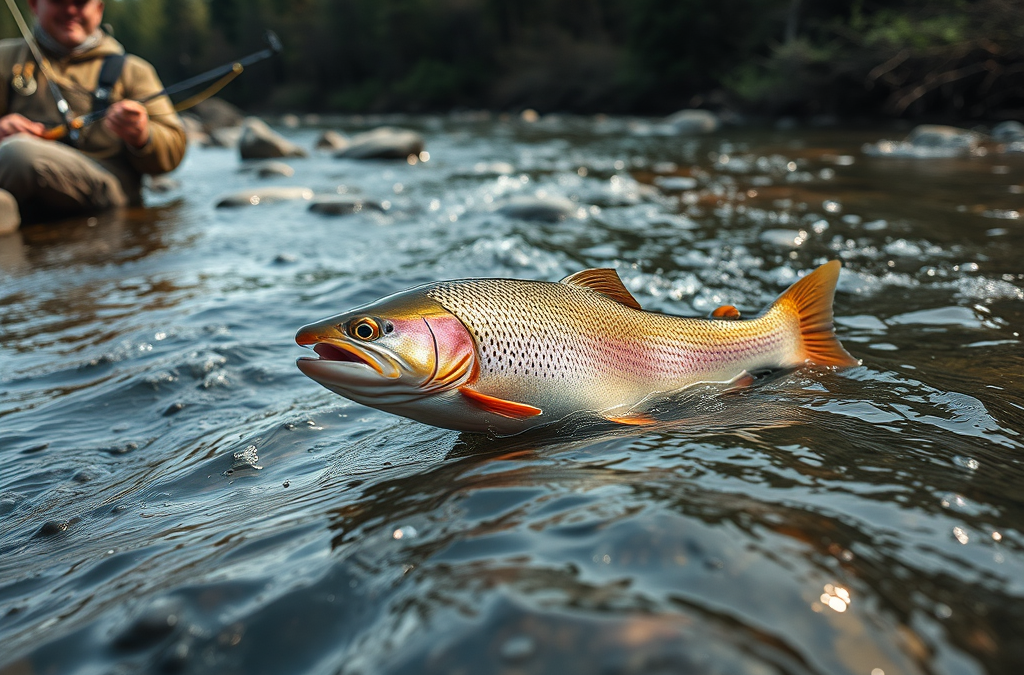
Identifying signs of fish activity in rivers involves observing specific behaviors and environmental cues such as surface disturbances, jumping fish, and baitfish schools. Look for ripples and splashes that indicate feeding, or changes in water temperature that signal spawning. These signs can help anglers target the right areas and times for fishing effectively.
Understanding Fish Behavior and Habitat
Fish activity in rivers is closely tied to their natural behaviors and habitats. Understanding these patterns is crucial for anglers looking to increase their chances of a successful catch. Fish are generally more active during certain times of day, typically during dawn and dusk, as they hunt for food. Additionally, their activity levels can vary based on seasonal changes, water temperature, and environmental conditions.

For example, in warmer months, fish may be more present in shallower waters where they can find food and avoid predators. Understanding these behaviors helps anglers identify the best times and locations for fishing. Observing the water and surroundings can provide valuable insights into when and where fish are likely to be active.
Understanding Fish Behavior and Habitat matters because it turns identifying signs of fish activity in rivers from a broad idea into a decision the reader can actually apply. The practical difference usually shows up in the details: how much is needed, when the choice is made, what tradeoff is acceptable, and what sign shows the approach is working. For nutrition topics, the strongest advice connects portion size, food quality, timing, and recovery instead of treating every meal as a fixed serving.
A useful way to handle this section is to compare the normal baseline with the situation that creates extra demand. If fish is the baseline concern, then activity becomes the adjustment point and rivers becomes the outcome to watch. That keeps the advice specific without forcing the reader into a rigid formula that may not fit their routine, budget, tolerance, schedule, or current level of experience.
The most common mistake is changing too many variables at once. A better approach is to choose one measurable adjustment, use it consistently long enough to see a pattern, and then refine the next step based on energy, comfort, performance, safety, or reliability. This makes the guidance easier to trust because the reader can connect the recommendation to what they observe rather than guessing from a generic checklist.
The practical takeaway is to make the section actionable: identify the main constraint, choose the smallest useful change, and compare the result against the goal. When the outcome improves, the reader can keep the approach. When it does not, the next change should target the most likely bottleneck rather than repeating the same step with more effort.
Key Signs of Fish Activity
Identifying signs of fish activity in rivers can significantly enhance your fishing strategy. Look for the following indicators:
- Surface Disturbances: Ripples, splashes, or bubbles on the water’s surface can indicate fish feeding. Pay attention to areas where these disturbances are frequent.
- Jumping Fish: Fish leaping out of the water often signal that they are agitated, usually due to chasing prey. This behavior is common when larger fish are hunting smaller ones.
- Baitfish Schools: The presence of schools of baitfish can attract larger predatory fish. If you see these small fish near the surface, it’s a good sign that predators are nearby.
- Bird Activity: Birds diving into the water can indicate fish presence. Birds such as herons or gulls often feed on fish and can lead you to productive fishing spots.
Recognizing these signs requires patience and observation, but they are essential for successful fishing.
Key Signs of Fish Activity matters because it turns identifying signs of fish activity in rivers from a broad idea into a decision the reader can actually apply. The practical difference usually shows up in the details: how much is needed, when the choice is made, what tradeoff is acceptable, and what sign shows the approach is working. For technology topics, the strongest advice connects the user goal, system constraint, maintenance burden, and measurable outcome.
A useful way to handle this section is to compare the normal baseline with the situation that creates extra demand. If fish is the baseline concern, then signs becomes the adjustment point and activity becomes the outcome to watch. That keeps the advice specific without forcing the reader into a rigid formula that may not fit their routine, budget, tolerance, schedule, or current level of experience.
The most common mistake is changing too many variables at once. A better approach is to choose one measurable adjustment, use it consistently long enough to see a pattern, and then refine the next step based on energy, comfort, performance, safety, or reliability. This makes the guidance easier to trust because the reader can connect the recommendation to what they observe rather than guessing from a generic checklist.
The practical takeaway is to make the section actionable: identify the main constraint, choose the smallest useful change, and compare the result against the goal. When the outcome improves, the reader can keep the approach. When it does not, the next change should target the most likely bottleneck rather than repeating the same step with more effort.
Environmental Factors Influencing Fish Activity
Various environmental factors can affect fish activity in rivers. Temperature is one of the most significant influences; fish are cold-blooded and their metabolism is directly affected by water temperature. Warmer water can increase fish activity, especially in the spring and summer months, while cooler temperatures may slow them down.
Additionally, water clarity plays a role in fish visibility and feeding habits. In clear water, fish may be more cautious, while cloudy or murky conditions can make them more aggressive. Understanding these environmental factors can help anglers adjust their strategies based on current conditions.
Weather conditions, such as rain or overcast skies, can also influence fish behavior. For instance, fish may become more active before a storm as they sense changes in atmospheric pressure, making this an opportune time for fishing.

Environmental Factors Influencing Fish Activity matters because it turns identifying signs of fish activity in rivers from a broad idea into a decision the reader can actually apply. The practical difference usually shows up in the details: how much is needed, when the choice is made, what tradeoff is acceptable, and what sign shows the approach is working. For preparedness topics, the strongest advice connects readiness, realistic constraints, household routines, and the first action that reduces risk.
A useful way to handle this section is to compare the normal baseline with the situation that creates extra demand. If fish is the baseline concern, then activity becomes the adjustment point and water becomes the outcome to watch. That keeps the advice specific without forcing the reader into a rigid formula that may not fit their routine, budget, tolerance, schedule, or current level of experience.
Practical Techniques for Observing Fish Activity
To effectively identify signs of fish activity in rivers, anglers can employ several practical techniques. First, spend time quietly observing the water to spot surface disturbances and jumping fish. Use polarized sunglasses to reduce glare and enhance visibility below the surface.
Another technique is to use a fish finder, which can help locate fish at different depths and provide insights into their behaviors. Additionally, consider experimenting with different lures and baits to see what attracts fish based on their current activity levels.
It’s also beneficial to talk to local anglers or visit fishing forums to gather information on specific river conditions and fish behaviors in your area. Keeping a fishing journal can help track patterns over time, making it easier to identify successful strategies based on past experiences.
Practical Techniques for Observing Fish Activity matters because it turns identifying signs of fish activity in rivers from a broad idea into a decision the reader can actually apply. The practical difference usually shows up in the details: how much is needed, when the choice is made, what tradeoff is acceptable, and what sign shows the approach is working. For technology topics, the strongest advice connects the user goal, system constraint, maintenance burden, and measurable outcome.
A useful way to handle this section is to compare the normal baseline with the situation that creates extra demand. If fish is the baseline concern, then activity becomes the adjustment point and signs becomes the outcome to watch. That keeps the advice specific without forcing the reader into a rigid formula that may not fit their routine, budget, tolerance, schedule, or current level of experience.
The most common mistake is changing too many variables at once. A better approach is to choose one measurable adjustment, use it consistently long enough to see a pattern, and then refine the next step based on energy, comfort, performance, safety, or reliability. This makes the guidance easier to trust because the reader can connect the recommendation to what they observe rather than guessing from a generic checklist.
Further Reading
Authoritative Sources
- Academy of Nutrition and Dietetics
eatright.orgProfessional nutrition guidance, healthy eating resources, and practical dietitian-reviewed advice.
- U.S. Department of Agriculture
usda.govOfficial food, nutrition, agriculture, and consumer guidance from the USDA.
- NIH Office of Dietary Supplements
ods.od.nih.govResearch-based fact sheets on nutrients, supplements, dietary intake, and safety considerations.
- International Society of Sports Nutrition
sportsnutritionsociety.orgEvidence-informed sports nutrition resources and position stands for active people and athletes.

