
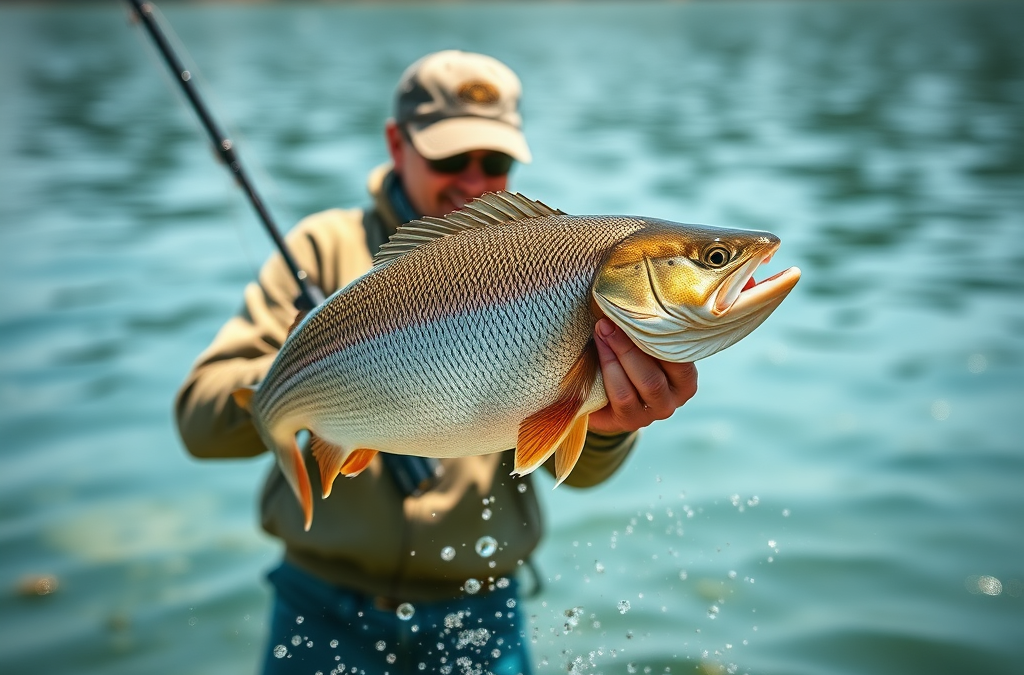
To plan a fishing trip for optimal success, start by selecting the right location based on the type of fish you want to catch, consider the best season and time of day for fishing, and ensure you have the proper gear and permits. Research local regulations and fishing conditions, and prepare a checklist of essentials to maximize your chances of a fruitful outing. Avoid common pitfalls such as neglecting weather conditions or underestimating travel time to your fishing spot.
Choosing the Right Location
Selecting the right fishing location is crucial for a successful trip. Different fish species thrive in various environments, so it’s essential to research where your target fish is most commonly found. For instance, if you’re aiming to catch bass, lakes with plenty of vegetation or structure are ideal, while trout prefer cooler, flowing waters. Utilize online resources, local fishing reports, and even social media groups dedicated to fishing to gather insights on productive spots.

When choosing a location, consider factors such as accessibility, the presence of amenities, and the fishing pressure of the area. Popular spots may have more anglers, which can affect your success. Conversely, remote locations often yield better fishing experiences but may require more effort to reach. Always take into account the local ecosystem and ensure that fishing is sustainable in the chosen area.
Choosing the Right Location matters because it turns plan a fishing trip for optimal success from a broad idea into a decision the reader can actually apply. The practical difference usually shows up in the details: how much is needed, when the choice is made, what tradeoff is acceptable, and what sign shows the approach is working. For technology topics, the strongest advice connects the user goal, system constraint, maintenance burden, and measurable outcome.
A useful way to handle this section is to compare the normal baseline with the situation that creates extra demand. If fishing is the baseline concern, then trip becomes the adjustment point and success becomes the outcome to watch. That keeps the advice specific without forcing the reader into a rigid formula that may not fit their routine, budget, tolerance, schedule, or current level of experience.
The most common mistake is changing too many variables at once. A better approach is to choose one measurable adjustment, use it consistently long enough to see a pattern, and then refine the next step based on energy, comfort, performance, safety, or reliability. This makes the guidance easier to trust because the reader can connect the recommendation to what they observe rather than guessing from a generic checklist.
The practical takeaway is to make the section actionable: identify the main constraint, choose the smallest useful change, and compare the result against the goal. When the outcome improves, the reader can keep the approach. When it does not, the next change should target the most likely bottleneck rather than repeating the same step with more effort.
Timing Your Trip
Timing plays a significant role in fishing success. Fish are more active during specific times of the day and year, influenced by factors like temperature, weather, and feeding habits. Generally, early mornings and late evenings are prime times for fishing, as fish tend to feed more aggressively during these hours. Additionally, consider the season: spring and fall often provide optimal conditions as fish become more active in preparation for spawning or as water temperatures change.
Weather conditions can also impact your trip. Overcast days can enhance fish activity, while bright, sunny days may push fish deeper into the water. Pay attention to the moon phases, as they can affect feeding patterns. A full moon often leads to increased activity at night, making evening fishing more productive. Use local weather forecasts and moon phase calendars to plan your trip effectively.
Timing Your Trip matters because it turns plan a fishing trip for optimal success from a broad idea into a decision the reader can actually coordinate. The practical difference usually shows up in the details: how much is needed, when the choice is made, what tradeoff is acceptable, and what sign shows the approach is working. The strongest advice connects the decision, the constraint, the tradeoff, and the signal that shows whether the approach is working.
A useful way to handle this section is to compare the normal baseline with the situation that creates extra demand. If fishing is the baseline concern, then trip becomes the adjustment point and fish becomes the outcome to watch. That keeps the advice specific without forcing the reader into a rigid formula that may not fit their routine, budget, tolerance, schedule, or current level of experience.
The most common mistake is changing too many variables at once. A better approach is to choose one measurable adjustment, use it consistently long enough to see a pattern, and then refine the next step based on energy, comfort, performance, safety, or reliability. This makes the guidance easier to trust because the reader can connect the recommendation to what they observe rather than guessing from a generic checklist.
The practical takeaway is to make the section actionable: identify the main constraint, choose the smallest useful change, and compare the result against the goal. When the outcome improves, the reader can keep the approach. When it does not, the next change should target the most likely bottleneck rather than repeating the same step with more effort.
Essential Gear and Equipment
Having the right gear is vital for a successful fishing trip. Start with a quality fishing rod and reel that suit your target species. For instance, light tackle is ideal for panfish, while heavier gear is necessary for larger species like pike or tuna. Ensure you have a variety of tackle, including hooks, lures, and bait that are appropriate for the fish you’re targeting.
In addition to fishing gear, consider other essentials like a tackle box for organization, a cooler for keeping your catch fresh, and appropriate clothing for the weather. Don’t forget safety items such as a life jacket, first aid kit, and sunscreen. A well-prepared angler is often more successful, so create a checklist of equipment before you head out. This helps prevent forgetting crucial items that could make or break your trip.
Essential Gear and Equipment matters because it turns plan a fishing trip for optimal success from a broad idea into a decision the reader can actually apply. The practical difference usually shows up in the details: how much is needed, when the choice is made, what tradeoff is acceptable, and what sign shows the approach is working. For technology topics, the strongest advice connects the user goal, system constraint, maintenance burden, and measurable outcome.
A useful way to handle this section is to compare the normal baseline with the situation that creates extra demand. If fishing is the baseline concern, then trip becomes the adjustment point and gear becomes the outcome to watch. That keeps the advice specific without forcing the reader into a rigid formula that may not fit their routine, budget, tolerance, schedule, or current level of experience.
Understanding Local Regulations
Before embarking on your fishing trip, familiarize yourself with local fishing regulations. Different regions have varying rules regarding fishing seasons, size limits, and catch limits. Ignoring these regulations can lead to fines or penalties and harm local fish populations. Check with state or local wildlife agencies for the most accurate and up-to-date information.
Additionally, some areas may require fishing licenses or permits, which can often be obtained online or at local retailers. Understanding these regulations not only ensures you are fishing legally but also contributes to sustainable fishing practices that protect fish populations for future generations. Knowing the rules can enhance your experience, allowing you to focus on catching fish rather than worrying about compliance.

Authoritative Sources
Understanding Local Regulations matters because it turns plan a fishing trip for optimal success from a broad idea into a decision the reader can actually apply. The practical difference usually shows up in the details: how much is needed, when the choice is made, what tradeoff is acceptable, and what sign shows the approach is working. For technology topics, the strongest advice connects the user goal, system constraint, maintenance burden, and measurable outcome.
A useful way to handle this section is to compare the normal baseline with the situation that creates extra demand. If fishing is the baseline concern, then local becomes the adjustment point and regulations becomes the outcome to watch. That keeps the advice specific without forcing the reader into a rigid formula that may not fit their routine, budget, tolerance, schedule, or current level of experience.
The most common mistake is changing too many variables at once. A better approach is to choose one measurable adjustment, use it consistently long enough to see a pattern, and then refine the next step based on energy, comfort, performance, safety, or reliability. This makes the guidance easier to trust because the reader can connect the recommendation to what they observe rather than guessing from a generic checklist.
Further Reading
Authoritative Sources
- Investor.gov
investor.govSEC investor education resources for evaluating financial products and risk.
- FINRA Investor Insights
finra.orgInvestor education, broker-check tools, and financial decision resources.
- Consumer Financial Protection Bureau
consumerfinance.govConsumer guidance on credit, debt, lending, and financial products.
- Internal Revenue Service
irs.govOfficial tax guidance, forms, and compliance information.

