
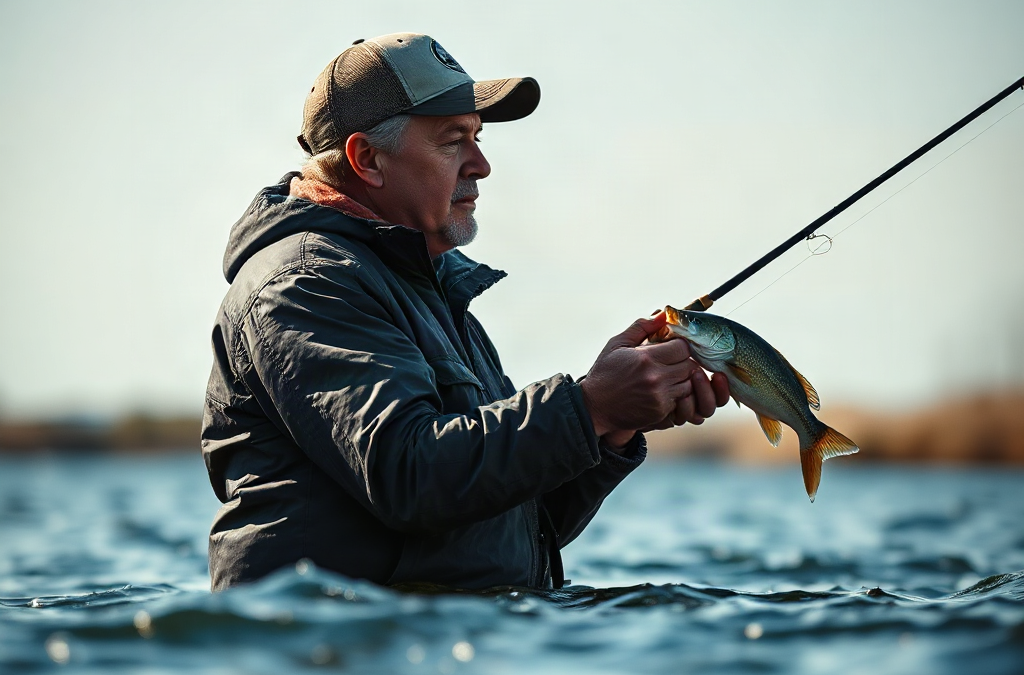
Maintain focus while fishing for long hours by dividing the session into short observation cycles, using a repeatable bite-detection routine, and taking brief breaks before attention noticeably fades. Watch a defined reference point such as the line-entry angle, float tip, or rod tip rather than scanning the entire water constantly. Hydrate regularly, eat light food, protect yourself from heat or cold, and change posture to limit physical fatigue. When concentration slips, refresh the bait, inspect the rig, and reassess depth or presentation instead of casting automatically. Stop fishing if drowsiness, heat illness, or unsafe footing makes attentive decisions difficult.
Use Short Attention Cycles Instead of Constant Vigilance
Sustained concentration is easier when the fishing day is treated as a series of manageable observation periods. Trying to remain intensely alert from the first cast until packing up usually produces the opposite result: the eyes keep looking toward the water, but the angler stops processing small changes. A practical cycle might include several minutes of deliberate observation, a quick check of the rig and surroundings, and a brief physical reset before attention returns to the presentation.

Each observation period should have a narrow target. A float angler can watch the float tip and its relationship to nearby ripples. Someone fishing a stationary bottom rig can monitor the rod tip, line tension, and any movement inconsistent with wind or current. When retrieving a lure, concentration belongs on lure contact, changes in resistance, line behavior, and the point at which the lure crosses cover. Watching everything at once creates mental noise and makes weak signals harder to distinguish.
The length of each cycle depends on the method. Active lure fishing already contains natural resets because every retrieve ends, allowing the angler to change casting angle or pause briefly. Static bait fishing lacks those built-in transitions, so it benefits from an intentional check every 15 to 25 minutes, adjusted for bait durability, current, nuisance fish, and local rules governing rods. The check is not an excuse to reel in constantly. Its purpose is to confirm that the bait remains present, the line is not fouled, and the chosen depth still makes sense.
A common mistake is using a phone as the default response to a quiet period. A quick weather or map check has a purpose, but open-ended scrolling breaks visual contact and makes a subtle take easy to miss. If a phone is needed for safety or navigation, set it down with the sound available and the screen away. Anglers seeking more detail on how to maintain focus while fishing for long hours should begin by identifying the single visual or tactile signal that matters most for their technique.
A cycle is working when you can describe what the line, float, or lure did during the previous few minutes. It is failing when you repeatedly realize you have no idea how long the bait has been soaking or whether the last retrieve contacted bottom. That recognition is a cue to stand, look away briefly, and begin a fresh observation period rather than forcing strained concentration.
Build a Bite-Detection Routine for Your Method
A consistent detection routine reduces the amount of mental effort required to recognize a bite. The routine should define where to look, what normal movement looks like, and what action follows an abnormal signal. Without that baseline, wind, current, weeds, and boat movement compete with genuine fish contact, causing either delayed hooksets or repeated reactions to false indications.
For float fishing, first note how the float behaves with the chosen shot, bait, wind direction, and current speed. A bite may appear as a clean submergence, but it can also lift the float, stop its drift, move it sideways, or make it behave differently from surrounding surface movement. With a bottom rig, establish normal rod-tip movement after the sinker settles. Wind often creates rhythmic pulses; a fish may produce a sharper pull, sustained load, slack line, or movement against the current. The exact response depends on the rig and species, so avoid treating every twitch as an automatic signal to strike.
Lure fishing requires a tactile and positional baseline. Pay attention to the lure’s usual vibration, depth, and contact with rock, wood, vegetation, or bottom. A strike can feel like added weight, sudden slackness, a distinct tap, or simply the lure failing to behave as expected. An angler who reels at one hurried speed for hours loses that comparison. A controlled retrieve with occasional pauses supplies clearer reference points and makes changes easier to identify.
Keep the response sequence short:
- Confirm the signal: distinguish a repeatable pull, load, stop, or directional movement from ordinary water action.
- Remove avoidable slack: do so without jerking the bait away before the rig calls for a hookset.
- Respond for the tackle: a circle-hook bait rig, small float setup, and moving lure may require different timing.
- Record the context: note depth, cover, retrieve stage, or drift position after a credible bite.
The weak assumption is that sharper concentration means reacting faster to every movement. Better focus improves discrimination, not nervousness. Excessive staring can also cause visual fatigue, particularly when glare makes the line hard to see. Polarized sunglasses may reduce surface glare during daylight, while choosing a high-contrast float or visible line segment can reduce strain. Equipment should make the relevant signal clearer rather than adding alarms, indicators, or multiple rods that divide attention beyond what the angler can manage safely and legally.
Manage Hydration, Food, Temperature, and Posture
Physical discomfort steadily consumes attention that would otherwise remain on the fishing presentation. Thirst, glare, hunger, cold hands, overheating, and an awkward seated position may begin as minor annoyances, then lead to rushed knots, careless footing, and missed indications. Waiting until discomfort becomes severe makes recovery slower and can create a safety problem rather than merely a concentration problem.
Bring water where it is accessible without leaving the rod unattended or climbing over gear. Drink at regular intervals instead of relying only on thirst, especially in warm, windy, or exposed conditions. Food should be familiar, easy to handle, and unlikely to produce a heavy post-meal slump. Fruit, a simple sandwich, nuts if suitable for you, or another modest meal is generally more practical at the water than a very large lunch. Caffeine may increase alertness for some anglers, but it is not a substitute for water, sleep, or protection from heat.
Temperature management should happen before performance declines. In sun, use shade where available, cover exposed skin appropriately, and schedule demanding moves or long walks for cooler periods. In cold weather, preserve hand function with dry layers and rotate between suitable gloves and bare-handed tackle work as conditions allow. Clothing that is too warm during the walk in can become damp and uncomfortable once the angler stops moving, so adjustable layers are more useful than one bulky layer.
Posture matters during static sessions. Sitting motionless with the neck angled toward a rod tip can cause discomfort that encourages constant fidgeting or visual avoidance. Position the chair so the rod, water, and landing area can be seen without twisting. Stand and move gently during planned rig checks, provided the bank, boat, and weather make movement safe. On a boat, use stable handholds and avoid stretching or walking around solely to relieve stiffness when waves or wakes increase the fall risk.
Signs that the physical plan is failing include repeated yawning, headache, irritability, clumsy tackle handling, shivering, dizziness, confusion, or difficulty following a familiar sequence. Dizziness, confusion, severe weakness, or loss of coordination should not be treated as ordinary fishing fatigue. Move to safety and seek appropriate help. No bite window is worth remaining on an exposed bank or operating a boat when alertness is compromised. A useful preparation check for how to maintain focus while fishing for long hours therefore covers weather protection and safe recovery options, not only bait and tackle.
Reset Productively When Concentration Starts to Slip
A useful reset changes both the angler’s physical state and the quality of information available. Recasting the same presentation automatically may create activity, but it does not restore purposeful attention. Instead, pause long enough to identify whether the problem is fatigue, an ineffective rig, environmental change, or simple uncertainty about what the bait is doing.

Begin by placing the rod securely and checking the immediate surroundings. Stand or change posture, relax your grip, focus your eyes on a distant object, and take a few calm breaths. Then inspect something specific: bait condition, hook point, knot, leader abrasion, accumulated weeds, sinker position, lure fouling, or line damage. The short task gives the next cast a clear purpose and may reveal that poor feedback—not poor discipline—was causing attention to wander.
Consider a shore angler watching a float through a crosswind. After an hour, every surface disturbance starts to look alike. Casting more frequently adds tangles without improving detection. A better reset is to retrieve, remove any weed, confirm shot placement, and reposition so the line bows less across the wind. If repositioning is impossible, a more visible float or a controlled reduction in casting distance may provide a cleaner signal. The tradeoff is covering less water, but reliable bite recognition is often more valuable than reaching a distant area that cannot be monitored well.
Use a compact reset checklist:
- Is the bait or lure still fishing as intended?
- Has wind, current, light, boat position, or water level changed?
- Can the relevant signal be seen or felt clearly?
- Is fatigue affecting knots, hooksets, casting, or footing?
- Should the next cast change depth, angle, speed, or location?
Constantly switching tactics is the opposite failure. Changing lure, depth, and location at the same time destroys the ability to learn which adjustment mattered. Make one justified change and give it a reasonable trial based on the technique. Concentration has returned when you can state what the next cast is testing. If repeated resets do not restore alertness, take a longer break or end the session. Persistent drowsiness is especially serious before driving or operating a boat.
Plan the Session Around Productive Fishing Windows
Long fishing hours do not need to be equally intense. A session is easier to manage when demanding observation is reserved for periods and locations that offer the best combination of fish activity, safe conditions, and readable presentation. The exact window varies with species, water, weather, tide where applicable, and angling method, so fixed claims about dawn or dusk should not replace local observation.
Before the trip, divide the day into high-attention periods, maintenance periods, and genuine breaks. A high-attention period might be the first drift past current seams, a tide change, a shadow line reaching cover, or a short spell when baitfish activity becomes visible. Maintenance time can be used to retie damaged leaders, organize tackle, eat, or move locations. A genuine break means the rod is secured and the angler is no longer pretending to monitor it while attention is elsewhere.
For example, an angler planning eight hours from a bank may be better served by fishing two promising areas carefully, taking a meal break, and returning to the stronger location after conditions change. Covering six spots without enough time to understand wind direction, depth, access, and bite signals creates motion but not necessarily useful effort. Conversely, remaining at one unproductive spot only because tackle is already arranged can turn patience into passivity. Set a review point based on evidence such as visible fish activity, credible bites, bait loss, depth changes, or confidence that the rig is reaching the target zone.
Keep a brief log rather than relying on a detailed record that distracts from fishing. Note time, location, conditions, depth or retrieve, and meaningful contacts. The purpose is to identify when focused effort paid off, not to document every cast. Patterns from several trips can help shape future break times and reduce wasted hours, but they should remain flexible because water and weather change.
Finish with an exit threshold. Pack up when weather, darkness, fatigue, access, or travel time makes continued fishing imprudent. A planned stopping rule prevents the familiar mistake of extending the day for “one more cast” after careful observation and safe decisions have already deteriorated. The best measure of how to maintain focus while fishing for long hours is not endurance alone; it is whether the angler can still detect changes, handle tackle competently, and leave the water safely.
Frequently Asked Questions
How often should I take a break during a long fishing session?
Use brief resets before attention collapses, often during bait checks, location reviews, or changes in conditions. Take a longer break when you begin missing obvious signals, making tackle errors, or feeling drowsy.
Does listening to music make it harder to notice bites?
It can if volume or device handling distracts you from line, float, drag, or environmental sounds. Keep audio low, avoid noise-isolating headphones where situational awareness matters, and follow any site or boating rules.
What should I watch when fishing with bait?
Choose one primary reference: the float tip, rod tip, line-entry angle, or a bite indicator. Learn its normal movement under current and wind so directional pulls, slackness, lifting, or sustained loading stand out.
Can caffeine keep me focused for an all-day trip?
Caffeine may temporarily increase alertness for some people, but it cannot correct sleep loss, dehydration, overheating, or unsafe fatigue. Use it conservatively and keep water, food, and rest in the plan.
When should I stop fishing because of fatigue?
Stop when drowsiness, confusion, poor coordination, repeated tackle mistakes, unsafe footing, or worsening weather prevents reliable decisions. Account for the alertness still needed to walk out, launch safely, or drive home.
Conclusion
Reliable concentration comes from designing the fishing session so useful signals remain easy to notice. Define what you are watching or feeling, work in observation cycles, and use bait checks or completed retrieves as natural reset points. Keep hydration, food, clothing, glare control, and posture from becoming competing demands on attention. When focus fades, inspect the presentation and make one reasoned adjustment instead of casting faster or changing several variables at once.
Before the next long trip, choose a primary bite cue, schedule realistic breaks, and set both location-review and stopping thresholds. During the session, look for practical evidence: cleaner bite recognition, fewer unexplained tangles, purposeful changes, and competent tackle handling. If those signs disappear despite a reset, secure the gear and rest or leave. Focus should improve fishing decisions without overriding weather, boating, travel, or personal safety.

