
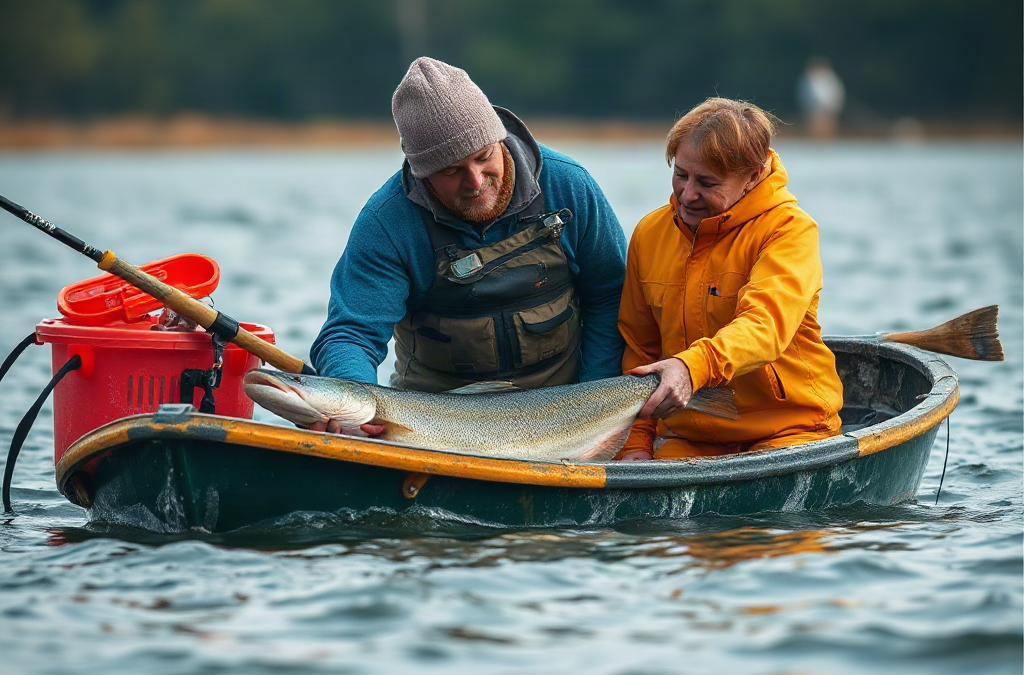
If your fishing trip gets cut short, leave the water safely, account for everyone, protect your catch, and pack wet or exposed gear before deciding whether any part of the outing can be salvaged. Treat lightning, rising water, strong wind, injury, mechanical trouble, and lost daylight as firm reasons to stop rather than inconveniences to work around. Bleed and chill legally retained fish promptly, secure hooks and rods for transport, and record any equipment problem while the details are fresh. Once immediate risks are controlled, consider a nearby bank-access spot, tackle maintenance, scouting, or rescheduling around a more reliable weather and access window.
Decide Whether the Trip Is Delayed or Finished
An interrupted outing requires a firm decision before it requires a new plan. Separate temporary inconveniences from conditions that make continued fishing unsafe, unlawful, or impractical. A passing light shower, a forgotten lure box, or a short launch delay may justify changing locations or methods. Lightning, rapidly rising water, heavy wind, injury, boat trouble, wildfire restrictions, an access closure, or insufficient daylight should usually end the session.

Weather deserves particular caution because conditions at the ramp or shoreline may not represent conditions on open water. Darkening clouds, abrupt temperature changes, increasing gusts, and distant thunder are reasons to move toward safe shelter before the weather reaches you. Do not wait for rain to become intense or waves to build. On a river, muddy water carrying fresh debris can indicate a rise occurring upstream even when local rain is light. On coastal water, changing tide, wind, and inlet conditions can make the return more difficult than the outward run.
Personal condition matters just as much as weather. A headache from heat, persistent shivering, loss of coordination, severe nausea, or an injury that affects balance or grip can turn ordinary tasks into hazards. A hooked hand, for example, may prevent safe casting, rowing, trailer handling, or boat operation even if the injury initially appears manageable. Stop fishing, control bleeding if present, and seek appropriate medical help when an injury is serious or cannot be handled safely in the field.
Use a brief decision check rather than debating how much time or money has already gone into the trip:
- People: Is everyone alert, mobile, appropriately dressed, and able to return safely?
- Conditions: Are weather, water level, visibility, and current stable enough for the route back?
- Equipment: Can the boat, vehicle, electronics, and safety equipment perform the trip home?
- Rules and access: Is the area still open, and can you leave before gates, ramps, or legal fishing hours create a problem?
The common mistake is letting sunk cost influence a safety decision. A long drive, prepaid lodging, or a promising bite does not reduce the risk posed by lightning or a failing outboard. Call the trip when one critical condition fails. If all critical conditions remain sound, downgrade the outing instead—fish from a protected bank, stay close to the launch, or shorten the planned route.
Leave the Water Without Creating a Second Problem
A controlled exit is more valuable than a hurried one. Once the decision to stop has been made, tell everyone in the group, identify the return route, and assign immediate tasks. On a boat, one person should focus on navigation and operation while others secure loose tackle, put on or keep wearing appropriate flotation, and prepare lines and fenders for landing. From shore, partners should stay together rather than splitting up to retrieve distant equipment.
Account for every person before moving. Confirm that children, pets, and fishing partners understand that casting has ended and hooks are being packed. Remove lures from rods when practical, cover exposed points, and place knives and tools where they cannot slide or fall. A lure left swinging from a rod tip becomes especially dangerous on a rough ride, a crowded trail, or a rushed walk back to the vehicle.
Choose the safest return, not automatically the shortest. A direct crossing may expose a small boat or kayak to stronger wind and waves, while a shoreline route may provide calmer water and more places to land. A steep muddy trail can become less reliable after rain; an established but slightly longer path may be the better choice. If equipment failure affects propulsion, communication, steering, or flotation, use available emergency assistance rather than improvising beyond your ability. Situations involving immediate danger warrant contact with local emergency services or the responsible waterway authority.
Communication should happen early. Send a concise message to the person expecting your return, including who is with you, where you are leaving from, and whether the vehicle or boat has a problem. If cell coverage is weak, conserve battery power and avoid repeated nonessential calls. Do not announce that everything is fine before reaching the ramp, trailhead, or other secure location.
A frequent failure mode is packing first and evaluating the route second. Anglers may spend several minutes organizing tackle while weather closes the safe exit window. When conditions are deteriorating, people come first, navigation second, and replaceable equipment last. The broader principle behind what to do if your fishing trip gets cut short is to preserve margin: leave before the return becomes an emergency, not when it already feels like one.
Protect the Catch and Pack the Gear Correctly
Fish and equipment deteriorate quickly when an outing ends unexpectedly. Legally retained fish should be handled according to applicable local rules and kept cold as soon as possible. Use an ice-filled cooler or another suitable cold-storage method, keep the catch out of warm standing water, and avoid leaving it on a stringer while packing the rest of the site. If you cannot preserve a fish properly, that should influence the decision to retain it in the first place.
Before leaving, confirm species, size, possession, tagging, and transport requirements for the water being fished. Rules vary by jurisdiction and species, so consult the current regulations rather than assuming a method used elsewhere is acceptable. Keep separate anglers’ catches identifiable when required. Never discard a legally retained fish merely because the outing became inconvenient; possession and waste rules may continue to apply after fishing stops.
Wet gear needs containment, but sealing everything without thought creates other problems. Drain water from waders, boots, livewells, bait containers, and boat compartments where permitted and appropriate. Keep wet clothing separate from dry tackle and vehicle upholstery. Place used hooks, broken line, and soft-plastic scraps in a closed container rather than leaving them at the bank or stuffing them loosely into a pocket.
Saltwater equipment should receive fresh-water attention as soon as circumstances allow, especially reels, rod guides, tools, and exposed metal fittings. Freshwater gear may still need drying if rain or a capsize soaked reel internals, tackle boxes, or life jackets. Avoid putting a wet reel into a sealed case for several days. Loosen excessive drag pressure for storage, inspect line for abrasion, and allow fabric equipment to dry fully before long-term packing.
Suppose a storm ends a morning after one fish has been retained and several tackle trays have been exposed to rain. The correct order is not meticulous lure sorting at the ramp. First chill the fish, secure sharp objects, load the boat or shore gear safely, and get everyone sheltered. At home, open the trays, dry terminal tackle, remove any rusting hooks, and clean the cooler. This priority order protects food quality and people without sacrificing equipment unnecessarily.
The most common mistake is treating the shortened schedule as permission to throw everything into the vehicle. That saves minutes at the site but can produce spoiled fish, embedded hooks, corroded tackle, mildew, and tangled line. A compact exit kit—hook covers, a small trash container, dry bags, towels, and cooler ice—makes what to do if your fishing trip gets cut short easier to manage without elaborate repacking beside the water.
Salvage Useful Time Without Forcing the Original Plan
A shortened trip does not require abandoning the entire day, but any substitute activity must fit the reason fishing stopped. If lightning, dangerous heat, injury, flooding, or mechanical failure ended the outing, moving to another exposed location may repeat the same risk. Salvage options are appropriate only after people, transportation, catch care, and equipment are secure.
When the cause is location-specific rather than regional, a smaller alternative can work. A windblown reservoir may be unsafe for a small boat while a sheltered public pond offers reasonable bank access. A closed ramp may still leave a legal pier or shoreline area available. A failed trolling motor might end a planned offshore route but not a brief session near a safe, uncrowded bank—provided the primary propulsion and other critical systems remain dependable.

Compare the value of relocating with the cost of doing so. If packing, driving, finding access, and setting up again will consume most of the remaining daylight, scouting may be more productive than making a few rushed casts. Walk only where access is permitted, note parking limits, observe current seams or vegetation, and mark safe entry points for a later visit. Do not trespass, block gates, or assume an unposted shoreline is public.
Indoor or sheltered tasks can preserve value when returning to the water is not sensible. Replace frayed leaders, sharpen or retire damaged hooks, dry rain gear, organize weights by size, charge electronics, and inspect the failure that ended the trip. If a reel developed roughness, resist repeatedly forcing the handle; note when the symptom appeared and whether sand, impact, or immersion was involved. That record makes later cleaning or repair more accurate.
Families and beginners often benefit more from a calm alternative than from an aggressive attempt to recover lost fishing time. A rushed second launch, long drive, or difficult bank climb can turn disappointment into fatigue and conflict. Experienced anglers are not exempt from the same tradeoff. Adaptation means choosing an activity that remains worthwhile under the new constraints, not proving that the original schedule can still be completed.
A weak salvage plan ignores the cause of the interruption. If strong regional storms stopped the trip, choose lunch, gear care, or route planning rather than another lake. If one access point was unexpectedly locked under otherwise stable conditions, verify a legal alternative before driving there. Success is measured by a safe, useful remainder of the day—not by whether another fish is caught.
Use the Early Finish to Improve the Next Outing
An early return provides useful planning information while details are still clear. Write down the actual stopping cause, the warning signs that appeared first, and what would have reduced the disruption. Keep the review factual. “Bad weather” is less useful than noting that increasing south wind made the launch exposed, thunder arrived earlier than expected, or the river began carrying debris after upstream rain.
Separate preventable problems from unavoidable ones. A sudden access closure may not have been predictable, but relying on a single ramp was a planning weakness. A broken rod can happen despite reasonable care, while running out of fuel or launching with an uncharged battery points to a missed check. This distinction prevents overreacting by buying unnecessary gear after every interruption.
Adjust the next trip with one or two targeted changes. Add a backup access point to the route, freeze extra ice, replace a suspect fuel connector, bring a dry base layer, or set a firm turnaround time. For recurring weather problems, choose water with protected shorelines or plan a bank option near the primary destination. If a medical issue or injury ended the day, resolve it appropriately before scheduling another demanding outing.
Check current forecasts, water information, access notices, and fishing regulations again before returning. Saved screenshots and old bookmarks can become outdated. Call a managing agency or marina when online information is unclear, especially for seasonal gates, ramp construction, launch conditions, or emergency closures. The goal is not to eliminate every surprise; it is to avoid being stranded without a reasonable alternative.
Do not automatically reschedule for the next available morning. Consider whether the water needs time to stabilize after a storm, whether roads and ramps remain affected, and whether wet gear has dried. A delayed return with functional equipment is better than repeating the same failure. Reviewing what to do if your fishing trip gets cut short should produce a specific correction, not a larger packing list with no connection to the problem.
The common mistake after a disappointing trip is making broad changes based on one event. Buying a larger boat will not solve a closed access road, and carrying multiple spare rods will not correct poor lightning judgment. Match the correction to the failure: improve monitoring for changing conditions, maintenance for equipment trouble, route planning for access issues, or scheduling for limited daylight. A precise adjustment is cheaper, easier to follow, and more likely to help.
Frequently Asked Questions
Should I relocate if bad weather ends my fishing trip?
Relocate only if the hazard is clearly local and the alternative site is legal, sheltered, and safe. Regional lightning, flooding, extreme heat, or strong winds usually call for ending outdoor fishing rather than chasing better conditions.
What should I pack first when leaving in a hurry?
Account for people first, secure exposed hooks and loose equipment, protect any retained catch, and preserve a safe exit route. Detailed tackle organization can wait until everyone reaches shelter.
How should retained fish be handled after an early finish?
Follow local possession and tagging rules, then chill the fish promptly using an appropriate cooler setup. Keep it clean and out of warm standing water, and complete any required documentation.
Can I keep fishing after a boat system fails?
Do not continue if the failure affects propulsion, steering, flotation, navigation, communication, or the ability to return safely. A noncritical accessory failure may allow limited fishing close to a secure landing.
How can I keep a shortened trip from feeling wasted?
Use safe remaining time to inspect equipment, scout legal access, organize tackle, record water conditions, or plan a better return window. Choose an activity that does not recreate the hazard that ended the outing.
Conclusion
A disrupted day on the water is managed well when the return is uneventful, the catch remains fit for use, and the equipment is ready to be inspected rather than damaged by rushed packing. Make the stop-or-continue decision from present conditions, not from the distance driven or the bite you hoped to find. During the exit, prioritize people, route safety, sharp-object control, and cold storage before sorting minor gear.
After reaching a secure location, decide whether a sheltered alternative, scouting session, or maintenance task genuinely fits the remaining time. Then document the precise reason the outing ended and correct that weakness before returning. A backup access point, repaired component, earlier turnaround time, or better weather threshold is more useful than carrying extra equipment without a defined purpose.

