
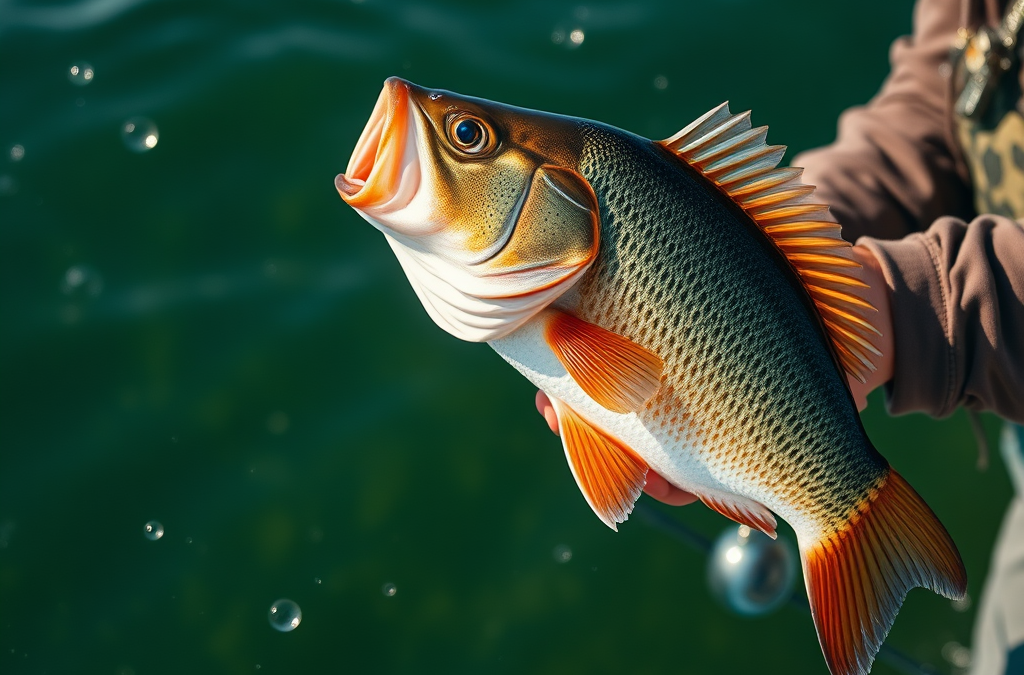
To improve your chances of catching trophy fish, focus on selecting the right bait, fishing during peak times, and mastering effective techniques. Use live bait such as large minnows or shad that mimic local forage, as this can significantly increase your success. Additionally, understanding the specific habitats and behaviors of trophy species, like their preference for deeper waters with structures, will help you target the right areas. Timing your fishing trips to coincide with seasonal feeding patterns is also essential, as fish tend to be more active during certain times of the day or year. Finally, patience and persistence are key; trophy fishing often requires time and dedication to yield results.
Understanding Trophy Fish: Characteristics and Habitats
Trophy fish are typically defined by their size and age, often requiring specific habitats that support their growth. These fish are not just larger versions of their smaller counterparts; they exhibit unique behaviors and preferences that can be critical for anglers to understand. For example, many trophy species prefer deeper waters with structure, such as submerged rocks or fallen trees, where they can find shelter and ambush prey. Recognizing these habitats is essential, as it allows anglers to target the right areas effectively.

Moreover, different species of trophy fish have varying environmental preferences. For instance, large bass may favor warm, shallow waters during spawning seasons, while trophy trout might seek colder, oxygen-rich streams. Understanding these nuances can significantly increase your chances of encountering these prized catches.
Optimal Bait Choices for Trophy Fish
Choosing the right bait is fundamental when aiming for trophy fish. Live bait often proves effective, as it mimics the natural food sources of these fish. Options like large minnows, shad, or even live crayfish can attract the attention of larger predators. Additionally, artificial lures that replicate the movement and appearance of prey can be highly effective, especially in clear waters.
It’s also important to consider the season and local forage when selecting bait. For example, during fall, when fish are feeding heavily to prepare for winter, using larger lures or baits that match the size of the prevalent forage can yield better results. In contrast, during the summer months, smaller presentations may be more effective as fish become more selective. Experimenting with different bait types and sizes can help determine what works best in your fishing location.
Timing Your Fishing Adventures
Timing plays a crucial role in successfully catching trophy fish. Early mornings and late evenings are often the most productive times, as many species are more active during these periods. Additionally, understanding seasonal patterns can help you plan your fishing trips around the peak feeding times of trophy species.
Weather conditions also impact fish behavior; overcast days can lead to increased activity, while bright and sunny days may push fish deeper into the water. Moreover, factors such as moon phases can influence feeding behavior. For instance, many anglers believe that fishing during a full moon can lead to increased activity among larger fish. Keeping track of these conditions can significantly enhance your fishing success.
Techniques to Increase Your Success Rate
Employing effective fishing techniques is vital for landing trophy fish. Techniques such as slow trolling, deep jigging, or using topwater lures can be particularly effective depending on the species targeted. Additionally, utilizing heavier gear can be beneficial when fighting larger fish, as it provides better control and reduces the risk of losing a catch.
Many anglers also find success by varying their retrieve speed and depth, adapting to the fish’s response. For example, if fish are not biting at a certain depth, adjusting your lure to a different depth can make a significant difference. Furthermore, practicing patience is key; trophy fish often require time and persistence to catch, so maintaining a focused and adaptable approach is necessary.

Frequently Asked Questions
What defines a trophy fish?
A trophy fish is typically defined by its size, often being significantly larger than the average size for its species, and can vary by region and species.
How do I choose the right bait for trophy fish?
Select bait that mimics the local forage, considering both size and type, such as large minnows or specific artificial lures that replicate prey movement.
What time of year is best for catching trophy fish?
The best time often varies by species, but generally, early mornings and late evenings during spring and fall are highly productive.
Are there specific techniques for catching trophy fish?
Techniques like slow trolling, deep jigging, and using topwater lures can be effective, depending on the species and conditions.
How important is patience when fishing for trophies?
Patience is crucial when targeting trophy fish, as they often require time and persistence to catch, especially in competitive environments.
Further Reading
Authoritative Sources
- Library of Congress Research Guides
guides.loc.govResearch guides that help readers locate reliable background sources on a wide range of subjects
- USA.gov Official Information and Services
usa.govOfficial U.S. government information and public resources for practical reference
- Google Scholar
scholar.google.comAcademic search resource for finding research literature and source material

