
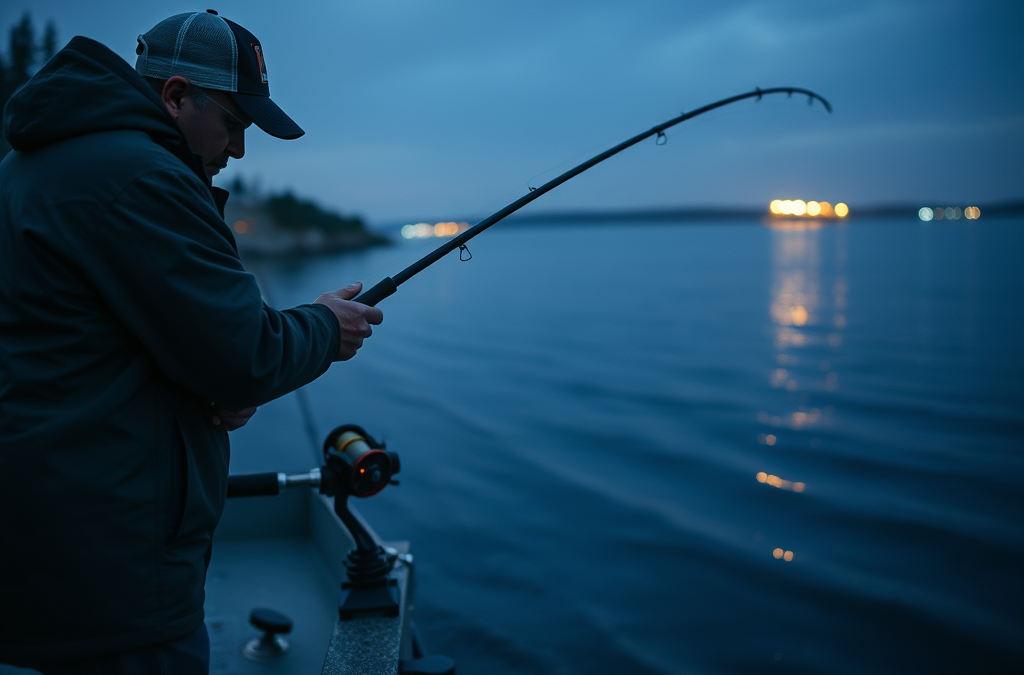
The success of night fishing is significantly influenced by environmental conditions, bait selection, and timing. Factors such as moon phase, water temperature, and local wildlife activity dictate fish behavior and feeding patterns. Choosing the right bait, particularly those that mimic natural prey, can enhance your chances. Additionally, understanding when fish are most active at night, such as during twilight hours, can lead to more successful catches.
Environmental Conditions
Environmental conditions play a crucial role in the success of night fishing. Factors such as water temperature, clarity, and the presence of current can significantly influence fish behavior. For instance, many species tend to be more active in warmer waters, particularly during the summer months when temperatures rise. Additionally, understanding the effects of moon phases can also impact fishing success. A full moon often leads to brighter nights, which can either stimulate or inhibit fish activity, depending on the species.

Water clarity is another important factor; murky waters can provide cover for fish, making them more likely to venture out at night. Conversely, clear waters may require anglers to adapt their tactics, such as using stealthy approaches and subtle presentations to avoid spooking fish. Furthermore, local wildlife activity, including the presence of insects and other prey, can attract fish to specific areas, enhancing the likelihood of a successful catch.
Bait Selection
Choosing the right bait is essential for successful night fishing. Nighttime fishing often requires different bait compared to daytime fishing, as fish may be looking for specific types of food. Live bait, such as worms, minnows, or leeches, can be particularly effective as they mimic the natural prey fish hunt for during the night.
Artificial lures can also be successful, especially those that incorporate movement or sound to attract fish. For example, using spinnerbaits or jigs that create vibrations can draw fish in dark waters where visibility is limited. Additionally, glow-in-the-dark lures can be particularly effective at night, as they stand out against the dark background and catch the attention of predatory fish.
Timing and Fish Activity
Understanding when fish are most active at night is key to improving your success rate. Fish tend to be more active during twilight hours, which include the periods just after sunset and just before sunrise. During these times, fish are often in shallower waters, making them more accessible to anglers.
Additionally, factors such as water temperature and moon phase can affect fish activity levels. For example, nights with a new moon may lead to increased fish activity as they feel safer in the darker conditions. Conversely, during full moons, fish may be more cautious due to increased visibility, requiring anglers to adjust their strategies accordingly.

Common Mistakes and Misconceptions
Many anglers make common mistakes that can hinder their success while night fishing. One prevalent misconception is that fish will always bite at night, which is not true. The effectiveness of night fishing relies on various factors, including the aforementioned environmental conditions and bait selection.
Another mistake is failing to adapt techniques used during the day to nighttime conditions. For instance, using flashy lures that work well in daylight may not be effective in dark waters. It’s crucial to adjust your approach and consider factors like water clarity and fish behavior patterns.
Further Reading
Authoritative Sources
- Library of Congress Research Guides
guides.loc.govResearch guides that help readers locate reliable background sources on a wide range of subjects
- USA.gov Official Information and Services
usa.govOfficial U.S. government information and public resources for practical reference
- Google Scholar
scholar.google.comAcademic search resource for finding research literature and source material

