
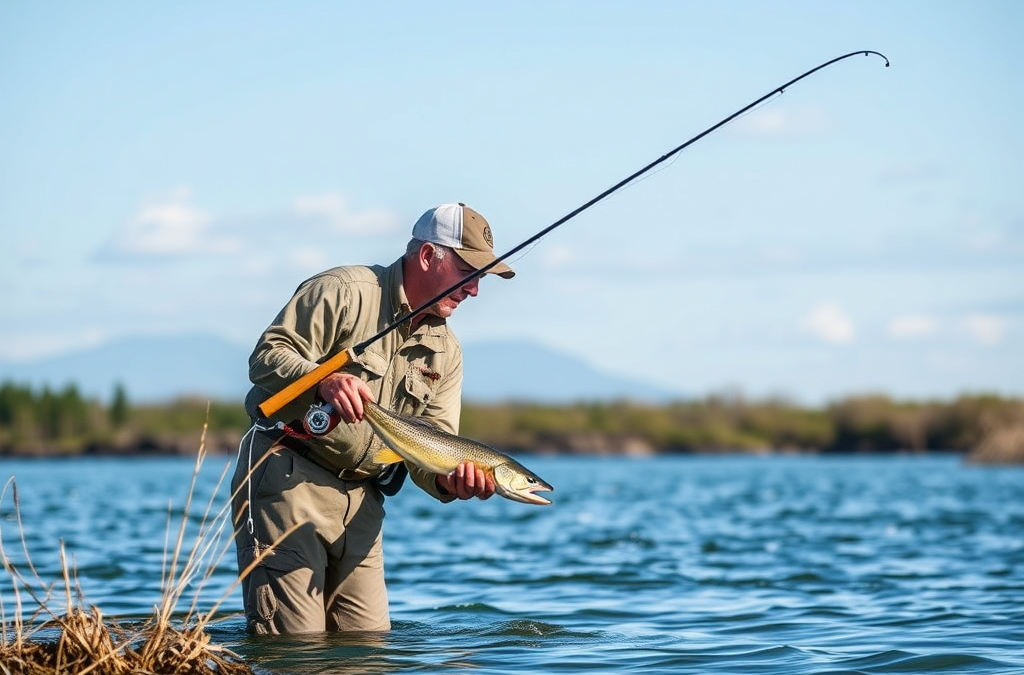
When scouting for fishing locations, it’s essential to evaluate water quality, structure, and seasonal patterns. Focus on water temperature, pH, and clarity, as these factors directly influence fish behavior and habitat preferences. Look for structures like submerged logs, rocks, and vegetation, which provide shelter and feeding opportunities for fish. Additionally, understanding seasonal changes in fish activity can help you select the best times and spots for fishing. For instance, during warmer months, fish may be more active in shallow waters, while colder months might push them to deeper areas.
Understanding Water Quality
Water quality is a critical factor when scouting for fishing locations, as it directly affects fish health and behavior. Key aspects to consider include temperature, pH levels, dissolved oxygen, and turbidity. Fish species have specific preferences for water conditions; for instance, trout thrive in cooler, oxygen-rich waters, while bass may prefer warmer areas. Monitoring these parameters can help you identify which species are likely to be present.

Temperature influences fish metabolism and feeding patterns. In general, warmer waters tend to increase fish activity, but extreme temperatures can be detrimental. Additionally, pH levels can affect fish reproduction and growth. A pH range of 6.5 to 8.5 is generally ideal for most freshwater species. Turbidity, or water clarity, plays a role in a fish’s ability to see food and avoid predators. Clear waters may favor sight-feeding species, while murky waters can provide cover for ambush predators.
To assess water quality effectively, consider using portable testing kits or consulting local environmental agencies for reports on water conditions in your target area. This proactive approach allows you to select locations that align with your fishing goals.
Identifying Structure and Habitat
Structure in a fishing location provides essential habitats for various fish species. Structures can include natural features like rocks, submerged logs, weed beds, and drop-offs, as well as man-made structures such as docks and piers. These areas often serve as ambush points for predators and refuge for prey, making them prime spots for fishing.
When scouting, look for irregularities in the shoreline or underwater landscape. Fish tend to congregate around structure because it offers food sources and protection from predators. For example, bass often hide near underwater vegetation or rocky outcrops where they can ambush smaller fish. Identifying these structures can be the key to a successful fishing trip.
Additionally, consider using sonar technology or fish finders to locate underwater structures that may not be visible from the surface. Understanding the type of structure present and its relation to the current and wind can also help you determine the best approach for fishing in that area.
Recognizing Seasonal Patterns
Fish behavior varies significantly with the seasons, so recognizing seasonal patterns is essential for effective scouting. During spring, fish are often in shallow waters for spawning, while in summer, they may seek deeper, cooler areas. In fall, fish tend to feed aggressively in preparation for winter, and in winter, they may become less active and retreat to deeper waters.

Understanding these seasonal movements allows anglers to plan their trips strategically. For instance, knowing that crappie spawn in shallow waters during spring can help you target them at the right time. Additionally, seasonal changes can affect the availability of baitfish, influencing where predatory species will be located.
Keep a fishing journal to track your observations and experiences throughout the year. Documenting the conditions and locations of successful catches can provide valuable insights for future trips. This historical data can be instrumental in predicting where fish will be at specific times of the year.
Practical Tips for Scouting
Effective scouting involves more than just observing water quality, structure, and seasonal patterns. Here are some practical tips to enhance your scouting efforts:
- Utilize Local Knowledge: Talk to local anglers, bait shops, or fishing guides to gain insights into the best fishing locations and conditions.
- Explore Different Times of Day: Fish behavior can change throughout the day. Early mornings and late afternoons are often the most productive times.
- Use Technology: GPS and mapping applications can help you mark promising spots and track your movements on the water.
- Be Patient: Scouting can take time. Spend a day exploring several locations to find the best spots for your fishing needs.
By applying these tips, you’ll be better prepared for your fishing adventures and increase your chances of success.
Further Reading
Authoritative Sources
- U.S. Fish and Wildlife Service
fws.govA reliable resource for information on fish species and habitat management
- National Wildlife Federation
nwf.orgProvides valuable insights on aquatic ecosystems and conservation efforts
- ScienceDirect
sciencedirect.comA comprehensive source for research articles on fish behavior and environmental influences

