
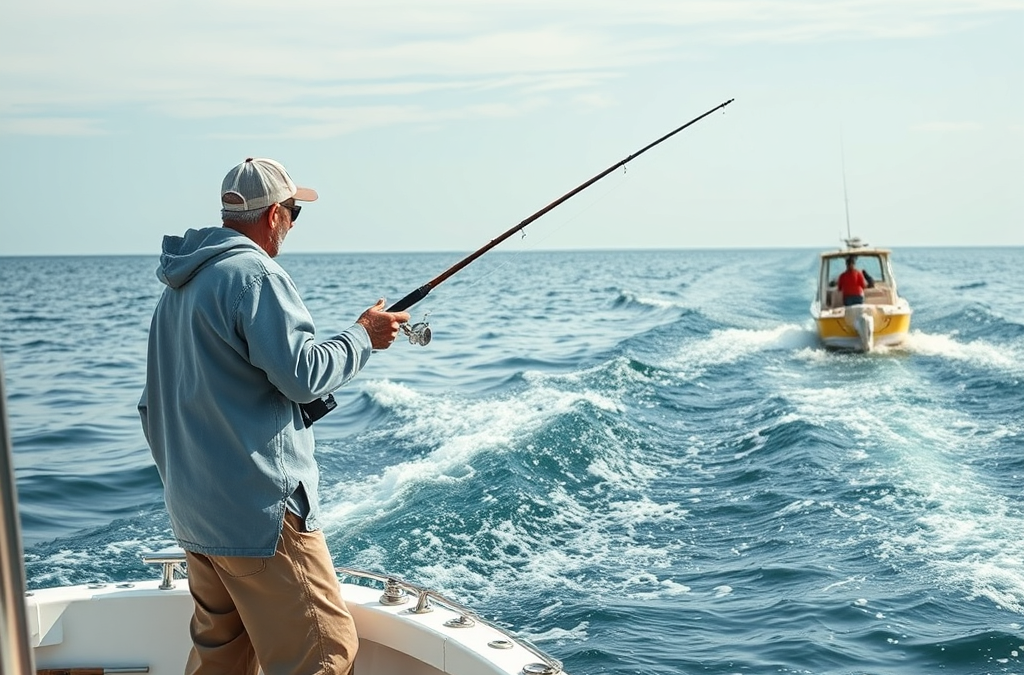
To fish in areas with heavy boat traffic, focus on early mornings or late evenings when boat activity is lower. Use noise-reducing tackle and select lures that mimic the natural prey of local fish. Additionally, consider fishing from quieter spots like docks or inlets, where fish retreat from disturbances. Always be aware of safety and navigation rules in busy waters.
Understanding Boat Traffic and Its Impact on Fishing
Fishing in areas with heavy boat traffic presents unique challenges due to disturbances that can affect fish behavior. The noise and vibrations from boats can scare fish away from their usual feeding grounds, making it essential for anglers to adapt their strategies. Understanding how boat traffic impacts fish is crucial; fish often seek refuge in quieter areas or alter their feeding patterns when faced with increased activity. Recognizing these behaviors can guide anglers in selecting the best fishing spots and times.

For instance, fish like bass and pike tend to avoid open water during peak boat traffic, preferring to hide near structures like docks, rocks, or submerged vegetation. Observing how fish react to disturbances can help anglers determine when and where to cast their lines effectively.
Understanding Boat Traffic and Its Impact on Fishing matters because it turns fish in areas with heavy boat traffic from a broad idea into a decision the reader can actually apply. The practical difference usually shows up in the details: how much is needed, when the choice is made, what tradeoff is acceptable, and what sign shows the approach is working. The strongest advice connects the decision, the constraint, the tradeoff, and the signal that shows whether the approach is working.
A useful way to handle this section is to compare the normal baseline with the situation that creates extra demand. If fish is the baseline concern, then boat becomes the adjustment point and traffic becomes the outcome to watch. That keeps the advice specific without forcing the reader into a rigid formula that may not fit their routine, budget, tolerance, schedule, or current level of experience.
The most common mistake is changing too many variables at once. A better approach is to choose one measurable adjustment, use it consistently long enough to see a pattern, and then refine the next step based on energy, comfort, performance, safety, or reliability. This makes the guidance easier to trust because the reader can connect the recommendation to what they observe rather than guessing from a generic checklist.
The practical takeaway is to make the section actionable: identify the main constraint, choose the smallest useful change, and compare the result against the goal. When the outcome improves, the reader can keep the approach. When it does not, the next change should target the most likely bottleneck rather than repeating the same step with more effort.
Optimal Times for Fishing in Busy Waters
Timing is critical when fishing in areas with heavy boat traffic. Early mornings and late evenings are generally the best times to fish, as boat activity tends to decrease during these hours. Fish are also more active during dawn and dusk, making them more likely to bite. Additionally, overcast days can provide excellent fishing conditions, as reduced light levels can encourage fish to venture out from their hiding spots.
Another effective strategy is to monitor boat traffic patterns. If you notice a lull in activity, it might be an opportune time to fish. This strategy requires patience and observation, as waiting for the right moment can yield significant rewards. Anglers should also consider local regulations and seasonal patterns that may affect fish populations and their feeding habits.
Optimal Times for Fishing in Busy Waters matters because it turns fish in areas with heavy boat traffic from a broad idea into a decision the reader can actually apply. The practical difference usually shows up in the details: how much is needed, when the choice is made, what tradeoff is acceptable, and what sign shows the approach is working. For technology topics, the strongest advice connects the user goal, system constraint, maintenance burden, and measurable outcome.
A useful way to handle this section is to compare the normal baseline with the situation that creates extra demand. If fish is the baseline concern, then boat becomes the adjustment point and traffic becomes the outcome to watch. That keeps the advice specific without forcing the reader into a rigid formula that may not fit their routine, budget, tolerance, schedule, or current level of experience.
The most common mistake is changing too many variables at once. A better approach is to choose one measurable adjustment, use it consistently long enough to see a pattern, and then refine the next step based on energy, comfort, performance, safety, or reliability. This makes the guidance easier to trust because the reader can connect the recommendation to what they observe rather than guessing from a generic checklist.
Effective Fishing Techniques in High-Traffic Areas
When fishing in areas with heavy boat traffic, employing specific techniques can enhance your chances of success. Using noise-reducing tackle, such as soft plastic lures instead of hard baits, can help minimize disturbances and attract fish. Additionally, consider using lighter line to reduce visibility and increase sensitivity when a fish bites.
Another effective method is to fish from the edges of boat lanes or near structures that provide cover. Docks, jetties, and rocky shorelines are excellent spots where fish congregate away from the noise. Techniques such as drop-shotting or Texas rigging can be particularly effective in these areas, as they allow for precise presentations that can entice cautious fish.
Lastly, employing a stealthy approach is vital. Avoid making loud noises or unnecessary movements that could scare fish away. A quiet, patient approach will often yield better results than aggressive casting and reeling.
Effective Fishing Techniques in High-Traffic Areas matters because it turns fish in areas with heavy boat traffic from a broad idea into a decision the reader can actually apply. The practical difference usually shows up in the details: how much is needed, when the choice is made, what tradeoff is acceptable, and what sign shows the approach is working. For technology topics, the strongest advice connects the user goal, system constraint, maintenance burden, and measurable outcome.
A useful way to handle this section is to compare the normal baseline with the situation that creates extra demand. If fish is the baseline concern, then areas becomes the adjustment point and boat becomes the outcome to watch. That keeps the advice specific without forcing the reader into a rigid formula that may not fit their routine, budget, tolerance, schedule, or current level of experience.
Safety Considerations When Fishing in Heavy Traffic
Safety is paramount when fishing in busy waters. Always wear a personal flotation device (PFD) and ensure your boat is equipped with the necessary safety gear. Be aware of your surroundings and maintain a safe distance from larger vessels. Understanding navigational rules and local regulations is crucial to prevent accidents and ensure a safe fishing experience.
Additionally, consider using a spotter or fishing with a partner, especially in high-traffic areas. This strategy can help alert you to approaching boats and keep you safe while fishing. Lastly, always check the weather conditions before heading out, as changing weather can create hazardous conditions on the water.
Safety Considerations When Fishing in Heavy Traffic matters because it turns fish in areas with heavy boat traffic from a broad idea into a decision the reader can actually coordinate. The practical difference usually shows up in the details: how much is needed, when the choice is made, what tradeoff is acceptable, and what sign shows the approach is working. For technology topics, the strongest advice connects the user goal, system constraint, maintenance burden, and measurable outcome.
A useful way to handle this section is to compare the normal baseline with the situation that creates extra demand. If fishing is the baseline concern, then areas becomes the adjustment point and heavy becomes the outcome to watch. That keeps the advice specific without forcing the reader into a rigid formula that may not fit their routine, budget, tolerance, schedule, or current level of experience.
The most common mistake is changing too many variables at once. A better approach is to choose one measurable adjustment, use it consistently long enough to see a pattern, and then refine the next step based on energy, comfort, performance, safety, or reliability. This makes the guidance easier to trust because the reader can connect the recommendation to what they observe rather than guessing from a generic checklist.
Frequently Asked Questions
What are the best times to fish in busy waters?
Early mornings and late evenings are ideal for fishing in busy waters, as boat traffic is usually lower.
How does boat traffic affect fish behavior?
Boat traffic can scare fish away from open waters, prompting them to seek refuge in quieter areas or near structures.
What fishing techniques work best in high-traffic areas?
Using noise-reducing tackle, fishing near structures, and employing stealthy approaches can enhance success in high-traffic areas.
What safety measures should I take when fishing in busy waters?
Always wear a PFD, be aware of your surroundings, and understand navigational rules to ensure safety while fishing.
Can fishing from docks be effective in busy areas?
Yes, docks often provide cover and are excellent spots for catching fish away from heavy boat traffic.
Further Reading
Authoritative Sources
- Investor.gov
investor.govSEC investor education resources for evaluating financial products and risk.
- FINRA Investor Insights
finra.orgInvestor education, broker-check tools, and financial decision resources.
- Consumer Financial Protection Bureau
consumerfinance.govConsumer guidance on credit, debt, lending, and financial products.
- Internal Revenue Service
irs.govOfficial tax guidance, forms, and compliance information.
Conclusion
Fishing in areas with heavy boat traffic requires adaptability and strategic planning. By understanding the impact of boat activity on fish behavior, choosing optimal fishing times, and employing effective techniques, anglers can improve their chances of success. Safety should always be a priority; wearing a PFD and being aware of your surroundings can ensure a safe fishing experience. With the right approach, fishing in busy waters can be both enjoyable and rewarding.

