
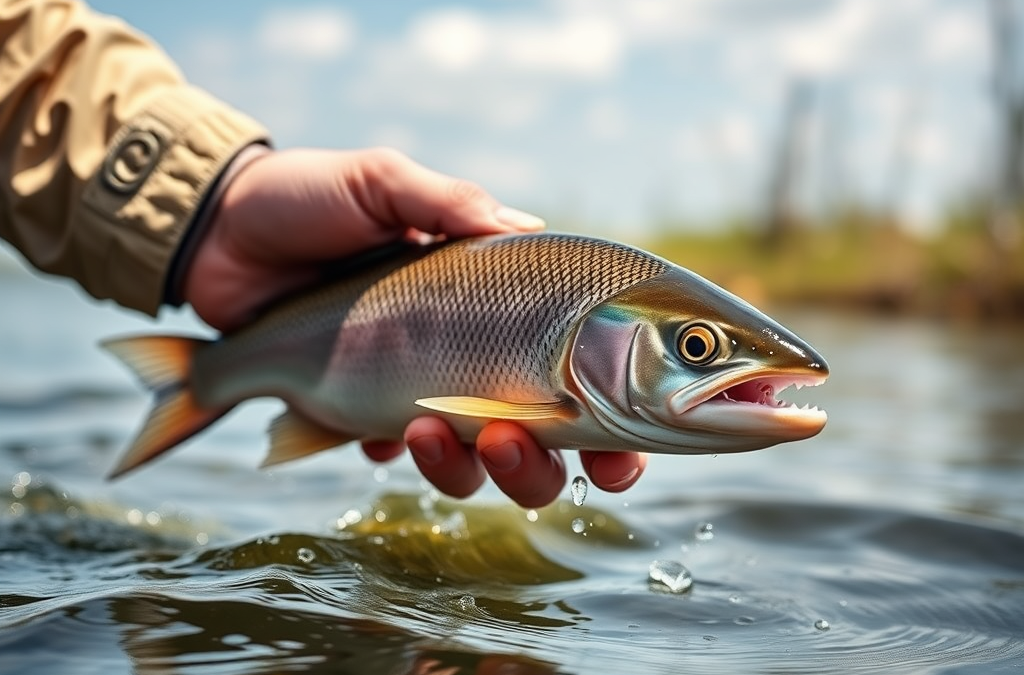
Handling and releasing fish safely involves minimizing stress and injury to the fish, ensuring their survival post-release. Key steps include wetting your hands before touching the fish, using barbless hooks to reduce damage, and releasing the fish quickly back into the water. Avoid holding them by the gills or squeezing their bodies, as this can cause harm. Proper handling techniques not only promote fish welfare but also contribute to sustainable fishing practices.
Why Safe Handling and Release Matters
Handling and releasing fish safely is crucial for maintaining healthy fish populations and ecosystems. When fish are caught, they experience stress, which can lead to physiological changes that affect their survival rates. Proper handling techniques minimize this stress and ensure that fish can return to their habitats unharmed. Additionally, sustainable fishing practices require anglers to prioritize the well-being of the fish they catch, contributing to the overall health of aquatic environments.

Research shows that fish released correctly have a significantly higher chance of survival. For example, studies indicate that fish handled gently and returned swiftly to the water can recover from the stress of being caught, whereas those subjected to rough handling may suffer from delayed mortality. Understanding the impact of handling practices is essential for anglers who wish to engage in responsible fishing.
Why Safe Handling and Release Matters matters because it turns handle and release fish safely from a broad idea into a decision the reader can actually apply. The practical difference usually shows up in the details: how much is needed, when the choice is made, what tradeoff is acceptable, and what sign shows the approach is working. For preparedness topics, the strongest advice connects readiness, realistic constraints, household routines, and the first action that reduces risk.
A useful way to handle this section is to compare the normal baseline with the situation that creates extra demand. If fish is the baseline concern, then handling becomes the adjustment point and release becomes the outcome to watch. That keeps the advice specific without forcing the reader into a rigid formula that may not fit their routine, budget, tolerance, schedule, or current level of experience.
The most common mistake is changing too many variables at once. A better approach is to choose one measurable adjustment, use it consistently long enough to see a pattern, and then refine the next step based on energy, comfort, performance, safety, or reliability. This makes the guidance easier to trust because the reader can connect the recommendation to what they observe rather than guessing from a generic checklist.
The practical takeaway is to make the section actionable: identify the main constraint, choose the smallest useful change, and compare the result against the goal. When the outcome improves, the reader can keep the approach. When it does not, the next change should target the most likely bottleneck rather than repeating the same step with more effort.
The Right Techniques for Handling Fish
To handle fish safely, it’s important to follow specific techniques that minimize harm. First, always wet your hands before touching the fish. Dry hands can remove the protective slime layer on a fish’s skin, making them more vulnerable to disease. Use gentle grips to hold the fish, supporting its body without squeezing. For larger species, it’s best to hold them by the tail or use a landing net to avoid direct contact.
Another key technique is to use barbless hooks. Barbless hooks make it easier to remove the hook from the fish and reduce injury during the release process. If you’re using barbed hooks, consider using pliers to gently back the hook out rather than pulling it through, which can cause more damage. Additionally, when unhooking a fish, do so as quickly as possible to reduce its time out of water.
The Right Techniques for Handling Fish matters because it turns handle and release fish safely from a broad idea into a decision the reader can actually apply. The practical difference usually shows up in the details: how much is needed, when the choice is made, what tradeoff is acceptable, and what sign shows the approach is working. For technology topics, the strongest advice connects the user goal, system constraint, maintenance burden, and measurable outcome.
A useful way to handle this section is to compare the normal baseline with the situation that creates extra demand. If fish is the baseline concern, then handle becomes the adjustment point and release becomes the outcome to watch. That keeps the advice specific without forcing the reader into a rigid formula that may not fit their routine, budget, tolerance, schedule, or current level of experience.
The most common mistake is changing too many variables at once. A better approach is to choose one measurable adjustment, use it consistently long enough to see a pattern, and then refine the next step based on energy, comfort, performance, safety, or reliability. This makes the guidance easier to trust because the reader can connect the recommendation to what they observe rather than guessing from a generic checklist.
Best Practices for Releasing Fish
After handling the fish, the next step is to release it properly. Aim to return the fish to the water as quickly as possible. If you need to take a photo, do so while keeping the fish close to the water to minimize its time out of its natural habitat. For species that are sensitive to temperature changes, avoid releasing them in water that is significantly warmer or cooler than where they were caught.
When placing the fish back in the water, hold it upright and gently move it back and forth in the water to help it regain its strength. This motion allows water to flow over its gills, ensuring it can breathe effectively. If a fish appears lethargic or unable to swim away, give it additional time in the water or consider keeping it until it can swim off on its own.
Best Practices for Releasing Fish matters because it turns handle and release fish safely from a broad idea into a decision the reader can actually apply. The practical difference usually shows up in the details: how much is needed, when the choice is made, what tradeoff is acceptable, and what sign shows the approach is working. For technology topics, the strongest advice connects the user goal, system constraint, maintenance burden, and measurable outcome.
A useful way to handle this section is to compare the normal baseline with the situation that creates extra demand. If fish is the baseline concern, then water becomes the adjustment point and release becomes the outcome to watch. That keeps the advice specific without forcing the reader into a rigid formula that may not fit their routine, budget, tolerance, schedule, or current level of experience.
Common Mistakes to Avoid
Even experienced anglers can make mistakes when handling and releasing fish. One common error is holding fish by their gills or squeezing them tightly, which can cause internal injuries and stress. Another mistake is taking too long to release the fish, which increases the risk of mortality due to stress or damage from prolonged air exposure.
Additionally, failing to use the right equipment, such as nets or pliers, can lead to unnecessary harm. Always ensure that your gear is appropriate for the type of fish you’re targeting, and be mindful of the conditions in which you’re fishing. Wind, waves, and other environmental factors can complicate the release process, so be prepared to adjust your techniques accordingly.
Common Mistakes to Avoid matters because it turns handle and release fish safely from a broad idea into a decision the reader can actually prevent. The practical difference usually shows up in the details: how much is needed, when the choice is made, what tradeoff is acceptable, and what sign shows the approach is working. For technology topics, the strongest advice connects the user goal, system constraint, maintenance burden, and measurable outcome.
A useful way to handle this section is to compare the normal baseline with the situation that creates extra demand. If fish is the baseline concern, then release becomes the adjustment point and handle becomes the outcome to watch. That keeps the advice specific without forcing the reader into a rigid formula that may not fit their routine, budget, tolerance, schedule, or current level of experience.
The most common mistake is changing too many variables at once. A better approach is to choose one measurable adjustment, use it consistently long enough to see a pattern, and then refine the next step based on energy, comfort, performance, safety, or reliability. This makes the guidance easier to trust because the reader can connect the recommendation to what they observe rather than guessing from a generic checklist.
Frequently Asked Questions
What is the best way to hold a fish?
The best way to hold a fish is to support its body with both hands, avoiding any pressure on its gills or abdomen. For larger fish, hold them by the tail or use a net.
How long can a fish survive out of water?
Most fish can survive out of water for a few minutes, but this varies by species. It's best to limit exposure to ensure their survival after release.
Why is it important to use barbless hooks?
Barbless hooks reduce injury during catch and release, making it easier to unhook fish quickly and safely, which enhances their chances of survival.
Can I take a photo of the fish before releasing it?
Yes, but do so quickly and keep the fish close to the water to minimize stress and air exposure. Releasing it promptly is crucial.
What should I do if a fish seems weak after release?
If a fish appears weak, gently hold it in the water, moving it back and forth to help it breathe. If it doesn’t recover, give it more time before letting it go.
Further Reading
Authoritative Sources
- Ready.gov
ready.govOfficial household preparedness guidance, emergency plans, and supply checklist resources.
- FEMA
fema.govFederal emergency management information, disaster planning resources, and recovery guidance.
- American Red Cross Emergency Preparedness
redcross.orgPractical emergency preparation, safety, and response guidance for households.
- CDC Emergency Preparedness and Response
cdc.govPublic health guidance for disasters, emergency response, and recovery conditions.
Conclusion
Safe handling and release of fish are vital for preserving fish populations and promoting sustainable fishing practices. By employing the right techniques, such as wetting your hands, using barbless hooks, and quickly returning fish to the water, anglers can significantly increase the chances of survival for the fish they catch. Avoiding common mistakes, such as prolonged exposure to air and improper handling, is equally important. Prioritize the well-being of the fish to ensure healthy aquatic ecosystems for future generations.

