
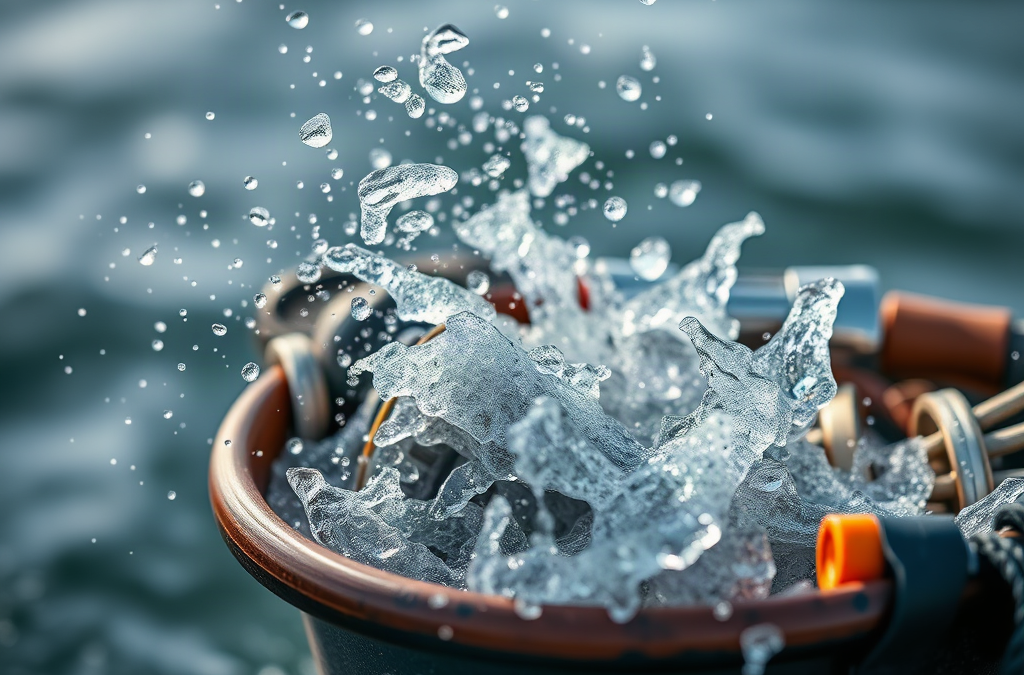
Clean and maintain your fishing gear by rinsing salt, dirt, and debris with fresh water, drying every component completely, lubricating moving parts with the manufacturer-approved product, and inspecting for wear before storage. Wash rods and reels after each saltwater trip, remove line trapped around reel components, and use a soft brush rather than harsh solvents on finishes and drag systems. Replace damaged line, corroded hooks, cracked guides, and flattened seals instead of trying to preserve unsafe parts. A short post-trip rinse prevents abrasive buildup, while a deeper seasonal inspection catches corrosion and mechanical problems before they affect casting or fish control.
Cleaning Priorities After Every Fishing Trip
Fishing gear lasts longer when residue is removed before it dries. Salt crystals, sand, plant fragments, fish slime, sunscreen, and bait oils can work into reel seams, line rollers, zipper tracks, and hook boxes. Saltwater creates the fastest corrosion risk, but freshwater equipment also accumulates grit and organic residue that can make moving parts rough.

Begin with a gentle freshwater rinse rather than a forceful spray. High water pressure can drive contamination past reel seals or into bearings. Hold a rod and reel over a drain, use a light stream, and rotate the handle slowly so loose particles can leave without being pushed deeper. Wipe the exterior with a damp microfiber cloth, then dry the equipment with a separate towel.
A practical post-trip routine takes only a few minutes:
- Remove lures, hooks, bait, and loose debris before rinsing.
- Rinse saltwater-exposed surfaces with low pressure.
- Wipe guides, reel seats, handles, and grips.
- Open tackle boxes briefly so trapped moisture can escape.
- Dry everything in a shaded, ventilated area before storage.
Sunlight may seem useful for drying, but prolonged heat can age plastics, soften some adhesives, and damage line. A shaded rack or open-air room is safer. The common mistake is sealing wet equipment inside a tackle bag immediately after returning home. That creates a humid pocket where corrosion continues unnoticed, especially around hooks and reel hardware.
Saltwater anglers should treat rinsing as routine maintenance, not an occasional deep-cleaning project. A freshwater trip may require less washing, but muddy banks and sandy launches still justify wiping the lower rod sections and checking the reel foot. For a more detailed how to clean and maintain your fishing gear routine, match the cleaning effort to the residue and the equipment’s construction.
Cleaning Rods, Reels, Line, And Terminal Tackle
Different components need different cleaning methods because water, solvents, and abrasion affect them differently. Rod blanks usually need only a soft cloth and mild soap solution. Wipe from the handle toward the tip, paying attention to guide frames and the reel seat. A soft toothbrush can loosen dried material around a guide, but do not scrape the blank with a blade or abrasive pad.
Reels deserve more restraint. Exterior rinsing and wiping are appropriate for routine care, while opening a reel should follow the manufacturer’s service instructions. Remove the spool when the design allows it, inspect beneath the spool for sand or line fragments, and wipe accessible surfaces with a lint-free cloth. Do not flood the drag stack with oil or general-purpose spray. Excess lubricant can contaminate drag washers and attract grit, changing drag behavior when pressure matters.
Line should be inspected while it is still on the spool. Run monofilament or fluorocarbon between clean fingers and look for nicks, cloudy sections, flat spots, or memory that affects casting. Braided line can hide abrasion in a small section, particularly near rocks, dock edges, and vegetation. Pull off damaged material rather than assuming a knot will compensate for weakened line.
Terminal tackle should be cleaned and dried outside the tackle box. Rinse lures, swivels, pliers, and hooks exposed to salt. Dry hooks individually when possible and discard any that show deep rust, a bent point, or a weakened eye. Surface discoloration is not the same as structural corrosion, but a hook that catches on fabric or has a visibly rough point should not be trusted for a strong fish.
Use soap sparingly. It can remove oily residue, but it may leave a film on line, cork, or soft plastics and can transfer odors to lures. Rinse thoroughly and reserve stronger cleaners for materials whose manufacturer specifically permits them. The weak assumption that every piece of gear benefits from the same spray leads to damaged finishes, sticky grips, and contaminated drag systems.
Lubrication, Inspection, And Repair Decisions
Lubrication should reduce friction at designated contact points, not coat the entire reel. After cleaning and drying, consult the reel manual for oil and grease locations. A tiny amount of reel oil may suit an accessible handle or bearing, while gear teeth generally require the specified grease. Applying more product does not create better protection; it can slow moving parts and hold abrasive particles against them.
Inspect equipment in a fixed order so small faults do not disappear into a general visual check. Examine the rod tip and each guide for cracks, looseness, or sharp edges. Check the reel handle, bail, line roller, spool lip, drag adjustment, and anti-reverse function. Pull several feet of line through your fingers and inspect the connection between leader and main line. Test pliers and cutters before an emergency makes their condition relevant.
Repair or replacement depends on the component and the failure risk. A loose guide may be repairable, and a dirty line roller may respond to careful cleaning. A cracked spool lip, damaged drag component, frayed leader, or deeply corroded hook is a different decision because failure can occur under load. Replacing inexpensive terminal tackle is usually more sensible than gambling on a compromised connection.
A useful inspection checklist includes:
- Rod: tip, guides, ferrules, reel seat, handle, and blank damage.
- Reel: smooth rotation, bail or levelwind movement, line roller, drag, and fasteners.
- Line: abrasion, age, knots, flattened sections, and spool fill.
- Tackle: hook points, split rings, swivels, snaps, corrosion, and dried bait residue.
Test the gear after service with ordinary movement, not excessive force. A reel that feels smooth without line may still bind under tension; a guide that looks intact may cut line if its insert is chipped. Stop using the item when a sharp edge, grinding sensation, intermittent drag, or unexplained looseness remains after cleaning. A professional service may be appropriate for sealed or complex reels when the problem lies inside the body rather than on an accessible surface.

Storage Routines That Prevent Damage
Storage protects clean gear from the same moisture and abrasion that caused the original problem. Store rods vertically or horizontally with support at more than one point, and avoid leaning them where the tip can be bent. Keep reels out of direct heat and allow the drag to follow the manufacturer’s storage recommendation; some designs benefit from reducing drag pressure, but the manual should take priority.
Separate wet items from dry tackle. Soft plastics can react with certain box materials, while hooks stored beside damp lures may rust quickly. Use ventilated tackle trays when possible, and do not leave a used lure sealed in a closed compartment overnight. Small silica-gel packets may help inside a tackle bag, but they cannot replace drying equipment and should not be treated as a cure for standing water.
Line storage requires a balance between protection and inspection. Keep spools away from sharp tools, direct sunlight, and extreme heat. Do not wind wet line into a tightly closed reel and assume it will dry internally. After a wet trip, loosen or open accessible components according to the reel design and let air circulate. Replace line when repeated abrasion, severe memory, or age-related brittleness affects the intended presentation or safety margin.
At the end of a season, perform a deeper service rather than repeating only the quick rinse. Remove old debris, inspect every guide and connection, clean accessible reel surfaces, check spare hooks and leaders, and record parts that need replacement before the next trip. Beginners often over-service clean freshwater equipment while under-servicing saltwater reels; advanced anglers sometimes do the opposite by delaying simple rinses because they plan a later full teardown. Consistent light care is safer than either extreme.
Keep a compact maintenance kit with a microfiber cloth, soft brush, mild soap, clean water, reel-specific lubricant, cotton swabs, spare line, and corrosion-free terminal tackle. Never mix unknown chemicals in the kit. If a product label does not identify compatibility with fishing equipment, use it only after confirming the manufacturer’s guidance. The goal is controlled cleaning, complete drying, and early replacement of parts that no longer deserve confidence.
Frequently Asked Questions
How often should fishing gear be cleaned?
Rinse and dry gear after every saltwater trip and after muddy or sandy freshwater outings. Perform a more detailed inspection at the end of the season or whenever a reel feels rough.
Can I spray a fishing reel with a hose?
Use a gentle stream instead of high pressure. Forceful water can push salt and grit past seals into bearings, drag components, or other internal areas.
Should fishing reel drag be loosened during storage?
Follow the reel maker's instructions. Many anglers reduce drag pressure for storage, but construction varies, so the manual is more reliable than a universal rule.
When should fishing line be replaced?
Replace line when it has repeated abrasion, visible nicks, severe memory, brittleness, or unexplained breakage. Inspect the section near knots and contact points first.
Is household lubricant safe for fishing reels?
Not necessarily. Use oil or grease specified for the reel and apply it only to approved points; incompatible products may damage finishes, seals, or drag performance.
Further Reading
Authoritative Sources
- Ready.gov
ready.govOfficial household preparedness guidance, emergency plans, and supply checklist resources.
- FEMA
fema.govFederal emergency management information, disaster planning resources, and recovery guidance.
- American Red Cross Emergency Preparedness
redcross.orgPractical emergency preparation, safety, and response guidance for households.
- CDC Emergency Preparedness and Response
cdc.govPublic health guidance for disasters, emergency response, and recovery conditions.
Conclusion
Reliable gear care is built around three priorities: remove residue gently, dry equipment completely, and find worn parts before they fail under pressure. Saltwater deserves immediate attention, while sand, mud, bait oils, and plant debris also justify a post-trip wipe and inspection. Keep reel lubrication limited to approved contact points, treat line and hooks as consumable safety components, and avoid aggressive sprays that force contamination into enclosed mechanisms. A short rinse after each outing plus a deliberate seasonal check is usually more effective than an occasional overhaul performed after corrosion has spread. Before the next trip, inspect the rod guides, line, drag, connections, hooks, and storage compartments, then replace anything that shows damage you would not trust during a hard run.

