
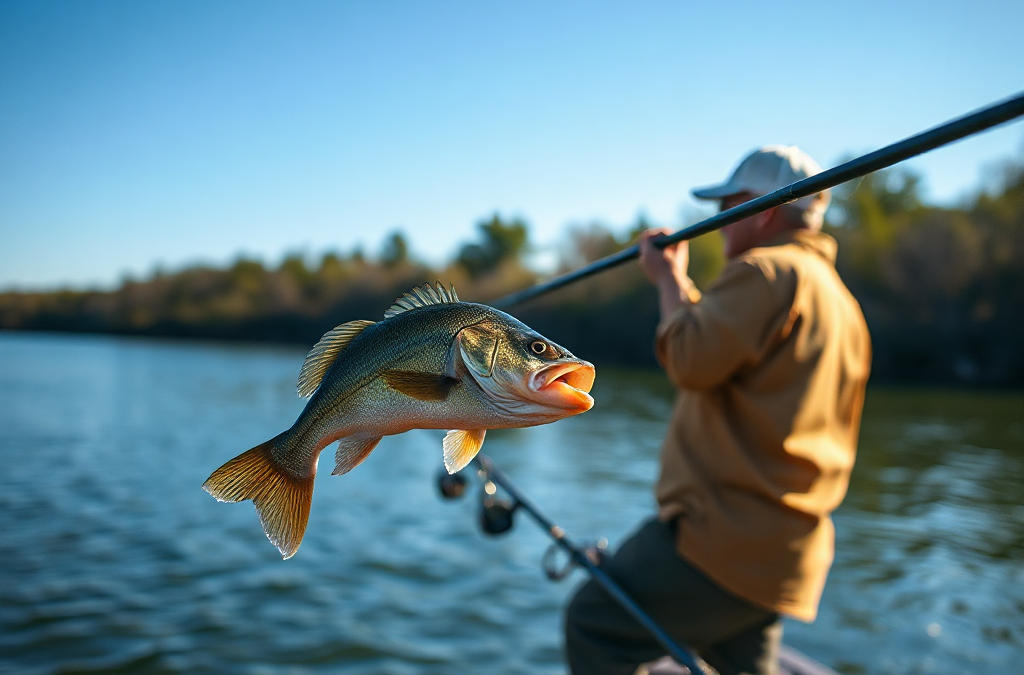
Choose a bass rod by matching its power and action to the lure weight, cover, hook style, and retrieve you use most often. A medium-heavy, fast-action rod is a versatile starting point because it balances casting control, single-hook power, and enough sensitivity for jigs, Texas rigs, and many spinnerbaits. Choose medium power for lighter plastics and treble-hook lures, while heavy power is better for thick vegetation, frogs, and heavy flipping. Longer rods generally cast farther and move more line, but shorter rods offer better accuracy in tight cover.
Match Rod Power to Bass Cover and Lure Weight
Rod power describes how much force it takes to load and bend the blank. It is not the same as action, which describes where the blank bends. For bass fishing, power should be selected from the combined demands of lure weight, line strength, hook size, and cover. A medium rod loads easily with lighter presentations, while medium-heavy and heavy rods provide more authority when a fish must be turned away from grass, brush, docks, or submerged timber.

A medium-heavy rod is the most useful starting point for many anglers because it handles a broad range of bass techniques. It can cast a Texas-rigged worm, jig, vibrating jig, or many spinnerbaits without feeling overly stiff. Medium power is often more suitable for small crankbaits, finesse worms, lightweight jigs, and other lures with modest hooks. Heavy power becomes more practical for hollow-body frogs, thick mats, punching weights, and large single-hook lures where lifting power matters.
Consider a bank angler fishing sparse weeds with a 3/8-ounce jig. Medium-heavy power gives enough backbone for a firm hookset without making the lure feel dead during the retrieve. Move that same presentation into dense hydrilla, and a heavy rod may be justified because the fish and vegetation must be moved together. The rod does not create unlimited strength, though; line rating, knot quality, drag setting, and the angler’s ability to keep steady pressure remain part of the system.
Manufacturers’ power labels are not perfectly standardized, so compare the lure and line ratings printed on the blank rather than relying only on the word “medium-heavy.” A rod rated for a heavier lure range may feel noticeably different from another rod with the same label. Avoid choosing the stiffest model simply because it sounds more powerful. An oversized rod can make light lures cast poorly, pull treble hooks free, and reduce the loading that makes a cast efficient.
- Medium: lighter lures, finesse plastics, and many treble-hook baits.
- Medium-heavy: versatile single-hook work and general-purpose bass use.
- Heavy: thick cover, frogs, punching, and heavier terminal tackle.
Before shopping, write down the heaviest lure you routinely throw and the cover you fish most often. That information is more useful than choosing a rod because it is marketed as an all-purpose model. For additional lure-selection context, compare the rod decision with how to choose the right rod for bass fishing alongside your actual tackle box.
Choose Fast or Moderate Action for Hooksets
Rod action controls how quickly the blank returns toward its original position and how far down it bends under load. Fast-action rods bend mostly near the tip, producing a quick transfer of force and a crisp feel. Moderate or moderate-fast rods bend farther into the blank, loading more gradually during a cast and keeping pressure on a fish that is shaking a lure with treble hooks.
Fast action is usually the better fit for bottom-contact techniques. With a jig or Texas rig, the angler needs to distinguish a change in bottom composition from a bite and then drive a single hook through the fish’s mouth. A fast tip can transmit those changes clearly while the stronger lower section supports the hookset. It also makes it easier to move a bass away from a dock post before the fish reaches the obstruction.
Moderate action has a different advantage. A crankbait with treble hooks can be pulled free if a very stiff, fast rod reacts too abruptly when the fish surges beside the boat. A more progressive bend keeps the hooks loaded and cushions sudden movements. That does not mean moderate action is weak; it simply spreads the pressure over more of the blank. A moderate-fast rod can be a useful compromise for anglers who throw both moving baits and some single-hook presentations.
Rod action also affects casting. A moderate blank stores energy over a longer section, which can help propel moving baits smoothly and keep the lure from being launched with a sudden snap. Fast rods can be highly accurate, particularly for pitching and skipping, but they reward controlled casting rather than forceful swings. A common mistake is assuming “fast” automatically means more sensitive or more versatile. Sensitivity also depends on blank construction, guides, reel-seat contact, line, and how the lure loads the rod.
Use the hook style as a final check. Single, stout hooks usually favor faster action and stronger power; treble-hooked lures often benefit from a more forgiving bend. If one rod must cover both jobs, medium-heavy power with moderate-fast action is often a more balanced compromise than an extremely fast, broomstick-like blank.
Set Rod Length, Handle, and Reel Compatibility
Length changes casting distance, lure control, leverage, and accuracy. A longer bass rod generally sends a lure farther because it creates a larger casting arc and moves more line during the hookset. It can also keep line above aquatic vegetation and help steer a hooked fish. A shorter rod is easier to maneuver around overhanging limbs, cramped shorelines, and close-quarters targets.
For general bass use, many anglers find a rod in the roughly 6-foot-8-inch to 7-foot-3-inch range easy to adapt to. The shorter end favors precise casts to isolated targets, while the longer end adds distance and leverage for open water. A 7-foot rod may be comfortable for a spinnerbait or worm, but it may feel cumbersome when skipping beneath low docks. Shore anglers should pay attention to bank access, not just the distance they hope to gain.
Handle design affects fatigue and control more than many specifications suggest. A full-length rear grip can provide leverage for casting and fighting a fish, while a shorter split grip may reduce weight and leave more blank exposed. Neither style automatically catches more bass. The practical test is whether the butt rests comfortably against your forearm and whether you can work the lure without the handle striking your ribs or boat seat.
Spinning and casting rods are built around different reel positions and line paths. A baitcasting rod has a trigger grip and guides sized for the line leaving a level-wind reel. A spinning rod has larger lower guides to manage coils leaving a stationary spool. Do not pair a casting reel with a spinning rod because the mismatch changes balance, guide performance, and casting control. Reel size, spool capacity, and line choice should fit the rod’s stated range rather than being selected independently.
Balance the assembled outfit at the grip. If the tip drops heavily when the reel is attached, the setup may cause wrist fatigue during repeated casting. A lighter rod is not automatically better if it feels tip-heavy or lacks the power required by the cover. Test the complete rod-and-reel combination when possible, especially if you fish long sessions from shore or repeatedly pitch short targets.
Build a Practical Bass Rod Setup
Start with the technique you fish most often, then allow a reasonable margin for nearby techniques. A dedicated frog rod should not be judged by the same standard as a drop-shot rod. The frog setup needs strong lifting power and dependable control over heavy line, whereas a finesse setup must load with a light lure and protect thin line during a fight.

A useful decision sequence is simple:
- Identify the primary lure: note its weight, hook style, and whether it is retrieved steadily or worked along the bottom.
- Assess the cover: open water permits lighter tackle; grass, wood, and docks demand more power and controlled pressure.
- Select the reel type: use a spinning outfit for light lures and line management, or a casting outfit for heavier lures, pitching, and precise control.
- Choose length and action: favor distance and leverage in open water, or accuracy and maneuverability in tight targets.
- Check the assembled balance: the rod should feel controlled with the reel, line, and lure attached.
For a first casting outfit, a medium-heavy rod around seven feet with fast or moderate-fast action is a practical general-purpose choice for many bass anglers. It can handle common worms, jigs, spinnerbaits, and vibrating baits, but it is not a perfect match for every technique. If your fishing is dominated by small crankbaits, a moderate-action rod may protect the treble hooks better. If you spend most of the day punching thick vegetation, a heavier model is more appropriate.
Watch how the rod behaves rather than trusting the label alone. A suitable rod loads during the cast without collapsing, keeps the lure tracking naturally, and recovers without excessive wobble. During a hookset, it should provide resistance without forcing the angler to overpower the fish. If light lures fall short and the blank barely bends, the rod is probably too powerful for that presentation. If the rod folds deeply when pulling a bass from cover, the setup may lack the reserve power needed for the environment.
Budget also requires judgment. A more expensive blank may offer lower weight or better sensitivity, but a properly matched mid-priced rod will usually serve better than a premium rod chosen for the wrong lure class. Put fit, power, action, and balance ahead of cosmetic features. The same reasoning applies when comparing equipment in how to choose the right rod for bass fishing with other bass-fishing gear decisions.
For more detailed comparisons, consult rod manufacturers’ current specifications and recognized bass-fishing publications that explain lure ratings, power, action, and technique-specific setups. Treat marketing language as a starting point, then verify the printed ratings and handle the assembled outfit before buying.
Frequently Asked Questions
What is the best all-around rod power for bass?
Medium-heavy is a common all-around choice because it handles many worms, jigs, spinnerbaits, and vibrating baits. Medium may be better for lighter lures and treble-hook presentations.
Is fast action better for bass fishing?
Fast action is often useful for single-hook lures and bottom-contact techniques. Moderate or moderate-fast action may keep treble-hooked baits pinned during sudden runs.
What rod length should a beginner choose?
A rod around seven feet offers a useful balance of casting distance, leverage, and accuracy. Choose shorter when fishing tight cover or crowded shorelines.
Should bass anglers use spinning or casting rods?
Spinning rods are convenient for light lures and lighter line, while casting rods offer strong control for heavier presentations and precise pitching. Choose based on your lure weight and casting comfort.
Can one rod handle every bass technique?
No single rod is ideal for finesse plastics, crankbaits, frogs, and heavy flipping. A versatile medium-heavy setup covers many situations, but specialized techniques benefit from different actions and powers.
Further Reading
Authoritative Sources
- Academy of Nutrition and Dietetics
eatright.orgProfessional nutrition guidance, healthy eating resources, and practical dietitian-reviewed advice.
- U.S. Department of Agriculture
usda.govOfficial food, nutrition, agriculture, and consumer guidance from the USDA.
- NIH Office of Dietary Supplements
ods.od.nih.govResearch-based fact sheets on nutrients, supplements, dietary intake, and safety considerations.
- International Society of Sports Nutrition
sportsnutritionsociety.orgEvidence-informed sports nutrition resources and position stands for active people and athletes.
Conclusion
Choosing a bass rod becomes much easier when the lure and cover lead the decision. Match power to the force needed for the bait, hook, line, and structure; then use action to control how quickly the rod loads and how it keeps pressure on the fish. Add length according to casting distance and target access, and check the complete rod-and-reel balance before committing. A medium-heavy, roughly seven-foot outfit is a sensible starting point for broad bass use, but lighter crankbait work or heavy vegetation may call for a different setup. Write down your most-used lure, the cover you fish, and your preferred reel type, then compare those needs with the rod’s printed ratings rather than its marketing label.

