
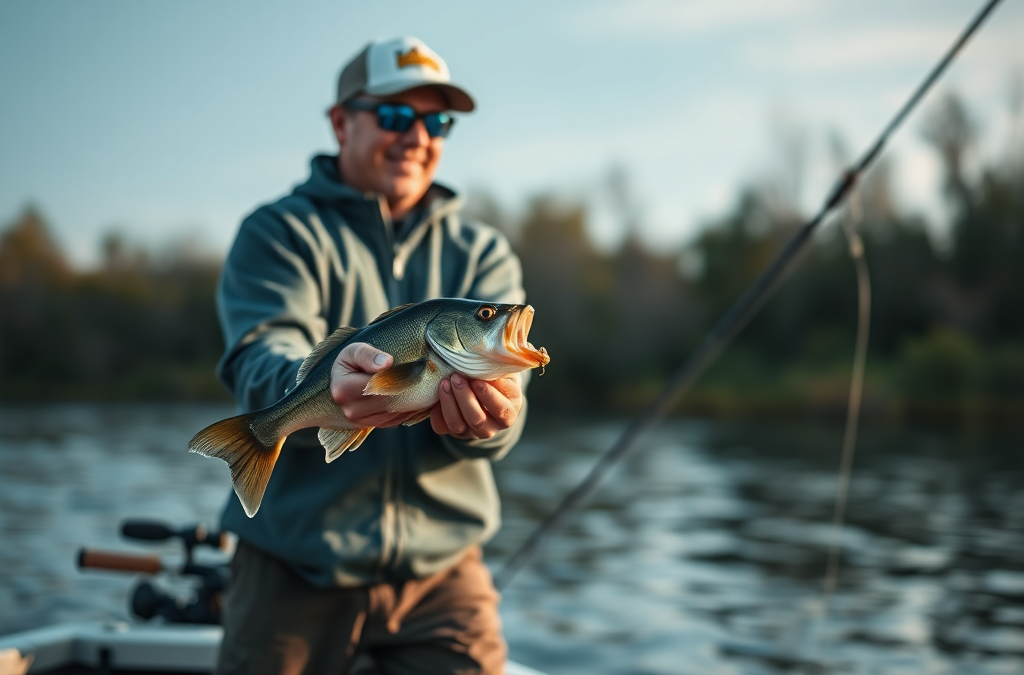
To optimize your tackle for bass fishing, focus on selecting the right rod, reel, line, and lures that match the specific conditions and target species. Consider factors like water clarity, structure, and seasonal patterns to enhance your chances of success. Mistakes often stem from using inappropriate gear or failing to adjust tackle based on environmental conditions, so ensure your setup aligns with the fishing environment for better results.
Choosing the Right Rod and Reel
When optimizing your tackle for bass fishing, selecting the appropriate rod and reel is crucial. The rod should be sensitive enough to detect subtle bites yet sturdy enough to handle larger fish. A medium-heavy rod around 6 to 7 feet in length is often ideal for freshwater bass fishing, as it provides a good balance between strength and sensitivity. Pair this with a quality baitcasting reel that offers a smooth drag system and adequate gear ratio to handle various fishing techniques.

One common mistake anglers make is choosing a rod that is either too heavy or too light for their intended use. For instance, a rod that is too heavy may not provide the sensitivity needed to feel lighter bites, especially when using finesse techniques. Conversely, a rod that is too light may struggle to control larger bass, leading to lost fish. Therefore, understanding the specific requirements of your fishing style and the types of bass you are targeting will guide your selection.
Choosing the Right Rod and Reel matters because it turns optimize your tackle for bass fishing from a broad idea into a decision the reader can actually apply. The practical difference usually shows up in the details: how much is needed, when the choice is made, what tradeoff is acceptable, and what sign shows the approach is working. For technology topics, the strongest advice connects the user goal, system constraint, maintenance burden, and measurable outcome.
A useful way to handle this section is to compare the normal baseline with the situation that creates extra demand. If bass is the baseline concern, then fishing becomes the adjustment point and tackle becomes the outcome to watch. That keeps the advice specific without forcing the reader into a rigid formula that may not fit their routine, budget, tolerance, schedule, or current level of experience.
The most common mistake is changing too many variables at once. A better approach is to choose one measurable adjustment, use it consistently long enough to see a pattern, and then refine the next step based on energy, comfort, performance, safety, or reliability. This makes the guidance easier to trust because the reader can connect the recommendation to what they observe rather than guessing from a generic checklist.
The practical takeaway is to make the section actionable: identify the main constraint, choose the smallest useful change, and compare the result against the goal. When the outcome improves, the reader can keep the approach. When it does not, the next change should target the most likely bottleneck rather than repeating the same step with more effort.
Selecting the Best Line for Bass Fishing
The fishing line is another critical component of your tackle setup. The choice between monofilament, fluorocarbon, and braided lines depends on factors such as water clarity, type of cover, and personal preference. Monofilament is versatile and works well for topwater and floating baits, while fluorocarbon is nearly invisible underwater, making it great for clear water conditions. Braided line offers superior strength and sensitivity, making it ideal for heavy cover situations.
A common pitfall is using the wrong line type for specific conditions. For example, using a heavy braided line in clear water can alert bass to your presence. It’s often advisable to use a fluorocarbon leader with braided line in such scenarios to maintain stealth while benefiting from the strength of the braid. Additionally, consider the line’s pound test—generally, 10-15 lb test is sufficient for most bass fishing, but adjust based on the size of the fish and the structure you’re fishing around.
Selecting the Best Line for Bass Fishing matters because it turns optimize your tackle for bass fishing from a broad idea into a decision the reader can actually apply. The practical difference usually shows up in the details: how much is needed, when the choice is made, what tradeoff is acceptable, and what sign shows the approach is working. For technology topics, the strongest advice connects the user goal, system constraint, maintenance burden, and measurable outcome.
A useful way to handle this section is to compare the normal baseline with the situation that creates extra demand. If line is the baseline concern, then fishing becomes the adjustment point and bass becomes the outcome to watch. That keeps the advice specific without forcing the reader into a rigid formula that may not fit their routine, budget, tolerance, schedule, or current level of experience.
The most common mistake is changing too many variables at once. A better approach is to choose one measurable adjustment, use it consistently long enough to see a pattern, and then refine the next step based on energy, comfort, performance, safety, or reliability. This makes the guidance easier to trust because the reader can connect the recommendation to what they observe rather than guessing from a generic checklist.
Lure Selection Strategies
Choosing the right lures is key to optimizing your tackle for bass fishing. Different lures serve various purposes; for instance, crankbaits are effective for covering water quickly, while plastic worms are great for finesse presentations. Understanding the bass’s feeding habits and the prevailing conditions will help you select the most effective lures.
One effective strategy is to match the hatch, meaning your lure should resemble the natural prey in the area. For example, if the bass are feeding on shad, a shad-colored crankbait or swimbait will likely yield better results. Additionally, seasonal patterns play a significant role in lure selection; during spawning season, bass may be more aggressive and responsive to topwater lures, whereas in colder months, slower-moving baits like jigs may be more effective.
Lure Selection Strategies matters because it turns optimize your tackle for bass fishing from a broad idea into a decision the reader can actually apply. The practical difference usually shows up in the details: how much is needed, when the choice is made, what tradeoff is acceptable, and what sign shows the approach is working. For technology topics, the strongest advice connects the user goal, system constraint, maintenance burden, and measurable outcome.
A useful way to handle this section is to compare the normal baseline with the situation that creates extra demand. If bass is the baseline concern, then lures becomes the adjustment point and effective becomes the outcome to watch. That keeps the advice specific without forcing the reader into a rigid formula that may not fit their routine, budget, tolerance, schedule, or current level of experience.
The most common mistake is changing too many variables at once. A better approach is to choose one measurable adjustment, use it consistently long enough to see a pattern, and then refine the next step based on energy, comfort, performance, safety, or reliability. This makes the guidance easier to trust because the reader can connect the recommendation to what they observe rather than guessing from a generic checklist.
Adjusting Your Tackle for Different Conditions
Environmental conditions such as weather, water temperature, and structure significantly influence how you should optimize your tackle for bass fishing. For instance, on sunny days, bass often seek shade and cover, so using lures that can be fished around submerged structures or vegetation is advisable.
Moreover, adjusting your tackle based on water temperature is essential. In warmer water temperatures, bass tend to be more active and aggressive, allowing for faster retrieves and more reaction-based lures. Conversely, in cooler waters, a slower presentation with finesse lures may be necessary to entice bites. Anglers often overlook these adjustments, which can lead to frustrating fishing days. By being aware of the conditions and adapting your tackle accordingly, you can significantly improve your chances of success.
Adjusting Your Tackle for Different Conditions matters because it turns optimize your tackle for bass fishing from a broad idea into a decision the reader can actually apply. The practical difference usually shows up in the details: how much is needed, when the choice is made, what tradeoff is acceptable, and what sign shows the approach is working. The strongest advice connects the decision, the constraint, the tradeoff, and the signal that shows whether the approach is working.
A useful way to handle this section is to compare the normal baseline with the situation that creates extra demand. If tackle is the baseline concern, then bass becomes the adjustment point and fishing becomes the outcome to watch. That keeps the advice specific without forcing the reader into a rigid formula that may not fit their routine, budget, tolerance, schedule, or current level of experience.
The most common mistake is changing too many variables at once. A better approach is to choose one measurable adjustment, use it consistently long enough to see a pattern, and then refine the next step based on energy, comfort, performance, safety, or reliability. This makes the guidance easier to trust because the reader can connect the recommendation to what they observe rather than guessing from a generic checklist.
Frequently Asked Questions
What type of rod is best for bass fishing?
A medium-heavy rod around 6 to 7 feet in length is typically best for bass fishing, providing a good balance of sensitivity and strength.
How do I choose the right fishing line?
Choose between monofilament, fluorocarbon, or braided lines based on water clarity and fishing conditions; fluorocarbon is ideal for clear water.
What lures should I use for bass fishing?
Use a variety of lures such as crankbaits, plastic worms, and jigs, and match them to the bass's natural prey in the area for best results.
How can I adjust my tackle for weather conditions?
Adapt your tackle based on weather; use lures that can be fished around cover on sunny days and slower presentations in colder temperatures.
What is 'matching the hatch' in fishing?
'Matching the hatch' means selecting lures that resemble the natural prey of bass in your fishing area to increase your chances of success.
Further Reading
Authoritative Sources
- Investor.gov
investor.govSEC investor education resources for evaluating financial products and risk.
- FINRA Investor Insights
finra.orgInvestor education, broker-check tools, and financial decision resources.
- Consumer Financial Protection Bureau
consumerfinance.govConsumer guidance on credit, debt, lending, and financial products.
- Internal Revenue Service
irs.govOfficial tax guidance, forms, and compliance information.
Conclusion
Optimizing your tackle for bass fishing involves careful consideration of your rod, reel, line, and lure choices based on the specific conditions you encounter. By understanding the dynamics of your fishing environment and making necessary adjustments, you can enhance your effectiveness on the water. Pay attention to the nuances of tackle setup, and don’t hesitate to experiment with different combinations to find what works best for you.

