
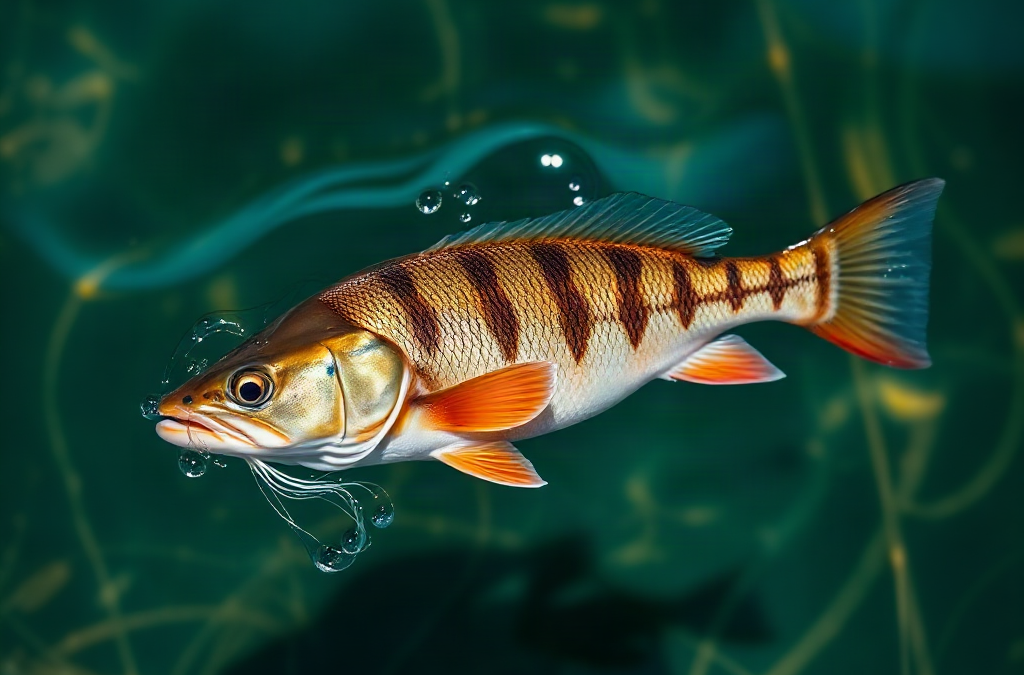
Choose bait for different fishing conditions by matching the local forage, water clarity, temperature, depth, and activity level of the target species. Use natural colors and subtle movement in clear water, stronger contrast or vibration in stained water, and slower presentations when cold water reduces feeding activity. Live bait is useful when fish are selective, while artificial lures let you cover water and adjust speed, depth, or action quickly. Before changing locations, test a different retrieve or bait size; repeated follows, short strikes, or damaged bait often show that fish are present but the presentation needs refinement.
Read the Water Before Selecting Bait
Water clarity, depth, current, and available cover determine whether fish can detect a bait and whether they can inspect it closely. Clear water generally favors realistic profiles, restrained colors, lighter line, and movement that resembles vulnerable prey. Stained water reduces visual range, so contrast, vibration, scent, or displaced water becomes more useful. The goal is not necessarily to use the brightest option available; it is to make the bait detectable without making it look unnatural.

In a clear lake, a translucent soft-plastic minnow, naturally colored crankbait, or live minnow may remain convincing at close range. In muddy runoff, that same subtle offering can disappear beyond a few inches. A dark silhouette, chartreuse accent, rattling plug, spinner blade, or scented bait may give fish a stronger target. Dark colors can be surprisingly visible in dirty water because they create a defined outline against the brighter surface.
Depth changes the decision because light, temperature, and prey position change through the water column. A surface lure is a poor test when sonar, visible baitfish, or repeated bites indicate that fish are holding near the bottom. Use a weighted rig, diving lure, spoon, or jig that remains in the productive zone. In shallow weeds or timber, select a weedless soft plastic, compact jig, or shallow-running bait that can pass through cover without fouling every cast.
Current affects both bait position and behavior. River fish often hold behind rocks, along seams, or near the bottom where they can intercept food without fighting the full flow. Enough weight is needed to reach that lane, but excessive weight makes live bait look fixed and unnatural. Adjust weight until the rig occasionally contacts bottom while continuing to move. For artificial lures, cast across or slightly upstream and control the retrieve so the bait crosses the holding area rather than racing downstream.
A common mistake is changing color repeatedly while ignoring where the bait travels. Depth and position usually deserve attention before minor color differences. When applying how to choose the right bait for different fishing conditions, first identify the likely feeding zone, then select a bait that can reach it cleanly and remain visible enough to be found.
Adjust for Temperature, Weather, and Season
Water temperature influences fish metabolism, prey movement, and the speed at which a bait looks natural. Cold conditions often call for smaller offerings, longer pauses, and controlled movement because many fish will not chase far. Warm water can support faster retrieves and more active searching, although extreme heat may push fish toward deeper, cooler, shaded, or better-oxygenated areas.
Early in a cold season, a slowly worked jig, suspended jerkbait, small worm, or live bait held close to cover may outperform a lure burned through open water. The useful adjustment is not simply “use cold-weather bait.” Slow the presentation enough that a fish can intercept it with limited effort, and keep it near likely holding structure. If the bait repeatedly collects debris because it rests motionless on the bottom, raise it slightly or shorten the pause.
During a warm, windy afternoon, moving water may concentrate insects or baitfish along a windblown bank. A spinnerbait, swimbait, spoon, or crankbait can cover that active feeding zone efficiently. On a calm, bright day, the same fish may retreat beneath docks, vegetation, overhanging branches, or deeper breaks. A compact bait placed accurately into shade may then be more productive than a loud search lure crossing exposed water.
Cloud cover and low light frequently expand the area in which predatory fish roam. Surface plugs and shallow moving baits can become practical when fish are visibly striking near the top. Under strong sun, natural finishes and bottom-oriented presentations may receive more attention. These are working tendencies rather than fixed rules; water color, fishing pressure, species, and local forage can override them.
Seasonal prey size also matters. Young baitfish and newly hatched aquatic life tend to be small, making oversized imitations less convincing when fish are focused on that food. Later, larger profiles may better represent mature forage and offer a worthwhile meal. Do not assume that bigger bait automatically catches bigger fish. A large lure can discourage bites when fish are feeding selectively, while an extremely small bait may be difficult to cast, control, or keep away from unwanted species.
Weather should therefore change presentation before it triggers a complete tackle-box overhaul. Check whether fish have shifted in depth, cover, or feeding intensity. Adjust speed and position first, then size, action, and color. That order preserves useful information: if several variables change at once, a successful cast reveals little about which adjustment actually worked.
Match Local Forage Without Copying It Blindly
Forage matching means reproducing the prey fish are currently able and willing to eat, not creating a perfect visual replica. Size, silhouette, movement, and depth often matter more than exact paint patterns. A lure that resembles the local minnows but runs several feet above feeding fish is less useful than a roughly similar profile presented directly through them.
Look for practical evidence around the water. Small fish flickering near shore, insects falling from vegetation, crayfish shells, frogs in grass, or anglers finding particular prey in a fish’s mouth can narrow the choice. Birds diving offshore may reveal a baitfish concentration. In salt water, shrimp, crabs, sand eels, mullet, and other forage occupy different habitats, so a bait should reflect both the prey and the zone being fished.
Suppose bass are feeding around rocky points where crayfish are common. A brown or green pumpkin jig, tube, or craw-style soft plastic worked along the bottom presents the right shape and behavior. If those fish begin chasing minnows near the surface at dusk, continuing to drag a bottom bait may waste the short feeding window. Switching to a small swimbait, walking plug, or minnow imitation addresses the changed behavior rather than merely changing color.
Exact matching can fail when fish have seen the same profile repeatedly or when the water is too murky for fine detail to matter. A slightly different color, stronger vibration, or erratic action can separate a lure from a dense school of prey. Conversely, an exaggerated lure can repel fish in clear, heavily pressured water. The useful question is whether fish need help finding the bait or reassurance that it belongs there.
Use a compact matching sequence:
- Identify the likely food: Observe visible prey, habitat, season, and feeding activity.
- Match its general size and shape: Begin close to the dominant forage rather than choosing by habit.
- Reach the same depth: Select weight, buoyancy, or diving range for the occupied zone.
- Copy the movement: Crawl a crayfish imitation, drift an insect naturally, or retrieve a minnow bait with appropriate speed.
- Add contrast only when needed: Increase flash, vibration, scent, or color when visibility is poor or fish cannot locate the offering.
This sequence gives how to choose the right bait for different fishing conditions a field-based foundation. It also prevents a frequent error: selecting a familiar bait before observing what the fish are actually pursuing.
Choose Between Live Bait and Artificial Lures
Live bait offers natural scent, texture, and movement, while artificial lures offer control, durability, and efficient water coverage. Neither is universally better. The stronger choice depends on fish activity, regulations, available forage, the need to search, and the angler’s ability to maintain a convincing presentation.

Worms, minnows, leeches, shrimp, cut bait, and insects can be effective when fish are feeding cautiously or holding in a defined area. A live offering placed at the correct depth beneath a float or on a bottom rig can remain available without requiring constant casting. It must stay healthy and secure on the hook, however. A dead minnow spinning unnaturally in current or a worm masking the hook point may reduce hookups even though the bait itself is appropriate.
Artificial lures become valuable when fish are scattered or when different depths must be tested quickly. Crankbaits, spinners, spoons, jigs, plugs, and soft plastics allow deliberate changes in speed, vibration, profile, and running depth. They are also easier to store than live bait. Their limitation is that the angler supplies the action. A lure retrieved too quickly in cold water or allowed to rise above the feeding zone may look active but never become accessible to fish.
A practical comparison is a lake point with no visible activity. A moving lure can search shallow, middle, and deeper contours efficiently. Once several fish are located near a brush pile, live bait or a slower soft plastic may keep the offering in that small strike zone longer. Search baits find willing fish; slower or natural presentations often examine a known location more thoroughly.
Check local fishing rules before obtaining or transporting live bait. Regulations may restrict bait species, collection methods, movement between waters, or live-bait use in particular areas. Never release unused organisms into the water. Artificial options avoid some of those concerns, but lost soft plastics and discarded line still require careful handling.
The common misconception is that live bait removes the need for presentation skill. Hook size, rigging, depth, freshness, and drift remain decisive. Begin with the option that can be presented accurately under current conditions, then judge it by whether it stays healthy or runs correctly, reaches the target zone, and produces committed strikes rather than occasional interest.
Diagnose a Bait That Is Not Producing
A bait can fail because fish cannot find it, will not pursue it, cannot fit it comfortably in their mouths, or are positioned somewhere else. Randomly replacing lures after a few casts confuses these causes. Make controlled adjustments and use fish behavior, line feedback, and the condition of the bait as diagnostic evidence.
Begin by confirming contact with the productive zone. If fish appear on electronics near the bottom but the lure returns immediately after splashdown, add weight or choose a deeper-running design. If hooks constantly collect grass, reduce running depth, use a weedless rig, or work the bait along the vegetation edge. A clean bait in empty water and a fouled bait in cover are equally unproductive.
Follows without strikes suggest that fish can detect the bait but reject some part of its speed, size, action, or appearance. Try a pause, direction change, smaller profile, or subtler color before abandoning the area. Short strikes and nipped tails may indicate that the bait is too large, moving too quickly, or rigged with the hook too far forward. With live bait, verify that it remains lively and is not spinning, tangled, or hiding the hook point.
No visible response demands a different test. Increase vibration or contrast in stained water, vary depth, or use a search lure to cover more territory. If several suitable baits fail across the same zone, relocating is usually more rational than continuing to rotate colors. Fish location sets the ceiling on every bait decision.
Change one major variable at a time and give each test enough casts to cover the intended water. A useful order is depth, retrieve speed, size, action, and color. Record what produced bites, including water clarity, temperature trend, depth, cover, and time of day. The purpose is not to build an inflexible formula; it is to recognize repeatable conditions while remaining alert to new evidence.
Signs that an adjustment is working include firmer strikes, bites arriving in a repeatable depth range, bait damage near the hook, or multiple fish reacting from similar cover. Continued snagging, repeated fouling, exhausted live bait, constant follows without commitment, or no contact with the intended depth show that another change is needed. These observations turn bait selection from guesswork into a manageable process.
Frequently Asked Questions
What bait is best for muddy water?
Use bait that creates a clear silhouette, vibration, scent, or water displacement. Dark soft plastics, rattling plugs, spinner blades, and scented natural bait can be easier for fish to locate than subtle translucent offerings.
Should bait be smaller in cold water?
Smaller bait often works well when cold water slows feeding, but presentation speed matters just as much. Keep the offering near the fish and use pauses or controlled movement that does not demand a long chase.
Is live bait better than artificial bait?
Live bait is useful for selective fish and concentrated locations, while artificial lures cover water faster and provide more control over depth and action. Regulations, target species, and fishing conditions should determine the choice.
How often should I change bait when fish are not biting?
First verify depth, speed, and location. Change one variable after thoroughly covering the likely holding area; constant switching after only a few casts makes it difficult to identify why a presentation failed.
Does bait color matter more than size?
Size and depth commonly matter before fine color differences because they affect whether fish recognize and reach the offering. Color becomes more influential when clarity, light, or fishing pressure changes how easily fish detect and inspect it.
Conclusion
Reliable bait selection begins with observation rather than a favorite lure. Identify the likely forage and feeding depth, account for clarity and current, then choose an offering that reaches fish with an appropriate profile and movement. Temperature and weather should guide retrieve speed and location, while live bait versus artificial lures should be decided by the need for natural presentation or efficient searching.
On the water, test depth and speed before making small color changes. Treat follows, short strikes, fouled hooks, and damaged bait as useful feedback instead of immediate proof that the area is empty. Keep a few contrasting options organized by depth, action, and visibility, check local bait rules, and alter one variable at a time. That disciplined approach makes each cast informative and helps reveal whether the next move should be a presentation change or a new location.

