
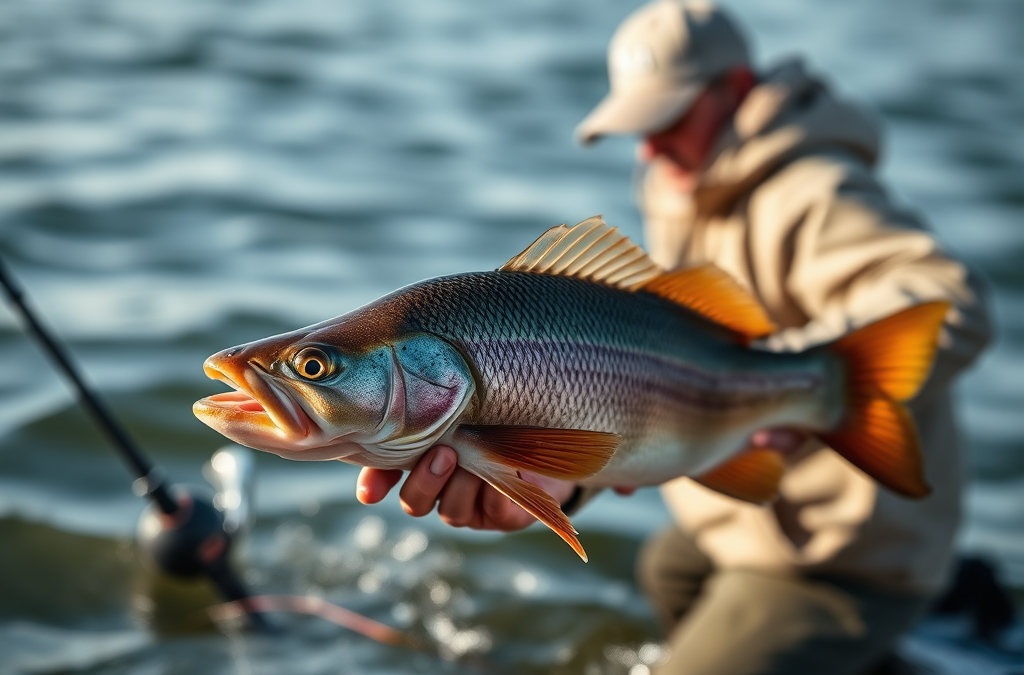
To adapt fishing strategies for different seasons, focus on seasonal fish behavior, water temperature, and bait selection. In spring, fish are more active, so use faster lures. During summer, target deeper waters where fish seek cooler temperatures. In fall, adjust to the changing feeding patterns as fish prepare for winter, and in winter, use slow presentations in deeper areas. Each season requires specific techniques and approaches to maximize success.
Understanding Seasonal Changes in Fish Behavior
Seasonal changes significantly affect fish behavior, influencing their feeding patterns, habitat preferences, and activity levels. During spring, as temperatures rise, fish become more active after the lethargy of winter. In summer, water temperatures peak, often pushing fish to deeper, cooler areas. Fall is a transitional period where fish bulk up for winter, while winter itself forces fish into deeper waters with slower metabolisms and reduced activity.

Understanding these changes is crucial for adapting fishing strategies effectively. For instance, during warmer months, fish may be found in shallower waters during early mornings and late evenings, while they retreat to deeper areas during the hottest part of the day. Adjusting your techniques based on these patterns can significantly improve your chances of success.
Understanding Seasonal Changes in Fish Behavior matters because it turns adapt fishing strategies for different seasons from a broad idea into a decision the reader can actually apply. The practical difference usually shows up in the details: how much is needed, when the choice is made, what tradeoff is acceptable, and what sign shows the approach is working. The strongest advice connects the decision, the constraint, the tradeoff, and the signal that shows whether the approach is working.
A useful way to handle this section is to compare the normal baseline with the situation that creates extra demand. If fish is the baseline concern, then fishing becomes the adjustment point and strategies becomes the outcome to watch. That keeps the advice specific without forcing the reader into a rigid formula that may not fit their routine, budget, tolerance, schedule, or current level of experience.
The most common mistake is changing too many variables at once. A better approach is to choose one measurable adjustment, use it consistently long enough to see a pattern, and then refine the next step based on energy, comfort, performance, safety, or reliability. This makes the guidance easier to trust because the reader can connect the recommendation to what they observe rather than guessing from a generic checklist.
The practical takeaway is to make the section actionable: identify the main constraint, choose the smallest useful change, and compare the result against the goal. When the outcome improves, the reader can keep the approach. When it does not, the next change should target the most likely bottleneck rather than repeating the same step with more effort.
Spring Fishing Strategies: Capitalizing on Active Fish
As temperatures begin to rise in spring, fish emerge from their winter dormancy and become increasingly active. This change is often marked by spawning behavior, particularly in species like bass and trout. To capitalize on this activity, anglers should focus on shallow areas where fish congregate for spawning.
Using faster lures such as spinnerbaits or topwater plugs can be effective during this time. These lures mimic the quick movements of prey, enticing fish that are eager to feed after the long winter. Additionally, targeting structure such as fallen trees or rocks can yield better results, as these areas provide shelter and breeding grounds for fish.
One common mistake in spring fishing is to underestimate the importance of water temperature. Fish are more likely to bite in water temperatures between 55°F and 75°F. Monitoring local water conditions and adjusting your fishing times accordingly can lead to greater success.
Spring Fishing Strategies: Capitalizing on Active Fish matters because it turns adapt fishing strategies for different seasons from a broad idea into a decision the reader can actually apply. The practical difference usually shows up in the details: how much is needed, when the choice is made, what tradeoff is acceptable, and what sign shows the approach is working. For technology topics, the strongest advice connects the user goal, system constraint, maintenance burden, and measurable outcome.
A useful way to handle this section is to compare the normal baseline with the situation that creates extra demand. If fishing is the baseline concern, then fish becomes the adjustment point and strategies becomes the outcome to watch. That keeps the advice specific without forcing the reader into a rigid formula that may not fit their routine, budget, tolerance, schedule, or current level of experience.
Summer Techniques: Fishing in Warmer Waters
In summer, water temperatures can soar, leading fish to seek cooler, deeper waters. During this season, it’s essential to adjust your fishing techniques accordingly. Focus on fishing during the cooler parts of the day, such as early morning or late evening, when fish are more likely to be active.
Using heavier lures that can reach deeper waters is crucial. Techniques such as drop-shotting or using jigs can be particularly effective. Additionally, consider fishing near underwater structures like ledges, drops, or submerged vegetation where fish may seek refuge from the heat.
It’s also important to adapt your bait selection. Live bait, such as worms or minnows, can be effective in summer, as they often attract fish looking for a nutritious meal. Be mindful of the common mistake of fishing too shallow during the heat of the day; deeper waters can yield more success.
Summer Techniques: Fishing in Warmer Waters matters because it turns adapt fishing strategies for different seasons from a broad idea into a decision the reader can actually apply. The practical difference usually shows up in the details: how much is needed, when the choice is made, what tradeoff is acceptable, and what sign shows the approach is working. For nutrition topics, the strongest advice connects portion size, food quality, timing, and recovery instead of treating every meal as a fixed serving.
A useful way to handle this section is to compare the normal baseline with the situation that creates extra demand. If fishing is the baseline concern, then techniques becomes the adjustment point and waters becomes the outcome to watch. That keeps the advice specific without forcing the reader into a rigid formula that may not fit their routine, budget, tolerance, schedule, or current level of experience.
Fall Adjustments: Preparing for Winter
As fall approaches, fish begin to feed aggressively to prepare for the winter months. This is a prime time for anglers to catch larger fish, as they are actively seeking food. During this season, focus on areas where baitfish are abundant, as larger predator fish will be around.
Using larger lures that mimic the size and movement of baitfish can be particularly effective. Techniques such as trolling or casting near schools of bait can yield impressive results. Additionally, be aware of the changing water temperatures; fish will often be found in transitional zones where warm and cold waters mix.
A common pitfall in fall fishing is neglecting to adjust to the shorter daylight hours. Fish may become active earlier in the day, so adjusting your fishing times can lead to better outcomes.

Fall Adjustments: Preparing for Winter matters because it turns adapt fishing strategies for different seasons from a broad idea into a decision the reader can actually apply. The practical difference usually shows up in the details: how much is needed, when the choice is made, what tradeoff is acceptable, and what sign shows the approach is working. For nutrition topics, the strongest advice connects portion size, food quality, timing, and recovery instead of treating every meal as a fixed serving.
A useful way to handle this section is to compare the normal baseline with the situation that creates extra demand. If fishing is the baseline concern, then fish becomes the adjustment point and fall becomes the outcome to watch. That keeps the advice specific without forcing the reader into a rigid formula that may not fit their routine, budget, tolerance, schedule, or current level of experience.
The most common mistake is changing too many variables at once. A better approach is to choose one measurable adjustment, use it consistently long enough to see a pattern, and then refine the next step based on energy, comfort, performance, safety, or reliability. This makes the guidance easier to trust because the reader can connect the recommendation to what they observe rather than guessing from a generic checklist.
Winter Fishing: Techniques for Cold Weather
Winter fishing presents unique challenges, as fish become less active and retreat to deeper waters. However, with the right techniques, anglers can still achieve success during this season. Focus on slow presentations, as fish are less likely to chase fast-moving lures.
Ice fishing is a popular method during winter months, but for open water fishing, using techniques such as vertical jigging can be effective. Fish tend to be suspended in deeper areas, so targeting these depths is crucial. Live bait, like minnows, can also be effective as they provide a natural presentation that entices fish.
It’s important to understand that patience is key during winter fishing. Fish may not bite as aggressively, and it can take time to find the right spot. Avoid the mistake of moving too quickly from spot to spot; sometimes, staying in one area longer can yield better results.
To further enhance your understanding of seasonal fishing strategies, consider reading expert resources on fish behavior and seasonal patterns.
Winter Fishing: Techniques for Cold Weather matters because it turns adapt fishing strategies for different seasons from a broad idea into a decision the reader can actually apply. The practical difference usually shows up in the details: how much is needed, when the choice is made, what tradeoff is acceptable, and what sign shows the approach is working. For technology topics, the strongest advice connects the user goal, system constraint, maintenance burden, and measurable outcome.
A useful way to handle this section is to compare the normal baseline with the situation that creates extra demand. If fishing is the baseline concern, then fish becomes the adjustment point and techniques becomes the outcome to watch. That keeps the advice specific without forcing the reader into a rigid formula that may not fit their routine, budget, tolerance, schedule, or current level of experience.
Further Reading
Authoritative Sources
- Academy of Nutrition and Dietetics
eatright.orgProfessional nutrition guidance, healthy eating resources, and practical dietitian-reviewed advice.
- U.S. Department of Agriculture
usda.govOfficial food, nutrition, agriculture, and consumer guidance from the USDA.
- NIH Office of Dietary Supplements
ods.od.nih.govResearch-based fact sheets on nutrients, supplements, dietary intake, and safety considerations.
- International Society of Sports Nutrition
sportsnutritionsociety.orgEvidence-informed sports nutrition resources and position stands for active people and athletes.

