
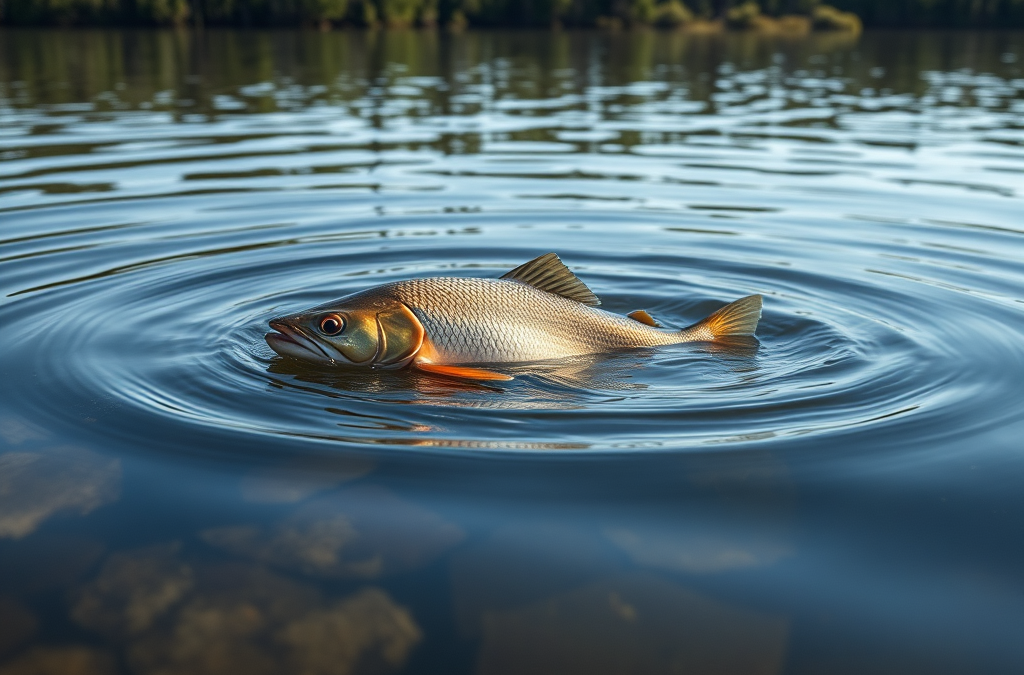
To identify signs of fish activity in a lake, look for surface disturbances like jumping fish, ripples, or swirling water, which indicate feeding behavior. Additionally, observe the presence of birds diving or circling above the water, as this often signals fish are near the surface. Water temperature changes and vegetation movement can also reveal fish activity, guiding your fishing strategy effectively.
Surface Activity: What to Look For
Surface activity is one of the most visible signs of fish presence in a lake. Observing the water for disturbances such as jumping fish or ripples can indicate that fish are feeding. Pay attention to sudden splashes or bubbles, which may suggest that fish are chasing baitfish or insects. Additionally, the time of day can affect surface activity; early mornings and late afternoons are often prime times for fish movement.

Another significant indicator is the presence of birds, particularly diving birds like gulls or terns. When these birds are seen circling or diving into the water, it often means that schools of fish are near the surface. This behavior can help you pinpoint areas with high fish activity, making it easier to choose your fishing spots.
Environmental Indicators of Fish Presence
Understanding environmental conditions can greatly enhance your ability to identify fish activity. Factors such as water temperature, clarity, and the presence of aquatic vegetation all play crucial roles. Fish are more active in certain temperature ranges, typically between 65°F to 75°F. Using a thermometer can help you monitor these conditions effectively.
Water clarity is another essential factor. In clear water, fish may be more cautious, while murky water can encourage more aggressive feeding. Vegetation also influences fish behavior; areas with abundant underwater plants provide cover and breeding grounds, attracting fish. Observing changes in these environmental conditions can guide you to the most productive fishing locations.
Feeding Patterns and Their Impact
Fish feeding patterns can vary based on the time of year, weather conditions, and available food sources. Identifying these patterns is key to enhancing your fishing success. For instance, during the spring, fish often feed more aggressively as they prepare for spawning. In contrast, during hot summer months, fish may become more lethargic and seek cooler, deeper waters.
Additionally, understanding what fish are feeding on can help you choose the right bait. Observing the types of insects or smaller fish present in the water can give you clues about what larger fish are likely to be eating. Matching your bait to the food source can significantly increase your chances of a successful catch.
Using Technology to Monitor Fish Activity
Modern technology has made it easier than ever to monitor fish activity in lakes. Fish finders and sonar devices can provide real-time data about fish locations and movements beneath the surface. These tools can help you identify schools of fish, their depth, and even the types of fish present in the area.
Moreover, mobile apps that track weather patterns, water temperatures, and fishing reports can also assist in predicting fish activity. By combining traditional observation methods with technology, you can enhance your fishing strategy and increase your likelihood of success.
Frequently Asked Questions
What are the best times to observe fish activity in a lake?
The best times to observe fish activity are typically early morning and late afternoon, as fish are more likely to be feeding during these cooler parts of the day.
How does water temperature affect fish activity?
Fish are ectothermic and their activity levels are influenced by water temperature. Most fish species are more active in temperatures between 65°F and 75°F.
What signs indicate fish are feeding?
Signs of feeding fish include surface disturbances like splashes or bubbles, as well as the presence of birds diving into the water, indicating that fish are active near the surface.
Can vegetation affect fish behavior?
Yes, vegetation provides cover and breeding grounds, attracting fish. Areas with abundant plants often indicate higher fish activity.
How can technology assist in identifying fish activity?
Fish finders and sonar devices can help locate fish by providing real-time data on their depth and movements, while apps can track environmental conditions affecting fish behavior.
Further Reading
Authoritative Sources
- Library of Congress Research Guides
guides.loc.govResearch guides that help readers locate reliable background sources on a wide range of subjects
- USA.gov Official Information and Services
usa.govOfficial U.S. government information and public resources for practical reference
- Google Scholar
scholar.google.comAcademic search resource for finding research literature and source material
Conclusion
Identifying signs of fish activity in a lake requires keen observation of surface disturbances, environmental conditions, and understanding fish feeding patterns. By utilizing both traditional methods and modern technology, you can significantly enhance your fishing strategy. Pay attention to the time of day, water temperature, and the presence of birds, and always be prepared to adjust your tactics based on what you observe. These practices will not only improve your fishing success but also deepen your appreciation for the aquatic environment.

