
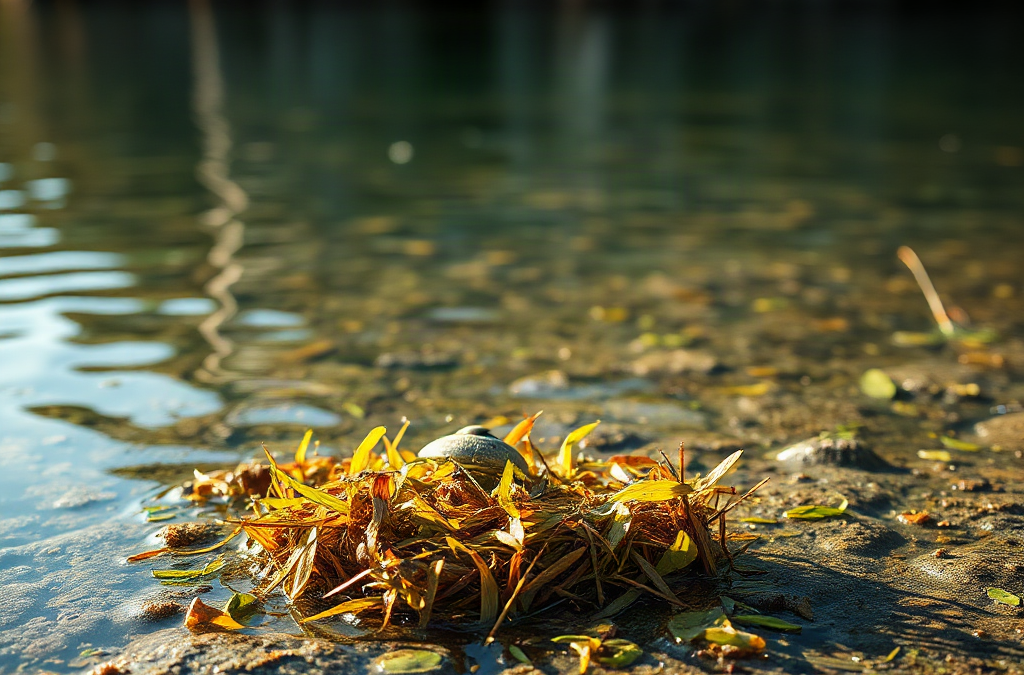
Choose a fishing method for your location by first identifying the water type, reachable structure, target species, depth, current, and available casting space. Shorelines with weeds or submerged cover often suit cast-and-retrieve lures, while deep open water may call for bottom fishing, trolling, or vertical presentations. In moving rivers, position and current control matter more than long casts; in confined streams, drifting bait or flies may be practical. Check local regulations before selecting hooks, bait, or harvest tactics. If you cannot keep the offering in the productive depth zone without repeated snags or poor control, change the method rather than merely changing the lure.
What you’ll learn
This guide covers the following practical points:
- Read the Water Before Choosing a Technique — A productive technique begins with a physical reading of the location.
- Match the Method to Structure and Fish Position — Structure determines where a presentation must travel and how much snag resistance it needs.
- Account for Shore, Boat, Weather, and Current Constraints — Access can rule out a method even when the habitat appears ideal.
- Use a Location-Based Method Checklist — A short elimination process prevents unnecessary tackle changes.
Read the Water Before Choosing a Technique
A productive technique begins with a physical reading of the location. Classify the water as a small stream, river, pond, reservoir, natural lake, estuary, surf zone, or offshore area. That classification narrows the sensible choices because each environment controls depth, current, casting room, bottom contact, and the way food reaches fish.
Current is the first dividing line. In still water, an angler can hold a lure at a chosen depth, retrieve it through cover, or suspend bait under a float. In flowing water, the current moves the presentation even when the angler does nothing. River methods therefore need enough weight or line control to keep the bait near a current seam, eddy, pool, or bottom transition without making it look unnaturally fixed. A light drift can work through a modest run, while a heavier bottom rig may be needed below a deep, fast bend.
Depth creates a second division. Shallow flats, weed edges, and visible shoreline cover are usually easier to search with moving lures, floats, flies, or lightly weighted bait. Deep basins and channels often require a method that reaches and remains in the strike zone, such as vertical jigging, trolling, or bottom fishing. A lure that looks appealing near the surface is irrelevant when the fish are holding close to a ledge several yards below it.
Water clarity affects how fish locate an offering. Clear water often rewards restrained presentations, longer casts, natural colors, or thinner leaders where appropriate. Stained water may favor vibration, silhouette, scent, or a slower pass close to cover. These are starting points rather than fixed rules; light level, forage, and fishing pressure can change the response.

Spend several minutes observing before rigging. Look for current breaks, depth changes, weed boundaries, baitfish, insect activity, birds feeding over the water, and safe casting lanes. The common mistake is choosing a favorite method first and trying to force it onto the location. A better approach is to let the water eliminate techniques that cannot reach, track through, or remain in the likely feeding area.
Match the Method to Structure and Fish Position
Structure determines where a presentation must travel and how much snag resistance it needs. Docks, fallen trees, rock piles, weed beds, channel edges, bridge pilings, and drop-offs all concentrate fish differently. Choosing between casting, drifting, trolling, floating bait, bottom fishing, and vertical jigging becomes easier once you identify the structure you can actually reach.
Consider a shallow pond with vegetation extending several feet from shore. A bottom rig may settle into weeds and disappear, while an exposed treble-hook lure may collect grass on every cast. A weed-resistant soft plastic, shallow-running single-hook lure, or bait suspended above the vegetation offers better control. The useful method is not automatically the one with the greatest casting distance; it is the one that spends the most time moving cleanly through fishable water.
Rocky points create a different problem. Fish may hold along the slope rather than directly on top. Casting across the point with a sinking lure can cover several depths, but the retrieve must be adjusted to avoid wedging into rocks. From a boat, a controlled drift or vertical presentation may hold the offering near the break more consistently. From shore, casting at an angle along the depth contour is often more productive than throwing straight into the deepest water.
Fish position also changes through the day and season. Predators may move onto shallow cover during low light and retreat toward shade, current, or deeper edges under bright conditions. Insect-feeding fish may rise near the surface during an active hatch but ignore surface offerings when that activity stops. The location remains the same, yet the effective method changes because the strike zone has moved.
When deciding how to choose the right fishing method for your location, separate habitat from species preference. Knowing the target species helps, but habitat tells you where and how to present. A bass near a shallow laydown may call for a precise, snag-resistant cast; the same species suspended over deep open water may be better approached by trolling or vertical jigging.
A frequent failure is selecting tackle strong enough for the fish but poorly suited to the cover. Light line can provide subtle presentation in open water, yet it leaves little margin around barnacles, timber, or dense plants. Heavier tackle improves control but may reduce casting distance or finesse. Match the system to both the fish and the obstacles between the strike and the landing point.
Account for Shore, Boat, Weather, and Current Constraints
Access can rule out a method even when the habitat appears ideal. Shore anglers must work with fixed casting angles, limited mobility, bank vegetation, other users, and the depth they can reach. Boat and kayak anglers gain access to offshore structure but must manage wind, drift, navigation, and safe positioning. The best theoretical technique has little value if the platform cannot execute it accurately.
From a crowded or brush-lined bank, repeated overhead casting may be unsafe or impossible. Short sidearm casts, underhand pitches, float rigs, or compact single-hook lures can provide greater control. On an open beach, distance and wave action become more influential. A rig needs enough weight to hold or move predictably in the surf, and tackle must tolerate salt, sand, and stronger currents. Local rules may also restrict bait collection, hook configurations, seasons, or fishing areas, so check the responsible fish and wildlife or marine agency before fishing.
Wind changes both presentation and detection. A moderate breeze may push food and warmer surface water toward a bank, but it can also bow the line, accelerate a float, and make light lures difficult to control. Casting with or across the wind is usually more manageable than casting directly into it. From a small boat, wind may turn a slow vertical presentation into a fast drift across the bottom. A drift sock, anchor used in suitable conditions, controlled motor positioning, or a switch to a faster searching method may restore control.
Current demands similar judgment. More weight is not always the answer: excessive weight can pin bait below active fish or increase snagging. First change the casting angle, line diameter, or starting position. Casting upstream and allowing a controlled drift can look natural, while casting across strong current may produce a broad line belly that lifts the rig away from the target seam.
Safety remains a method constraint rather than a separate concern. Wading may provide the perfect angle in a gentle stream but become unacceptable around sudden drop-offs, cold water, unstable rocks, boat traffic, or rising flow. Offshore trolling requires different preparation and navigation capability than fishing a protected shoreline. Never choose a technique that requires footing, range, or vessel control beyond the conditions and your experience.
The common assumption that boats make every method available is misleading. A boat can improve access while complicating quiet positioning and depth control. Shore fishing can be more precise where fish hold tight to banks, docks, or inflows. Choose the platform-specific method that you can repeat safely and accurately, not the one that merely covers the largest area.
Use a Location-Based Method Checklist
A short elimination process prevents unnecessary tackle changes. The aim is to select one primary method and one practical alternative before fishing, then adjust only when observations justify it. This keeps the decision tied to location evidence rather than lure preference.

- Confirm legal options. Check the local license, season, area, bait, hook, size, and harvest requirements that apply to the water.
- Identify reachable fish-holding zones. Mark cover, current seams, shade, drop-offs, vegetation edges, channels, or surf troughs you can approach safely.
- Estimate the strike depth. Use visible activity, water temperature patterns, bottom contours, or sonar where available to choose surface, midwater, or bottom contact.
- Select a delivery method. Decide whether casting, drifting, trolling, floating, bottom fishing, fly presentation, or vertical jigging offers the cleanest path through that zone.
- Choose tackle for control. Match rod length, line, weight, hook style, and snag resistance to the casting room, current, cover, and expected fish.
- Set a change trigger. Decide how many controlled passes or how much time you will give the method before changing depth, angle, speed, or location.
Suppose you reach a reservoir bank with a gradual gravel point, moderate wind, and no visible surface activity. The reachable habitat extends from shallow water into a deeper edge. A sinking lure cast diagonally across the point can search several depth bands, making it a stronger opening choice than a fixed shallow float. If repeated casts contact weeds rather than gravel, a lighter lure or higher retrieve may be the next adjustment. If the point drops beyond casting range, relocating may be more useful than continually increasing lure weight.
At a small stream, the checklist may produce the opposite choice. Limited backcasting room, clear water, and short pools favor quiet approaches and compact presentations. A lightly weighted bait, small lure, or short controlled fly drift can work without crossing every current lane. Long casts may reduce accuracy and cause drag, even though they feel less likely to disturb fish.
Budget should influence complexity, not basic effectiveness. Shore casting and bait fishing can cover many public waters with a modest rod-and-reel combination. Trolling and offshore techniques may require a boat, depth information, specialized weights, and additional safety equipment. Anglers comparing how to choose the right fishing method for your location should treat equipment already owned, transport, setup time, and recurring bait costs as genuine constraints.
The checklist fails when every step is treated as a reason to add more gear. Its purpose is subtraction. Remove unsafe, illegal, unreachable, and poorly controlled options first. The remaining method should let you cover the highest-probability water with consistent depth and presentation.
Recognize When the Method Is Failing
A method is failing when it cannot repeatedly enter the probable strike zone with useful control. Lack of bites alone is weak evidence because inactive fish, poor timing, or an empty location can produce the same result. Pay closer attention to depth contact, drift speed, snag rate, lure tracking, line angle, and whether observed fish respond.
Signs of a mechanical mismatch include constant weed fouling, a float racing through the area faster than natural food, a bottom rig rolling out of position, or a lure running above fish visible on sonar. Correct the failure in a logical order: change casting angle or boat position first, then depth and weight, followed by speed, presentation size, and finally the entire method. This sequence preserves useful information. Changing the lure, location, depth, and retrieve simultaneously makes it impossible to know what improved or worsened the presentation.
A working method produces repeatable contact with the intended water even before it catches fish. You may feel the lure touch the edge of gravel without becoming wedged, watch a float travel along a seam without dragging, or see the presentation remain near suspended marks on a depth finder. Follows, missed strikes, bait loss, or brief taps suggest that fish are present and may justify a smaller adjustment rather than a full switch.
Contrast that with fishing a snag-filled river bend using a lightweight bottom rig. If the current sweeps the rig into wood on every cast, replacing the bait will not solve the location-method mismatch. Moving upstream to change the line angle, increasing weight modestly, using a more snag-resistant rig, or drifting above the obstruction addresses the mechanism causing failure.
Do not confuse persistence with good coverage. Twenty casts through the same unproductive path provide less information than controlled passes at several depths or angles. Establish a test period based on the size of the area and speed of the presentation. Fast-moving lures can sample a shoreline quickly; stationary bait needs more time, especially when scent dispersal or fish movement is part of the method.
Record the water level, wind direction, clarity, productive depth, structure, and technique after the trip. These location-specific notes are more valuable than a simple list of catches. They reveal which methods maintained control under particular conditions and help refine how to choose the right fishing method for your location on future visits.
Frequently Asked Questions
Which fishing method is easiest for a beginner?
Float fishing or simple cast-and-retrieve fishing is often manageable because depth and lure movement are easy to observe. The better choice depends on whether local fish are near cover, suspended, or feeding on the bottom.
Should I choose the species or the location first?
Choose a water body that legally holds the target species, then let its depth, structure, current, and access determine the presentation. Species preference alone does not show whether fish are shallow, deep, or reachable.
When is bottom fishing the right method?
Bottom fishing suits locations where fish feed near the bed and a rig can hold position without excessive snagging. It is less effective when vegetation covers the bottom or fish are suspended higher in the water.
How long should I try one method before switching?
Give it enough controlled attempts to cover the likely depth and structure. Switch sooner if the rig repeatedly fouls, drifts out of position, cannot reach the target, or creates a safety problem.
Do local fishing regulations affect method choice?
Yes. Rules may limit bait, hook types, seasons, fishing zones, tackle, or harvest. Verify the current requirements with the agency responsible for the specific freshwater or marine location.
Conclusion
Location should narrow the technique before tackle preference enters the decision. Read current, depth, clarity, structure, fish position, casting room, and access, then remove methods that cannot be performed legally, safely, or with consistent control. Select a presentation that can travel through the likely strike zone without constant fouling, uncontrolled drift, or unnecessary disturbance.
Begin with one primary approach and one backup that reaches the habitat differently. Test casting angle, depth, weight, and speed before replacing the entire setup. On the water, judge the method by repeatable contact with productive structure—not merely by the number of early bites. Afterward, note the conditions and presentation that worked. Those records turn each visit into location-specific evidence and make the next method choice faster, simpler, and more reliable.

